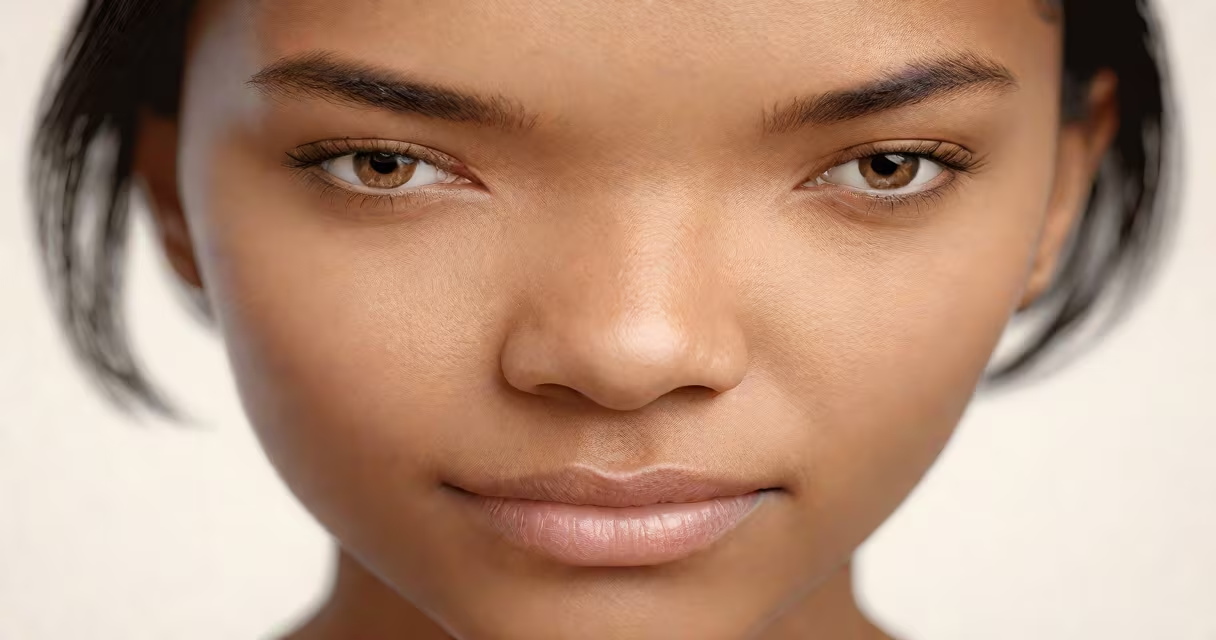
A picture of person is a visual representation of an individual's face and upper body, typically captured using a camera or digital imaging device. It serves as a primary tool for personal identification, especially in official documents, digital profiles, and forensic contexts.
These images are generated through photographic or digital capture methods. A standard picture of person includes clear facial features, consistent lighting, and minimal background clutter. The image may be printed or stored electronically, often with metadata such as date, location, and resolution.
According to the International Civil Aviation Organization (ICAO), biometric passport photos must meet strict criteria: frontal view, neutral expression, closed mouth, eyes open, and no hats or glasses. These standards ensure accurate identification across borders.
When a camera captures a picture of person, light reflects off the subject's face and passes through a lens onto a sensor. The sensor converts optical signals into digital data-pixels arranged in a grid. Each pixel holds color and brightness values, forming a composite image.
Image processing software then enhances contrast, adjusts exposure, and removes minor flaws like red-eye or blur. For identity purposes, algorithms analyze facial landmarks-distance between eyes, nose width, jawline shape-to create a unique biometric template.
The resulting picture of person can be verified against databases. For example, U.S. Customs and Border Protection uses facial recognition systems to match a traveler's live image with their stored picture of person from a passport or visa application.
Images vary based on purpose and context. Common types include:
| Type | Purpose | Standard Size | Key Requirements |
|---|---|---|---|
| Passport photo | Official travel document | 2x2 inches (51x51 mm) | Plain background, front-facing, no shadows |
| Professional headshot | Career profiles, websites | 800x800 pixels minimum | High resolution, natural lighting, professional attire |
| Selfie | Social media, app registration | Variable, often 640x640 px | Personal, informal, may include background |
| Forensic image | Law enforcement, missing persons | High-resolution scan | Minimal distortion, multiple angles if available |
Each format enforces specific rules. For instance, a passport photo must show the full face, with no obstructions. A selfie, by contrast, may include a casual background and informal pose.
People often assume that any photo of someone qualifies as a "picture of person" for official use. This is incorrect. A blurry, poorly lit, or angled image fails to meet identity verification standards.
Another misconception is that a picture of person must show the entire body. In reality, most identity applications require only the head and shoulders. Full-body shots are rare except in specialized contexts like military ID or athletic recruitment.
A picture of person is not synonymous with a video or animated avatar. While both represent individuals visually, only static images are accepted in formal identification processes due to consistency and reliability.
In 2022, the U.S. Department of State reported that over 9 million passport applications were rejected due to non-compliant pictures of person-most commonly because of poor lighting, smiling faces, or background clutter.
For example, a woman applying for a U.S. visa submitted a photo taken in dim indoor lighting. Her eyes appeared closed in the image, violating ICAO guidelines. The application was denied until she resubmitted a properly lit, front-facing picture of person.
Similarly, in criminal investigations, law enforcement relies on picture of person evidence. In 2019, the FBI used facial recognition to identify a suspect in a bank robbery by matching a grainy surveillance still to a known individual's stored picture of person from a driver's license database.
I once assisted a friend in renewing her passport. She had taken a selfie with her phone, cropped it tightly around her face, and uploaded it. The system flagged it as invalid-her chin was partially cut off, and the background included a bookshelf. After retaking the photo under proper conditions, the renewal processed in 48 hours.
Some confuse a picture of person with a sketch or drawing. While both depict individuals, only photographic or digital images qualify as a picture of person in legal and technical contexts. Drawings lack the precision needed for biometric matching.
Another correction: a picture of person is not automatically public. Privacy laws like GDPR and CCPA restrict how organizations store, share, or use such images. Even if a photo is posted online, it remains protected under data rights unless consent is given.
Finally, a picture of person is not always accurate. Facial recognition systems have shown higher error rates for women and people of color. A 2018 study by MIT Media Lab found that commercial facial recognition tools misidentified darker-skinned women up to 35% of the time-far higher than for lighter-skinned men.
As digital identity grows, so does the importance of accurate, compliant pictures of person. They are not just images-they are gateways to access, trust, and legal recognition.
Every time you submit a picture of person for a government form, a job application, or a social platform, you're engaging with a system built on consistency, clarity, and verification. The right image ensures your identity is recognized-not questioned.