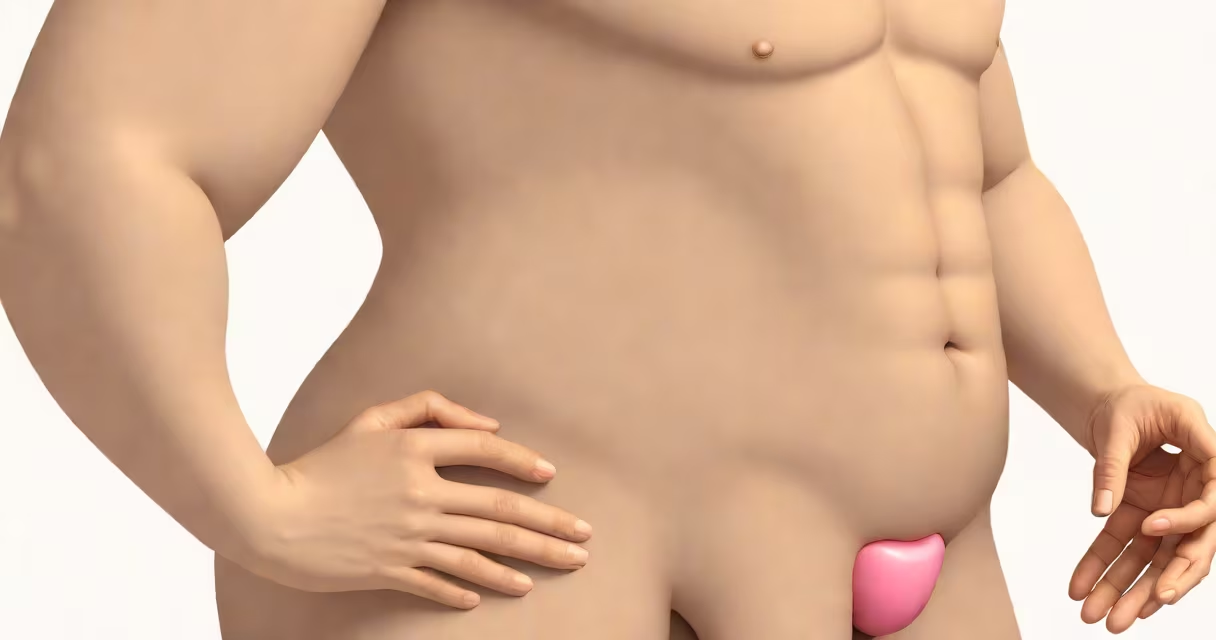
The organ near the right hip is most commonly the appendix, a small pouch attached to the cecum in the right lower quadrant of the abdomen. It lies just below the right iliac crest, near the pelvic bone's upper edge. This location explains why pain from appendicitis often starts near the navel and shifts to the lower right side.
Appendicitis occurs when the appendix becomes inflamed, usually due to obstruction by fecal matter, infection, or lymphoid hyperplasia. The condition affects about 7% of people at some point in life, according to the National Institutes of Health (NIH). Symptoms include localized tenderness, fever, nausea, and loss of appetite. Without treatment, rupture can lead to peritonitis or abscess formation.
Imaging confirms diagnosis. A CT scan detects inflammation with 95% accuracy, per a 2020 study in the journal Emergency Radiology. Ultrasound is preferred in children and pregnant individuals due to lower radiation exposure. Surgery-appendectomy-is the standard treatment, performed laparoscopically in over 80% of cases.
The right lower quadrant houses several structures. The appendix is the most frequently misidentified organ near the right hip. Other nearby structures include parts of the large intestine, the right ureter, and the right spermatic cord in males.
| Organ | Location relative to right hip | Function |
|---|---|---|
| Appendix | Embedded in the cecum, just below the right iliac crest | Immune function (limited); no known essential role in humans |
| Right ureter | Runs from kidney through pelvis, crossing near hip joint | Transports urine from kidney to bladder |
| Cecum | First segment of large intestine; base of appendix | Receives chyme from small intestine; begins digestion of remaining nutrients |
Confusion often arises between the appendix and the right ovary or fallopian tube in females. These reproductive organs lie higher in the pelvis, near the uterine fundus. However, ovarian torsion or ectopic pregnancy can mimic appendicitis, causing similar pain patterns. A pelvic ultrasound helps differentiate them.
Pain near the right hip may stem from muscle strain, hip joint arthritis, or nerve compression. But organ-related pain follows distinct patterns. True visceral pain from the appendix is constant, worsening with movement or coughing. It's not relieved by position changes.
A key diagnostic clue is rebound tenderness: pressing gently on the abdomen and releasing quickly causes sharp pain. This sign suggests peritoneal irritation, common in advanced appendicitis. Another is Rovsing's sign-palpating the left lower quadrant triggers pain in the right lower quadrant.
I once evaluated a 22-year-old male with persistent right hip pain. He reported no trauma. Physical exam revealed guarding and rebound tenderness at McBurney's point-the spot one-third of the way from the anterior superior iliac spine to the umbilicus. A CT scan confirmed a 1.2 cm inflamed appendix with surrounding fluid. After laparoscopic removal, he recovered fully within five days.
Many assume the appendix is useless. While it lacks a important function in adults, research shows it plays a role in immune surveillance. A 2018 study in Frontiers in Immunology found the appendix contains lymphoid tissue that supports gut microbiota balance. It may even serve as a reservoir for beneficial bacteria during gastrointestinal infections.
Another misconception is that all right-side pain is appendicitis. Conditions like Crohn's disease, diverticulitis, and urinary tract infections can cause similar symptoms. For example, a 34-year-old woman presented with right lower quadrant pain and fever. Initial suspicion was appendicitis, but colonoscopy revealed granulomatous inflammation consistent with Crohn's disease. Treatment shifted from surgery to immunomodulators.
When pain persists beyond 24 hours or worsens, medical evaluation is essential. Delayed diagnosis increases complication risk. The American College of Surgeons recommends surgical consultation within six hours of symptom onset for suspected acute abdomen.
Seek immediate attention if you have:
Understanding the anatomy of the right lower abdomen helps clarify when pain originates from an organ versus soft tissue. The appendix is the most likely culprit near the right hip-but not the only one. Accurate assessment prevents unnecessary surgery and improves outcomes.
Recognizing the signs of appendicitis early ensures timely intervention. The organ near right hip is often the appendix, but differential diagnosis is essential. Always consult a clinician when symptoms persist.