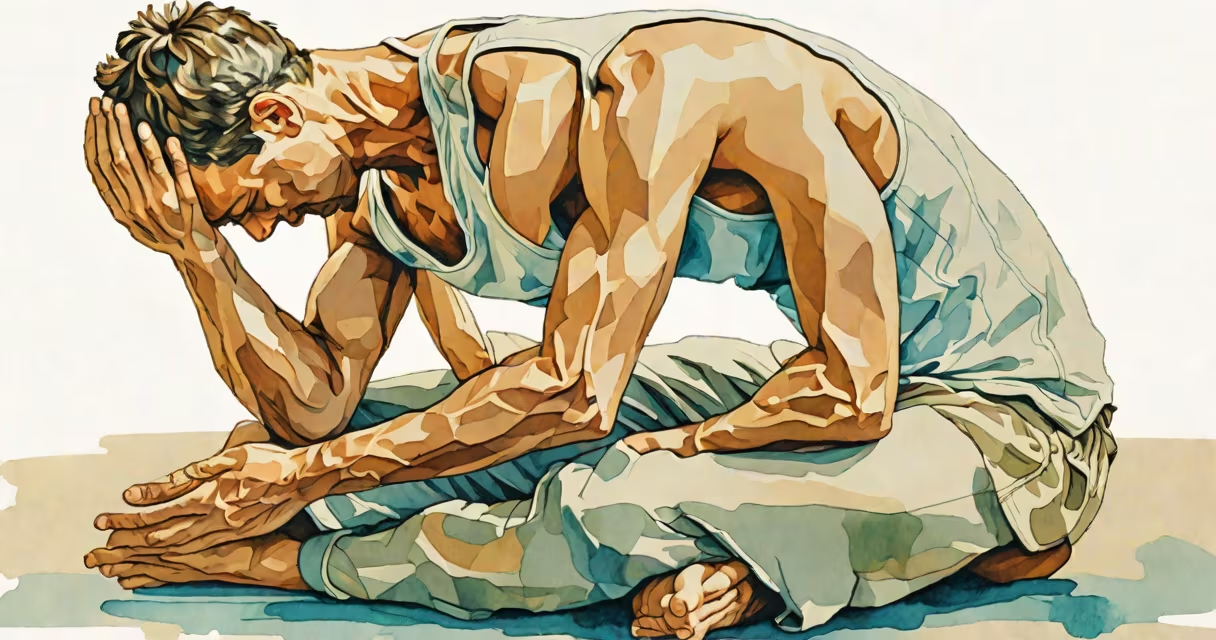
Neck pain when exercising occurs when physical activity stresses the cervical spine, neck muscles, or surrounding soft tissues due to improper form, overuse, or underlying biomechanical issues. It commonly arises during weightlifting, yoga, running, or resistance training.
Exercise-induced neck pain typically results from muscle fatigue, joint compression, or nerve irritation. The neck supports the head's weight-about 10-12 pounds-and acts as a pivot for movement. When exercises demand excessive range of motion or static holds, especially with poor posture, the muscles and joints in the neck become vulnerable to strain.
A 2021 study published in Spine Journal found that 34% of adults who exercised regularly reported musculoskeletal neck symptoms, with 62% attributing them to incorrect technique during strength or flexibility routines. This aligns with clinical observations from the American Physical Therapy Association, which notes that improper positioning during push-ups, overhead presses, or planks frequently leads to cervical strain.
The cervical spine consists of seven vertebrae, supported by ligaments, tendons, and deep stabilizing muscles. During exercise, sudden movements or sustained tension disrupts normal load distribution. For example, holding the head forward during a bench press increases pressure on the C5-C6 discs by up to 30%, according to biomechanical modeling from the University of Pittsburgh's Department of Bioengineering.
Overuse is another common trigger. Repetitive motions like cycling with a dropped head or doing high-repetition chin-ups can fatigue the sternocleidomastoid and scalene muscles. These muscles stabilize the neck but tire quickly under prolonged stress, leading to spasms and localized pain.
Joint dysfunction also plays a role. Restricted mobility in the upper cervical joints (C1-C2) limits the neck's ability to absorb shock during changing movements. A 2019 review in Manual Therapy linked reduced cervical rotation to increased risk of exercise-related neck strain, particularly in athletes performing rotational drills.
Neck pain during exercise varies by activity and individual anatomy. Below are the most frequent triggers:
| Activity | Primary Cause | Typical Pain Pattern |
|---|---|---|
| Overhead pressing (barbell/dumbbell) | Excessive forward head posture | Dull ache at base of skull, radiates to temples |
| Yoga (chaturanga, downward dog) | Hyperextension of cervical spine | Burning sensation along posterior neck, stiffness |
| Cycling (long rides) | Prolonged flexion with handlebar reach | Sharp pain between shoulder blades, tightness in trapezius |
| Running (especially uphill) | Head bobbing and poor core engagement | Intermittent twinges at neck base, worsens with stride |
One overlooked factor is breath control. Holding your breath during heavy lifts increases intra-abdominal pressure, which indirectly raises intracranial pressure and strains neck vessels and nerves. A 2020 study in Journal of Strength and Conditioning Research showed that participants who practiced controlled breathing during squats had 41% less incidence of neck discomfort compared to those who held their breath.
People often confuse exercise-related neck pain with migraines or nerve entrapment. Migraine pain typically begins behind the eye and spreads across the forehead, while neck strain pain is localized to the back or sides of the neck. Neck strain rarely involves nausea or visual disturbances-hallmarks of migraines.
Another misdiagnosis is thoracic outlet syndrome (TOS), where compressed nerves between the collarbone and first rib cause tingling in the arm. While TOS can mimic neck pain, it usually presents with numbness in the ring and little fingers, not isolated neck soreness. If pain extends into the hand or forearm, consult a specialist.
A key distinction: exercise-induced neck pain resolves within 24-48 hours with rest and gentle mobility work. Persistent pain beyond that window may indicate structural issues such as disc bulges or facet joint arthritis-conditions requiring imaging and professional evaluation.
I observed this firsthand during a gym assessment. A 34-year-old male client experienced sharp neck pain during barbell overhead presses. He was using a wide grip, arching his lower back excessively, and jutting his chin forward. His head position placed the cervical spine in extension, compressing the C5-C6 facet joints.
After correcting his stance-feet shoulder-width apart, core braced, head aligned with spine-the pain disappeared. We then added scapular retraction drills and reduced the load by 20%. Within three sessions, he completed the movement without discomfort.
This case illustrates that form correction, not avoidance, is the solution. Avoiding overhead pressing entirely risks losing functional strength and increasing shoulder vulnerability later.
Consult a healthcare provider if neck pain persists beyond 72 hours, worsens with movement, or includes neurological symptoms like weakness, numbness, or dizziness. These signs may indicate spinal cord compression or vertebral artery involvement-rare but serious conditions.
Neck pain when exercising is preventable through awareness of posture, load management, and movement quality. Addressing root causes early avoids long-term dysfunction and supports sustainable fitness progress.