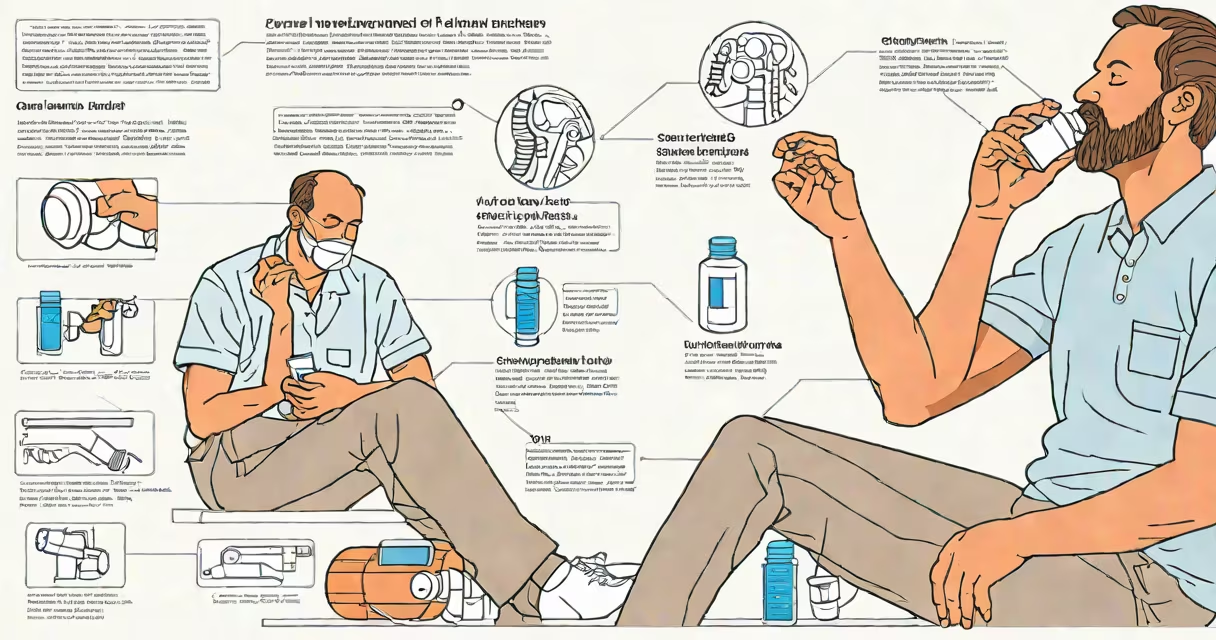
COPD exacerbation refers to a sudden worsening of breathing symptoms beyond normal daily variation, often triggered by infection or environmental irritants. These episodes require prompt medical attention to prevent hospitalization or respiratory failure.
Exacerbations occur when airway inflammation increases, mucus production spikes, and lung function declines rapidly. They are not part of typical COPD progression but represent acute events that disrupt daily life and increase mortality risk. According to the Global Initiative for Chronic Obstructive Lung Disease (GOLD), about 60% of COPD patients experience at least one moderate-to-severe exacerbation annually.
Early recognition of symptoms improves outcomes. Delayed treatment correlates with longer recovery times and higher rates of hospital admission. The American Thoracic Society notes that early intervention reduces the risk of death by 30% compared to delayed care.
Symptoms arise from increased airway resistance and reduced gas exchange. During an exacerbation, bronchial constriction worsens, mucus plugs form, and alveolar damage accelerates. This leads to hypoxia and hypercapnia-low oxygen and high carbon dioxide levels in the blood.
The body responds with increased respiratory effort. Patients breathe faster and deeper, often using accessory muscles like the neck and chest wall. This creates visible signs such as flaring nostrils, retractions under the ribs, and fatigue during speech.
These changes trigger a cascade: reduced oxygen delivery impairs organ function, especially in the brain and heart. Confusion, dizziness, and palpitations may appear. Without treatment, respiratory acidosis develops, which can lead to coma or cardiac arrest.
Common indicators include:
A 2022 study published in Respiratory Research found that 87% of patients reported increased dyspnea as their first symptom during an exacerbation. Sputum changes were noted in 73%, and fatigue in 61%. These patterns align with clinical guidelines from the National Heart, Lung, and Blood Institute (NHLBI).
Not all exacerbations involve infection. Air pollution, cold weather, or allergens can trigger inflammation without pathogens. A patient with stable COPD may develop symptoms within hours of exposure to high PM2.5 levels, even without fever or chills.
Exacerbations are classified by severity and cause. Mild cases may resolve with home treatment. Moderate to severe episodes require emergency care or hospitalization.
| Type | Trigger | Typical Symptoms | Management Level |
|---|---|---|---|
| Mild | Environmental irritants, mild viral infection | Increased breathlessness, slight sputum change | Home treatment with rescue inhaler |
| Moderate | Bacterial infection, smoke exposure | Wheezing, fever, significant sputum increase | Emergency room visit, steroids, antibiotics |
| Severe | Pneumonia, heart failure, high pollutant exposure | Cyanosis, confusion, inability to speak in full sentences | Hospitalization, oxygen therapy, possible intubation |
One non-obvious fact: up to 30% of exacerbations occur without fever, even when bacterial infection is present. This challenges the assumption that fever equals infection. The NHLBI warns against relying solely on temperature to assess severity.
Another common mistake is confusing exacerbation with a COPD flare-up. While both involve worsening symptoms, exacerbation specifically implies a measurable decline in lung function confirmed by spirometry or clinical assessment. A flare-up may be subjective and not meet diagnostic thresholds.
John, a 68-year-old man with stage 3 COPD, woke up with increased shortness of breath. He had been using his albuterol inhaler twice daily for the past week, but now needed it every hour. His sputum turned yellow and thick. He felt too weak to walk to the bathroom.
He called his pulmonologist. The provider asked about recent illness, travel, or exposure. John reported no fever but admitted he'd been near construction dust the previous day. The doctor advised immediate evaluation.
At the clinic, John's oxygen saturation dropped to 88% on room air. Arterial blood gas showed elevated CO₂. He was prescribed oral prednisone and azithromycin. Within 48 hours, his breathing improved, and he returned to baseline activity.
This case illustrates that symptom change-not just intensity-is key. Even without fever, rapid onset of breathlessness and sputum change signaled a true exacerbation requiring action.
Go to the emergency department if:
These signs indicate respiratory failure. The American College of Chest Physicians states that patients who delay care by more than 24 hours have double the risk of ICU admission.
One personal observation: during a community health screening, a woman with COPD described her usual breathing as "like walking through mud." She reported feeling "worse than usual" for two days. Her oxygen level was 84%. She was admitted and stabilized with non-invasive ventilation. Early recognition prevented a fatal outcome.
COPD exacerbation is often mistaken for pneumonia or heart failure. All three conditions share overlapping symptoms: shortness of breath, cough, fatigue. But each requires different treatment.
Pneumonia typically presents with fever, chills, and localized chest pain. Heart failure causes leg swelling and orthopnea (difficulty lying flat). COPD exacerbation lacks these features unless comorbidities exist.
Patients sometimes confuse worsening symptoms with aging. A 72-year-old man told his doctor, "I've always been out of breath." But his FEV1 dropped 35% over six months-a clear sign of exacerbation, not normal decline. Spirometry confirmed the change.
Understanding symptoms of COPD exacerbation enables earlier intervention and better outcomes. Key signs include increased breathlessness, sputum changes, fatigue, and cyanosis. Not all episodes involve fever. Timely care reduces hospitalization and improves survival. Recognizing these symptoms can save lives.