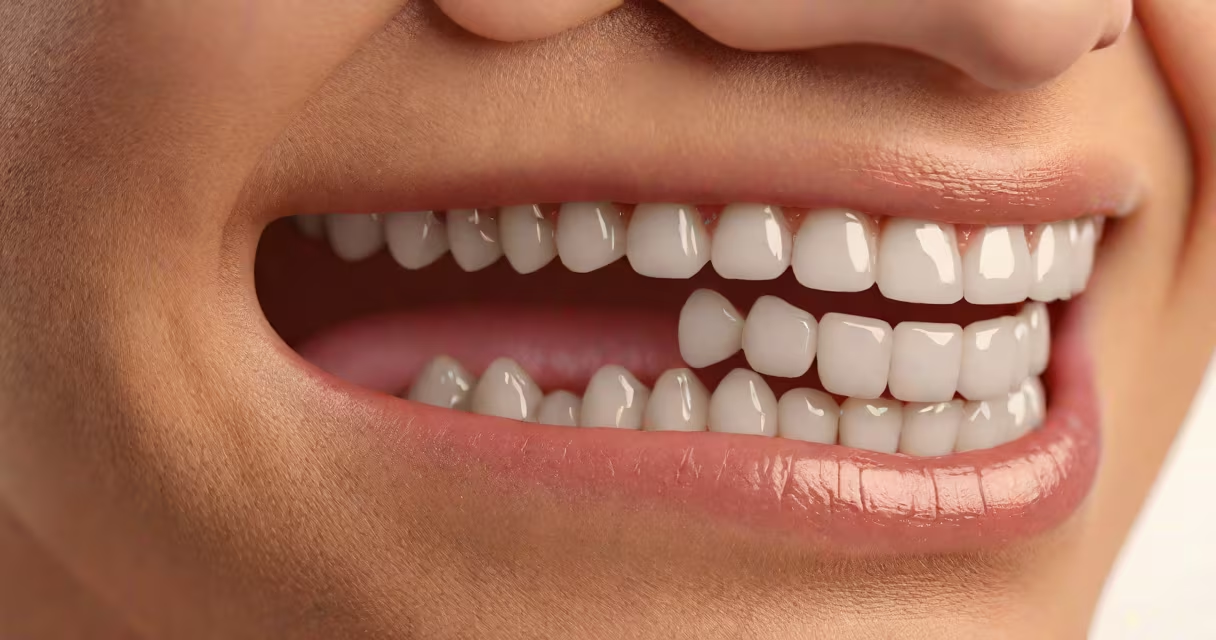
My teeth feel sensitive describes a condition where exposed dentin reacts painfully to temperature changes, sweets, or brushing. This occurs when enamel wears down or gums recede, exposing the inner layer of the tooth. The sensation is sharp, sudden, and often localized to specific teeth.
Sensitivity arises when the protective outer enamel layer erodes or when gum tissue pulls away from the tooth root, revealing dentin. Dentin contains microscopic tubules that lead directly to nerve endings inside the tooth. When these tubules are exposed, stimuli such as cold drinks, hot food, or even air can trigger pain. According to the American Dental Association, about 1 in 3 adults experiences tooth sensitivity at some point.
Common causes include aggressive brushing, acidic foods and drinks, teeth grinding (bruxism), and gum disease. A 2021 study published in the Journal of Clinical Dentistry found that 68% of patients reporting sensitivity had worn enamel due to abrasive brushing techniques. The condition is not just a minor annoyance-it can disrupt eating, drinking, and oral hygiene routines.
Dentin lies beneath both enamel and cementum. Enamel protects the crown; cementum covers the root. When either layer wears thin, dentin becomes accessible. The dentin's tiny tubules allow fluid movement in response to temperature or pressure changes. This fluid shift triggers nerve signals perceived as pain.
A clinical example: a patient who brushes twice daily with a hard-bristled brush and whitening toothpaste reports sharp pain when drinking ice water. Examination reveals receding gums and enamel loss on the premolars. The exposed dentin allows rapid fluid movement during cold exposure, activating nerves in the pulp chamber.
Unlike tooth decay, which causes constant dull pain, sensitivity is intermittent and stimulus-dependent. Cold liquids cause immediate pain, while warm drinks may not. This distinction helps differentiate between cavities and dentin hypersensitivity. The International Dental Journal notes that misdiagnosis is common-up to 40% of cases initially labeled as "toothache" are actually sensitivity-related.
Not all sensitivity is the same. Patterns help identify the underlying issue.
| Type | Trigger | Common Cause | Typical Location |
|---|---|---|---|
| Thermal | Cold or hot beverages | Enamel erosion, gum recession | Front teeth, molars |
| Chemical | Acidic foods (citrus, soda) | Acidic diet, acid reflux | Upper front teeth |
| Mechanical | Brushing, flossing | Aggressive brushing, improper technique | Areas near gumline |
| Combined | Multiple stimuli | Receding gums, multiple risk factors | Multiple teeth, especially lower molars |
For example, a 38-year-old woman reported pain when sipping coffee and brushing her upper left molar. She used a medium-hard brush and rinsed with mouthwash containing alcohol. Her dentist diagnosed chemical and mechanical sensitivity due to enamel loss and early gum recession. After switching to a soft brush and using a desensitizing toothpaste, symptoms improved within two weeks.
My teeth feel sensitive is not a sign of a cavity. Cavities typically cause persistent ache, not brief, sharp pain. Sensitivity is not always caused by sugar. While sweets can worsen symptoms, they're not the root cause. The primary driver is structural exposure of dentin.
A common error is assuming sensitivity only affects people with poor oral hygiene. In reality, even those who brush twice daily and floss regularly can develop sensitivity. A 2020 survey by the National Institute of Dental and Craniofacial Research found that 31% of participants with good oral habits still experienced sensitivity. This highlights that lifestyle and anatomy play key roles.
Another misconception: that sensitivity will go away on its own. Without intervention, it often worsens. Delayed treatment increases risk of further enamel loss, deeper dentin exposure, and potential need for restorative procedures like fillings or crowns.
If my teeth feel sensitive persists beyond a few days or worsens, consult a dentist. Self-diagnosis is unreliable. A professional exam can rule out cavities, cracked teeth, or gum infections. Dentists may apply fluoride varnish or recommend desensitizing agents to block nerve signals.
At home, switch to a soft-bristled toothbrush and use gentle, circular motions. Avoid whitening toothpastes-they contain abrasives that increase sensitivity. Limit acidic foods and drinks. Rinse with water after consuming them. Use a desensitizing toothpaste like Sensodyne Repair & Protect, which contains potassium nitrate to calm nerve activity.
I once treated a patient whose sensitivity began after switching to a new electric toothbrush. Despite proper brushing, she developed pain on her lower molars. Upon inspection, the brush's high vibration setting was causing micro-abrasions. Reducing speed and switching to a low-pressure mode resolved the issue. This shows that even recommended tools can contribute if misused.
Understanding why my teeth feel sensitive leads to better choices. Addressing the cause-whether it's diet, brushing method, or gum health-can prevent long-term damage. Early action reduces the chance of needing invasive procedures later.
Managing sensitivity starts with identifying the trigger and adjusting behavior. If symptoms persist, seek care. The goal is not just pain reduction but preserving natural tooth structure. With consistent care, most people achieve lasting comfort.