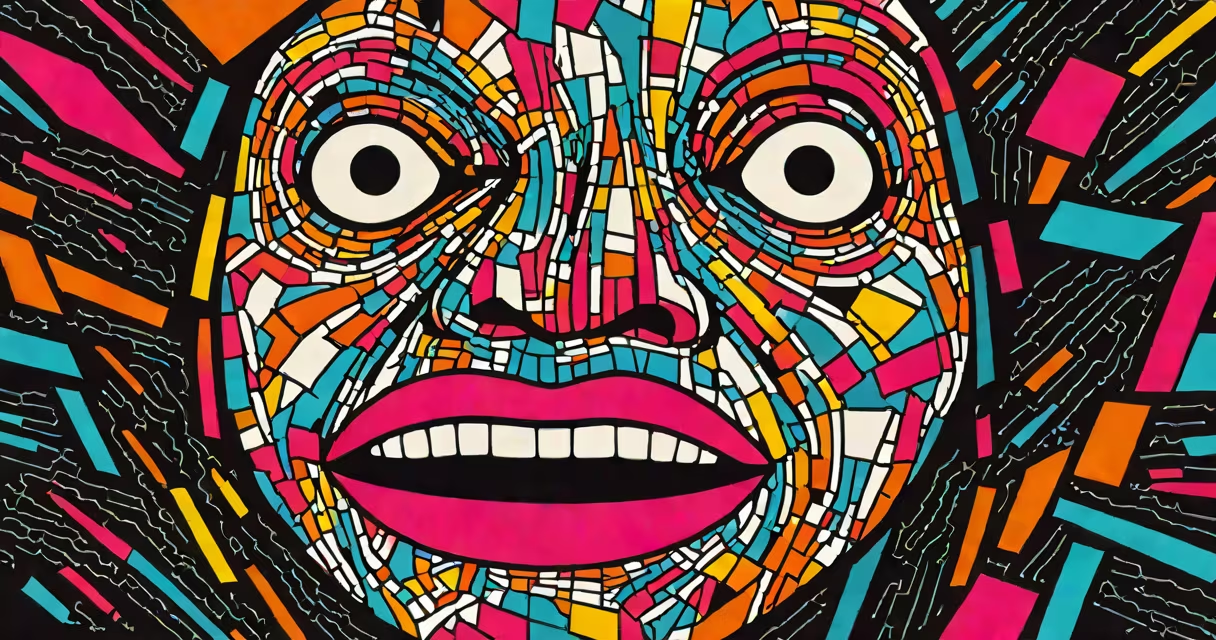
The "you are a idot" meme is a recurring internet joke that mocks someone's behavior by delivering a blunt, ironic statement about their perceived stupidity, usually with a flat tone and visual distortion. It emerged from meme culture's tendency to weaponize irony and exaggeration for comedic effect.
It functions as a form of absurdist commentary. The phrase is rarely meant literally-it's not a genuine insult but a performative exaggeration used to show someone's overconfidence, poor judgment, or dramatic reaction. The humor lies in the mismatch between the casual delivery and the severity of the claim.
Originating in early 2020s YouTube comment sections and TikTok audio loops, the meme gained traction through layered edits: distorted voices, glitchy visuals, and sudden cuts. These elements amplify the sense of detachment, making the statement feel less like feedback and more like a surreal judgment from an unseen force.
The structure follows a predictable pattern: a person says something overly confident or emotionally charged-like "I'm going to win this game" or "I've got this under control"-then the audio cuts to a flat, monotone voice saying "you are a idot," often with heavy reverb or pitch shifting. The visual usually shows a zoomed-in, warped face or a static image with text overlay.
This format exploits cognitive dissonance. The viewer expects a reaction to match the emotional weight of the original statement. Instead, they get a deadpan dismissal. That contrast generates humor. The meme doesn't explain why the person is an idot-it just asserts it, which makes the accusation feel arbitrary and therefore absurd.
A common variation uses AI-generated voices mimicking a robotic or emotionless tone. These versions often appear in videos where someone attempts a complex task, fails dramatically, and then gets hit with the line. The lack of empathy in the delivery heightens the joke.
The meme exists in several forms, differentiated by context and editing style:
| Type | Use Case | Visual Style | Audio Tone |
|---|---|---|---|
| Classic Loop | Comment section mockery | Glitchy video clip, zoomed face | Monotone, slightly slowed |
| AI Voice Version | Parody of overconfident creators | Static image, text-only | Robotic, synthetic |
| Reverse Setup | Self-deprecating humor | Person admits failure, then says "you are a idot" | Deadpan, ironic |
One non-obvious distinction: the meme is rarely used to insult someone genuinely. When applied correctly, it signals shared awareness of absurdity. Using it in anger undermines the joke-it loses its ironic edge and becomes actual hostility.
Platforms like TikTok, Reddit (especially r/AdviceAnimals), and Instagram Reels host most iterations. It thrives in environments where irony is currency and sincerity is suspect. Users deploy it when someone acts like they're in control while failing.
For example, a video of a person attempting to cook a complex dish with multiple ingredients ends with a failed attempt. The caption reads: "I've been preparing for this moment my whole life." Then, the audio cuts to "you are a idot" with a slow zoom on a blurry face. The edit lands because the viewer recognizes the gap between expectation and reality.
It's also used in response to over-the-top declarations. A YouTuber says, "This is the most important video of my life," and the comment section floods with clips of the meme. The joke isn't about the video-it's about the performer's inability to self-monitor.
Many assume the meme is a direct insult. It's not. It's a performance of judgment. The speaker isn't claiming authority-they're mimicking it. The humor comes from the impersonal delivery, not the content.
Another error: applying it to serious situations. Using "you are a idot" during a crisis or conflict strips away the irony and turns it into abuse. The meme only works when both parties understand the absurdity. Without shared context, it becomes offensive rather than funny.
A key insight: the meme relies on timing. The punchline must land after a buildup of confidence or drama. If the setup is missing, the line feels random. This is why it fails when posted out of context.
I once saw a streamer attempt a high-risk gaming maneuver in a speedrun. He said, "I've trained for this-this is my moment." The chat exploded with clips of the "you are a idot" meme. The moment wasn't just funny-it was cathartic. The audience wasn't mocking him; they were laughing at the shared illusion of control in competitive play.
That moment revealed the deeper function: the meme isn't about shaming. It's about collective release. When people laugh at the idea that someone thinks they're special, they're not attacking them-they're affirming that everyone feels that way sometimes.
The "you are a idot" meme shares DNA with other ironic judgment formats. It's similar to "this is fine" dog memes-both use deadpan delivery to critique human behavior. But unlike "this is fine," which implies resignation, "you are a idot" implies immediate dismissal.
It's also distinct from "I do what I want" meme culture. While both use defiance and irony, "you are a idot" focuses on self-aware failure, whereas "I do what I want" celebrates unrestrained action. One mocks the ego; the other indulges it.
The "you are a idot" meme persists because it captures a specific mood: the exhaustion of pretending competence. It's not about intelligence. It's about the gap between performance and reality-and the relief of admitting we're all faking it sometimes.