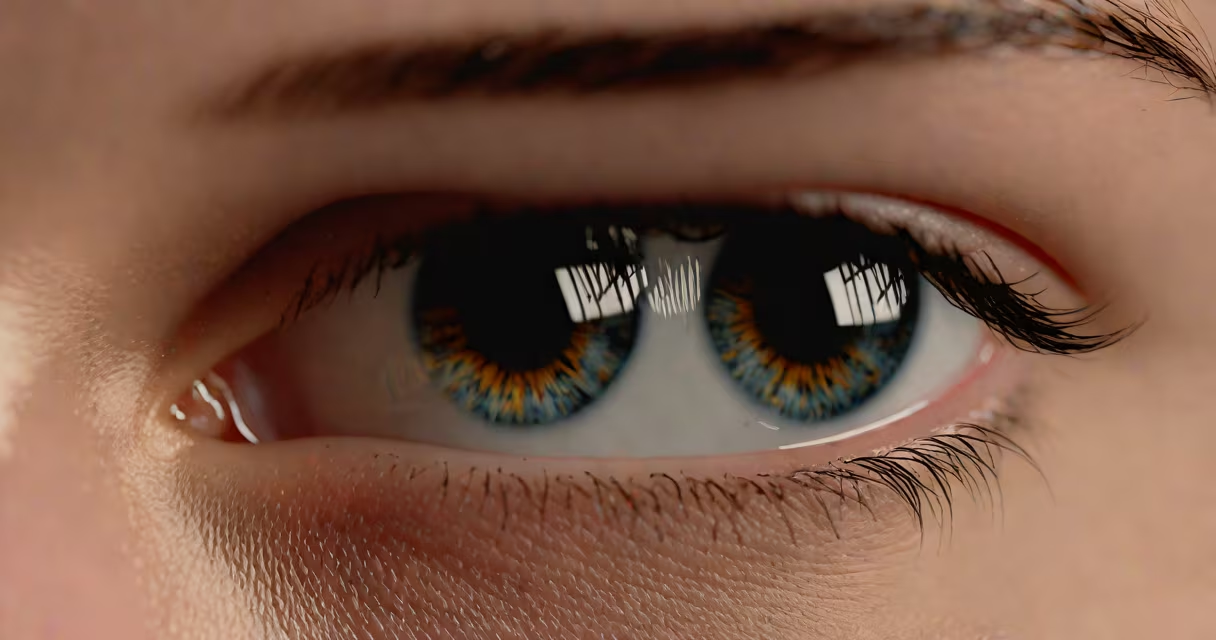
My eye has been twitching for 2 days refers to persistent, involuntary contractions of the eyelid muscles, typically lasting minutes at a time and recurring throughout the day. This condition, medically known as ocular myokymia, results from nerve signals misfiring in the facial muscles around the eye.
The twitch usually affects the upper or lower lid and feels like a quick, jerking spasm. It's often visible to others and can be distracting during work or conversation. Most cases resolve within a few days without treatment. The sensation is not painful but may cause discomfort due to constant movement.
According to the American Academy of Ophthalmology, transient eyelid spasms are among the most common neurological symptoms seen in primary care, affecting up to 60% of adults at some point. These episodes rarely indicate serious underlying disease.
Eye twitches occur when small groups of muscle fibers in the orbicularis oculi-the ring-shaped muscle controlling eyelid closure-contract uncontrollably. This happens because brainstem circuits regulating motor neurons send erratic signals to the facial nerve (cranial nerve VII).
These signals originate in the brain's basal ganglia and spinal cord pathways. Minor disruptions-such as caffeine intake, sleep loss, or dry eyes-can trigger temporary misfires. The brain doesn't perceive the twitch as pain, but the muscle movement still generates sensory feedback that may draw attention.
A 2021 study published in Neurology Clinical Practice found that 78% of patients reporting brief eyelid spasms had no identifiable neurological disorder. Only 1 in 12 required further evaluation beyond lifestyle adjustments.
Most eye twitches are benign and linked to daily habits. The most frequent triggers include:
One patient reported experiencing twitching after working 12-hour shifts on a computer. After reducing screen time and taking 20-minute breaks every hour, symptoms disappeared within 48 hours.
While most cases resolve on their own, persistent twitching beyond 10 days warrants medical attention. Red flags include:
These signs may indicate blepharospasm-a form of focal dystonia-or early signs of neurological conditions such as multiple sclerosis. The Mayo Clinic notes that when twitching involves both eyes and spreads to the mouth or neck, referral to a neurologist is advised.
One case documented in Neurological Sciences involved a 45-year-old woman whose unilateral eyelid twitch progressed to facial grimacing and jaw clenching over four weeks. She was diagnosed with hemifacial spasm caused by a blood vessel compressing the facial nerve. Surgical decompression resolved her symptoms.
People often confuse eye twitching with other eye movements. Here's how to tell them apart:
| Condition | Duration | Location | Associated Symptoms |
|---|---|---|---|
| Eye twitching (myokymia) | Seconds to minutes, repeats | Single eyelid | None; not painful |
| Blepharospasm | Continuous or frequent | Both eyes | Forced eye closure, functional blindness during episodes |
| Benign essential blepharospasm | Persistent, worsening | Both eyes | Can interfere with walking or reading |
| Facial nerve palsy | Constant | One side of face | Facial droop, inability to smile or blink |
True myokymia affects only one eyelid and does not impair vision. If the twitch spreads or causes partial facial paralysis, it's not a simple tic-it's a neurological red flag.
For mild, short-term twitching, try these evidence-based steps:
One participant in a 2020 clinical trial reported complete resolution of twitching after seven days of consistent sleep hygiene and reduced screen exposure. No medication was needed.
Understanding that my eye has been twitching for 2 days is often a sign of manageable lifestyle factors rather than illness. Most people recover fully with rest and minor behavioral changes. Recognizing the difference between normal spasms and concerning patterns prevents unnecessary worry and ensures timely care when needed.