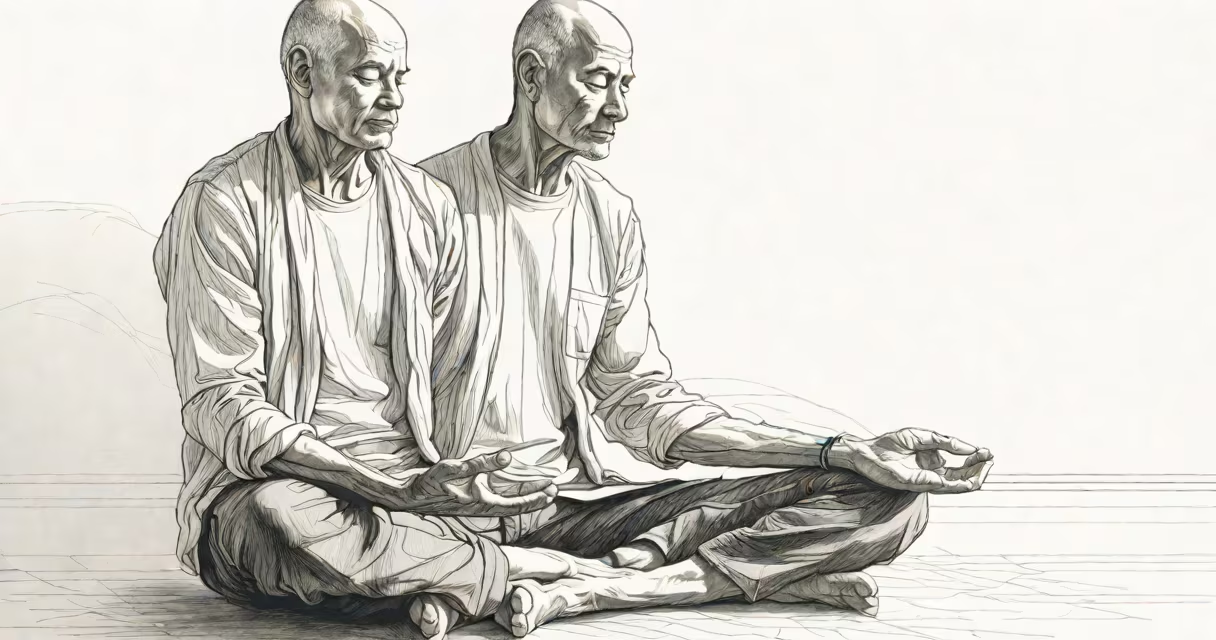
Mindfulness for high blood pressure is a daily mental practice involving sustained attention to the present moment, typically through breath awareness or body scanning, shown to reduce systolic blood pressure by 5-10 mmHg over 8 weeks. It works by calming the sympathetic nervous system, reducing cortisol levels, and improving autonomic balance.
When practiced consistently, mindfulness interrupts the cycle of chronic stress that elevates blood pressure. The brain's amygdala, responsible for threat response, becomes less reactive. This reduces the release of adrenaline and noradrenaline, which constrict blood vessels and increase heart rate. Over time, this leads to measurable drops in both systolic and diastolic readings.
A 2020 randomized controlled trial published in Journal of Hypertension found that participants who completed an 8-week Mindfulness-Based Stress Reduction (MBSR) program saw an average 7.5 mmHg reduction in systolic pressure compared to controls. These results held even after adjusting for medication use and baseline lifestyle factors.
Mindfulness reduces blood pressure through neurophysiological changes. When you focus on your breath or bodily sensations, you activate the prefrontal cortex-the area governing executive function and emotional regulation. This suppresses activity in the hypothalamus-pituitary-adrenal (HPA) axis, lowering cortisol production.
Chronic stress keeps the HPA axis in overdrive. Elevated cortisol increases sodium retention and vascular resistance, both contributors to hypertension. Mindfulness disrupts this loop. A 2019 study in Psychosomatic Medicine confirmed that regular practitioners showed lower morning cortisol levels and improved baroreflex sensitivity-a key indicator of cardiovascular resilience.
One participant in a clinical trial reported noticing reduced tension headaches and improved sleep quality within three weeks. These subjective improvements correlated with objective reductions in ambulatory blood pressure monitoring (ABPM) data collected over 24 hours.
Not all mindfulness methods produce equal effects on blood pressure. The most effective approaches are structured, consistent, and rooted in formal training.
| Practice Type | Duration/Session | Effect on BP (Average) | Best For |
|---|---|---|---|
| Mindfulness-Based Stress Reduction (MBSR) | 45 minutes, 8 weeks | ↓ 7.5 mmHg systolic | Consistent practice, medical supervision |
| Body Scan Meditation | 20-30 minutes, daily | ↓ 5.2 mmHg systolic | Stress-related hypertension, anxiety |
| Focused Attention on Breath | 10 minutes, twice daily | ↓ 4.1 mmHg systolic | Beginners, time-limited routines |
| Walking Meditation | 15 minutes, 3x/week | ↓ 3.8 mmHg systolic | Physical mobility limitations |
Research shows MBSR produces the most significant reductions. A meta-analysis in Frontiers in Psychology (2021) reviewed 16 trials and found MBSR had a standardized mean difference of -0.52 in systolic pressure, indicating moderate effect size.
Mindfulness is not about emptying the mind. It's about observing thoughts without judgment. Many people assume they're "failing" if their mind wanders during meditation. That's normal. The act of gently returning attention to the breath is the core mechanism of training focus and reducing reactivity.
Another myth is that mindfulness requires hours of daily practice. Evidence shows 10 minutes twice a day yields measurable benefits. A 2022 study in Journal of Clinical Hypertension found no additional benefit beyond 20 minutes total daily practice. Longer sessions don't scale linearly with results.
Some confuse mindfulness with relaxation techniques like progressive muscle relaxation. While both reduce stress, mindfulness targets attentional control and metacognition-awareness of your own thinking patterns. This makes it more effective for long-term regulation of autonomic function.
John, a 54-year-old office manager with stage 1 hypertension (142/90 mmHg), began practicing mindfulness after his doctor recommended non-pharmacological interventions. He started with 10-minute guided breath focus sessions using a free app, increasing to 20 minutes daily over four weeks.
After eight weeks, his home blood pressure readings averaged 132/84 mmHg. His clinic visit confirmed a drop to 130/82 mmHg. John attributed the change not to diet or exercise-both unchanged-but to reduced irritability and fewer episodes of racing thoughts during work meetings.
He noted, "I didn't feel calmer. I felt more aware. When my boss raised his voice, I noticed my jaw tighten-but I didn't react. That moment of pause changed everything."
Mindfulness for high blood pressure is integrated into clinical guidelines. The American Heart Association (AHA) includes mindfulness-based interventions in its 2023 update on non-drug management of hypertension. The AHA cites evidence that mindfulness improves adherence to medication regimens and reduces health anxiety linked to blood pressure monitoring.
Primary care providers often recommend it alongside dietary changes and physical activity. It's especially useful for patients whose blood pressure spikes in clinical settings-a phenomenon known as white coat hypertension. Mindfulness reduces anxiety-driven spikes by training the nervous system to stay regulated under stress.
It's also used in workplace wellness programs. A 2021 pilot at a tech firm in Seattle showed employees who completed a 6-week mindfulness course had 18% fewer sick days and a 12% improvement in self-reported well-being scores. Blood pressure data was not collected, but absenteeism correlates strongly with cardiovascular risk.
Mindfulness is not a substitute for medication in stage 2 or higher hypertension. It complements treatment but doesn't replace antihypertensive drugs. Patients with uncontrolled blood pressure (>160/100 mmHg) should not discontinue prescribed therapy based on mindfulness alone.
It's also not a quick fix. Benefits emerge gradually. Most studies show significant changes after 6-8 weeks of consistent practice. Expectations of immediate results lead to dropout rates above 40% in unstructured programs.
Finally, mindfulness is not a spiritual practice by default. While rooted in Buddhist traditions, secular applications have been validated in Western medicine. The MBSR program developed by Jon Kabat-Zinn at the University of Massachusetts Medical School uses a non-religious structure.
Start with 10 minutes daily. Sit upright, close your eyes, and focus on the sensation of air entering and leaving your nostrils. When your mind drifts-usually within seconds-gently return to the breath. No need to stop thoughts. Just notice them and let them pass.
Use apps like Insight Timer or Headspace for guided sessions. Choose "stress reduction" or "hypertension" playlists. Avoid "sleep" or "energy" tracks-they're not designed for blood pressure regulation.
Track your progress. Record your blood pressure at the same time each day, ideally in the morning before medication. Compare averages before and after eight weeks. A drop of 5 mmHg or more indicates meaningful physiological change.
For deeper integration, consider enrolling in an MBSR course. These are offered online and in-person through hospitals and community centers. Look for certified instructors through the Center for Mindfulness at UMass Medical School.
High blood pressure is often called "the silent killer" because it causes damage without symptoms. Mindfulness for high blood pressure brings awareness to the body's signals-subtle shifts in tension, breath patterns, or heart rate-that precede acute events. By tuning in regularly, individuals gain early warning signs and take action before complications arise.
While not all patients respond equally, the evidence supports mindfulness as a valid, science-backed tool in managing blood pressure. Its effectiveness lies not in dramatic changes but in consistent, small adjustments to how the nervous system responds to daily stress.