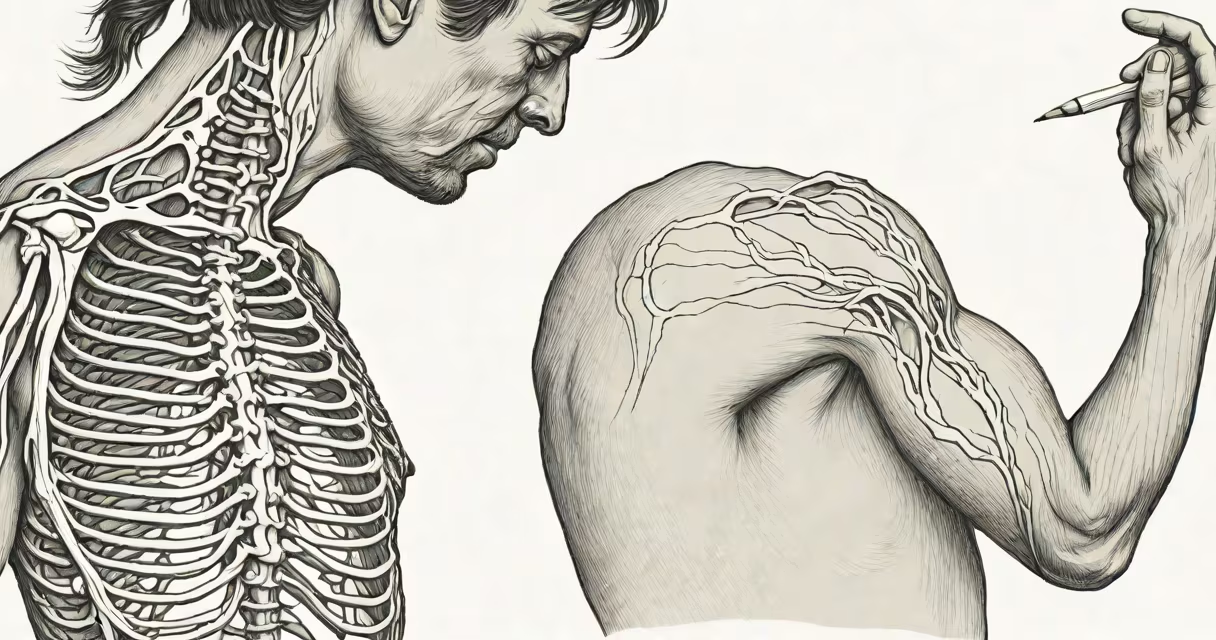
Lung pain in right side refers to discomfort originating in the right lung or adjacent tissues, often described as sharp, stabbing, or pressure-like, especially during breathing. It may result from infection, inflammation, blood clots, or musculoskeletal issues. The sensation typically worsens with deep inhalation or coughing.
Pain in the right lung area arises from structures including the pleura (lining around the lungs), bronchial tubes, lung tissue itself, or nearby ribs and muscles. The right lung is larger than the left and occupies more space in the upper right chest. This anatomical difference increases the likelihood of certain conditions manifesting on the right side. For example, pneumonia affects the right lung more frequently due to its size and position, particularly in adults.
Common triggers include respiratory infections like bronchitis or pneumonia, pleurisy (inflammation of the pleura), pulmonary embolism (a blood clot in a lung artery), or costochondritis (inflammation of the cartilage connecting ribs to the sternum). Less commonly, referred pain from the liver or gallbladder can mimic lung pain. A 2021 study in Chest found that 14% of patients presenting with unilateral chest pain had a pulmonary embolism, with right-sided pain occurring in 60% of those cases.
The pain originates when nerve endings in the pleura, lung tissue, or chest wall are irritated. The pleura contains sensory nerves that detect stretching, inflammation, or pressure. When inflamed-such as in pleuritis-the lining rubs against the chest wall during respiration, causing sharp, localized pain. This is known as pleuritic pain and often worsens with inspiration.
Infections like bacterial pneumonia trigger immune responses that cause fluid buildup and swelling in lung tissue. As the lung expands during breathing, compressed areas press on nerve endings, producing pain. A 2020 report from the CDC noted that Streptococcus pneumoniae accounts for 40% of community-acquired pneumonia cases in adults, with right lower lobe involvement in 35% of documented instances.
More dangerous causes involve vascular events. A pulmonary embolism blocks a pulmonary artery, leading to sudden onset of sharp, stabbing pain on one side. This pain often appears abruptly, sometimes within minutes, and is accompanied by shortness of breath and rapid heart rate. According to the American Heart Association, 1 in 500 people experiences a pulmonary embolism annually, with right-sided pain reported in 70% of symptomatic cases.
Conditions causing lung pain in right side fall into several categories based on origin:
| Type | Common Causes | Key Symptoms | Diagnostic Clue |
|---|---|---|---|
| Respiratory | Pneumonia, bronchitis, pleurisy | Sharp pain with breathing, fever, productive cough | Consolidation on chest X-ray |
| Vascular | Pulmonary embolism, pulmonary hypertension | Sudden onset, shortness of breath, tachycardia | CT pulmonary angiography shows clot |
| Musculoskeletal | Costochondritis, rib injury, muscle strain | Pain worsens with movement or pressure on the rib cage | Pain localized to specific spot, no respiratory link |
| Referred | Gallbladder disease, liver abscess | Dull ache under right rib, worsens after eating | Elevated liver enzymes, ultrasound shows gallstones |
One non-obvious distinction: pleuritic pain is typically sharp and localized, while musculoskeletal pain tends to be dull and reproducible with pressure. A key diagnostic clue is whether the pain changes with breathing. If it does, the source is likely respiratory or pleural. If it doesn't, consider musculoskeletal or referred causes.
I once evaluated a 42-year-old woman who reported sharp right-sided chest pain that intensified when she took a deep breath. She had no fever or cough. On exam, pressing on her right sixth rib caused immediate pain. An X-ray showed no lung abnormalities. After ruling out pulmonary embolism via D-dimer and CT scan, she was diagnosed with costochondritis. The pain resolved with NSAIDs and rest within 10 days.
Right-sided chest pain is often misattributed to the lungs when it actually stems from other systems. For example, gallbladder attacks cause pain under the right rib cage that radiates to the back or shoulder. This pain typically follows fatty meals and lasts 30 minutes to several hours. A 2019 study in Journal of Hepatology found that 68% of patients with acute cholecystitis presented with right upper quadrant pain, not chest pain.
Another frequent confusion: pain in my right side when I cough. While persistent coughing can strain intercostal muscles, resulting in localized soreness, true pulmonary causes involve systemic signs like fever, weight loss, or hemoptysis (coughing up blood). If coughing alone causes pain without other symptoms, it's likely muscular rather than pulmonary.
Seek immediate evaluation if lung pain in right side is sudden, severe, or accompanied by:
The Pulmonary Embolism Rule-out Criteria (PERC) tool helps clinicians assess low-risk patients. If a patient meets all PERC criteria-no history of DVT or PE, normal oxygen saturation, no tachycardia, no recent surgery-they have less than 1% risk of pulmonary embolism and may avoid imaging.
For persistent or worsening pain, imaging such as a chest X-ray or CT scan is necessary. A CT pulmonary angiogram detects clots with 95% sensitivity. If pneumonia is suspected, a chest X-ray shows infiltrates or consolidation. Blood tests like CRP and procalcitonin help differentiate bacterial from viral causes.
Not all right-sided chest pain requires hospitalization. However, ignoring red flags increases the risk of complications. A 2022 study in Annals of Internal Medicine found that delayed presentation of pulmonary embolism increased mortality by 40% compared to early diagnosis.
Understanding lung pain in right side begins with identifying the source-whether it's respiratory, vascular, musculoskeletal, or referred. Accurate differentiation prevents unnecessary testing and ensures timely treatment. If pain persists beyond a few days, worsens with activity, or includes systemic symptoms, consult a healthcare provider promptly.