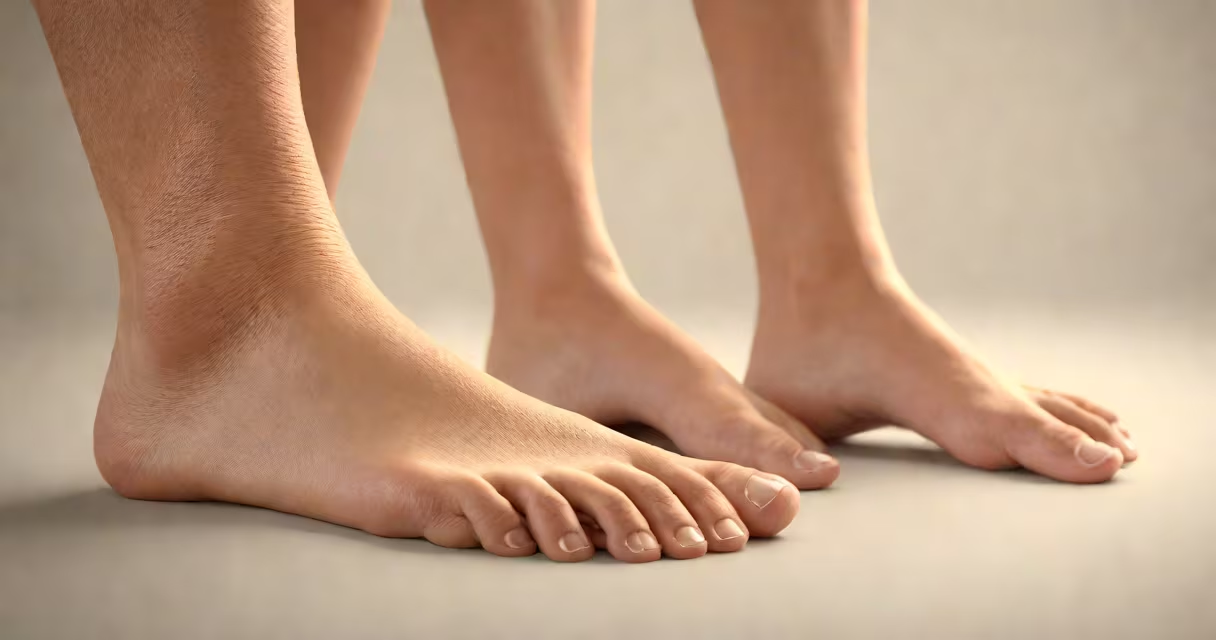
Legs hurt and feet are swollen when excess fluid accumulates in the lower extremities, often due to poor circulation, prolonged standing, injury, or an underlying medical condition such as heart failure, kidney disease, or venous insufficiency.
This combination of symptoms signals that fluid is pooling in the tissues below the knees. The swelling typically worsens ultimately and may subside overnight with elevation. Pain in the legs can stem from pressure on nerves, muscle strain, or inflammation. Together, they indicate a physiological imbalance requiring attention.
Swelling in the feet and legs is medically termed edema. When it occurs alongside pain, it's not just discomfort-it's a sign the body's fluid regulation system is under stress. Common triggers include sitting or standing for long periods, pregnancy, or wearing tight footwear. But persistent or sudden onset demands evaluation beyond home remedies.
When blood vessels in the legs struggle to return blood to the heart, pressure increases in capillaries. Fluid leaks into surrounding tissue, causing swelling. This process is called hydrostatic pressure imbalance. As fluid accumulates, it stretches skin and compresses nerves and muscles, resulting in aching, heavy, or throbbing sensations.
The circulatory system relies on calf muscles to pump blood upward. During prolonged sitting or standing, this pumping action slows. Gravity pulls fluid downward. Over time, this leads to visible puffiness in the feet and ankles. Compression stockings improve circulation by applying graduated pressure, reducing swelling and pain.
A 2021 study published in Journal of Vascular Surgery found that 68% of patients with chronic leg swelling had impaired venous function. This confirms that weakened vein valves allow blood to pool, leading to both swelling and discomfort. Without intervention, the condition can progress to skin discoloration and ulceration.
Several conditions cause legs to hurt and feet to swell. Identifying the root cause guides treatment. The most frequent culprits include:
Not all swelling is equal. For example, unilateral swelling (one leg) suggests a localized issue like injury or DVT. Bilateral swelling (both legs) points toward systemic problems such as heart or kidney dysfunction. Pain that worsens with walking but improves with rest may indicate PAD.
One non-obvious distinction: ankle swelling from medication side effects often begins gradually and persists even after resting. Diuretics, calcium channel blockers, and NSAIDs are known contributors. A 2022 review in Pharmacotherapy reported that 12% of patients on lisinopril developed edema within six months.
Red flags include sudden swelling, chest pain, shortness of breath, or a warm, tender leg. These may signal DVT or heart failure. Immediate evaluation is required. Even mild symptoms lasting more than a week should prompt a visit to a healthcare provider.
I once saw a patient who dismissed his swollen feet as "just aging." He wore tight shoes daily and sat for 10 hours at a desk. After two weeks of worsening pain and redness, he was diagnosed with a DVT. Anticoagulant therapy reversed the clot. Early detection prevented complications.
Diagnostic steps include physical exam, blood tests (creatinine, BNP), and imaging. Ultrasound confirms DVT. Echocardiogram assesses heart function. Urinalysis checks for protein loss, a sign of kidney involvement.
Differentiating between types of edema helps determine appropriate care. Below is a comparison of key categories:
| Type | Onset | Swelling Pattern | Associated Symptoms | Common Causes |
|---|---|---|---|---|
| Peripheral edema | Gradual | Bilateral, pitting (indent remains after pressing) | Heaviness, fatigue, tight shoes | Heart failure, kidney disease, medications |
| Localized edema | Sudden | Unilateral, non-pitting | Pain, warmth, redness | Injury, infection, DVT |
| Dependent edema | Worsens with activity | Lower legs and feet | Improves with elevation | Prolonged standing, pregnancy |
Pitting edema-where pressure leaves a temporary dent-is a clinical sign of fluid overload. Non-pitting edema suggests lymphatic or fibrotic issues. The presence of pitting helps clinicians distinguish between cardiac and renal causes.
Reducing salt intake lowers fluid retention. Limiting sodium to less than 2,300 mg per day is recommended by the American Heart Association. Elevating legs above heart level for 30 minutes twice daily decreases swelling. Regular movement prevents stagnation.
Compression socks apply external pressure to veins, aiding blood return. A 2019 randomized trial in British Journal of Sports Medicine showed that graded compression garments reduced leg swelling by 41% in office workers after four weeks.
For persistent cases, medical treatment targets the root cause. Diuretics reduce fluid volume. Blood thinners treat clots. Managing diabetes and hypertension prevents vascular damage. Lifestyle changes-weight control, exercise, avoiding tight clothing-are foundational.