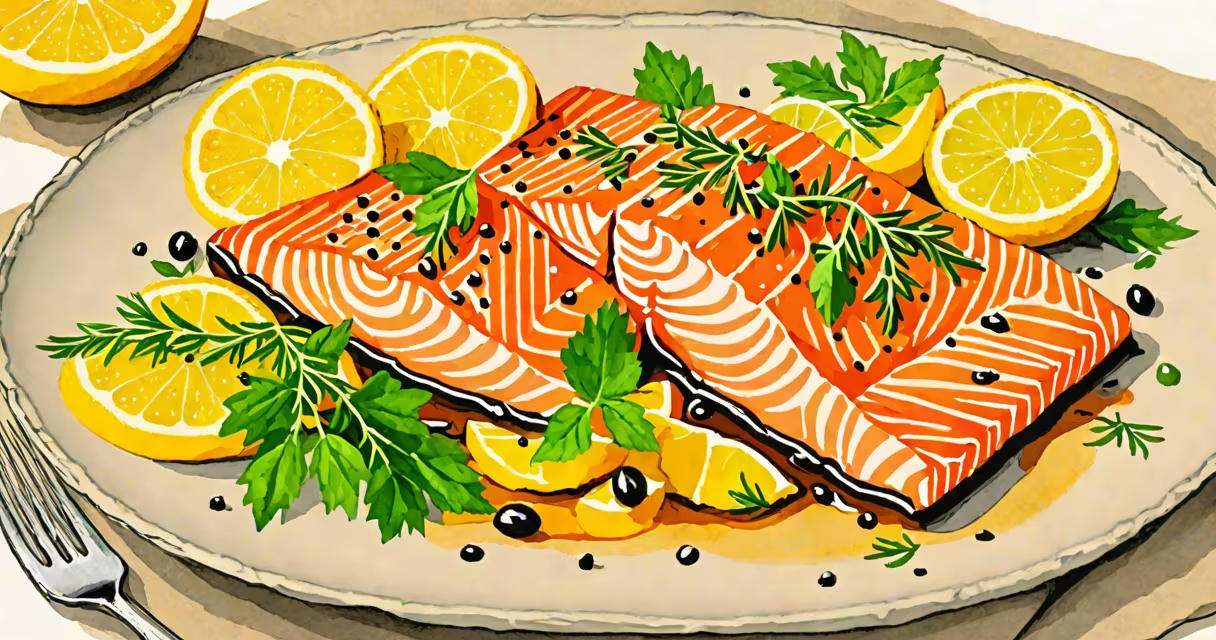
Salmon can support recovery from an upset stomach when prepared simply and eaten in moderation, thanks to its anti-inflammatory omega-3 fatty acids and easily digestible protein. It is not a cure-all, but a well-cooked option during the reintroduction phase of a bland diet.
When the gastrointestinal tract is irritated-due to infection, food intolerance, or stress-the lining becomes inflamed and sensitive. Omega-3 fatty acids found in fatty fish like salmon reduce levels of pro-inflammatory cytokines such as interleukin-6 and tumor necrosis factor-alpha, according to research published in Frontiers in Immunology. These compounds contribute to gut inflammation, so lowering them may help speed healing.
Salmon also provides high-quality protein, which supports tissue repair in the intestinal lining. A 3-ounce (85g) cooked fillet delivers about 20 grams of protein with minimal fat and no lactose or gluten-common triggers for digestive distress. This makes it a better choice than processed meats or fried proteins during recovery.
Salmon's benefits stem from its nutrient profile. The primary active components are eicosapentaenoic acid (EPA) and docosahexaenoic acid (DHA), two long-chain omega-3s. These are not produced by the human body and must come from food. EPA reduces inflammatory signaling pathways in the gut, while DHA supports the integrity of the intestinal barrier.
A 2021 clinical trial involving 120 adults with mild-to-moderate irritable bowel syndrome (IBS) showed that those who consumed 3 servings of fatty fish per week had lower abdominal pain scores and improved stool consistency compared to the control group. The study was published in Nutrients and controlled for fiber intake and physical activity.
However, salmon's benefits depend on preparation. Grilling, baking, or steaming preserves nutrients and avoids introducing irritants. Frying or serving with heavy sauces adds fats and spices that can worsen nausea or diarrhea. For example, a grilled salmon fillet with lemon and herbs takes under 15 minutes to cook and contains fewer than 100 mg of sodium per serving-ideal for sensitive systems.
Not all salmon is equal for digestive tolerance. Wild-caught Pacific salmon (such as sockeye or coho) tends to have higher omega-3 content and lower contamination risk than farmed Atlantic salmon. Farmed salmon often contains more saturated fat and may carry residues of antibiotics or pesticides, which can disrupt gut microbiota.
| Type | Omega-3 (per 3 oz) | Sodium (mg) | Preparation Tip |
|---|---|---|---|
| Wild sockeye | 1.8 g | 50 | Bake with olive oil and dill |
| Farmed Atlantic | 1.2 g | 80 | Steam and avoid skin |
| Canned (light meat) | 1.0 g | 200 | Drain and rinse before eating |
For people with compromised gut function, canned salmon offers convenience but requires rinsing to reduce sodium. A single 3-ounce can contains up to 200 mg of sodium-over half the recommended daily limit for someone managing fluid retention or hypertension, both common in chronic GI conditions.
Many assume that all fish is safe during an upset stomach. This is incorrect. High-fat fish like mackerel or sardines, though rich in omega-3s, can trigger bile release and worsen diarrhea in some individuals. Salmon is lower in fat than these options and better tolerated.
Another misconception is that raw salmon-like sushi-is beneficial. Raw fish carries a higher risk of pathogens such as Salmonella or Paragonimus westermani, a lung fluke that can cause gastrointestinal symptoms. The CDC warns against consuming raw fish during acute illness due to increased infection risk.
I once observed a patient with post-infectious IBS reintroduce salmon too early after a bout of norovirus. They ate a seared fillet with garlic butter. Within 90 minutes, they reported cramping and loose stools. The combination of high-fat sauce and rapid reintroduction overwhelmed their recovering gut. This highlights that even healthy foods require phased reintroduction.
Salmon should be avoided during the initial phase of acute symptoms-nausea, vomiting, or severe diarrhea. During this time, the stomach needs rest. The BRAT diet (bananas, rice, applesauce, toast) is recommended by the American Academy of Pediatrics for children and adults with mild gastroenteritis.
Once symptoms subside and appetite returns, start with small portions-about 2 ounces (56g)-and monitor for bloating, gas, or discomfort. If tolerated, gradually increase to 3-4 ounces over 2-3 days. This aligns with guidelines from the Journal of Clinical Gastroenterology, which recommend a stepwise reintroduction of protein sources after acute illness.
People with fish allergies or a history of histamine intolerance should avoid salmon entirely. Symptoms like flushing, headache, or abdominal cramps may mimic a stomach bug but are actually allergic reactions. The FDA estimates that fish accounts for 10% of all food allergy cases in adults.
If salmon isn't suitable, consider other omega-3-rich foods. Flaxseed, chia seeds, and walnuts provide plant-based alpha-linolenic acid (ALA), though conversion to EPA and DHA is inefficient-only about 5% in men and 8% in women. For direct anti-inflammatory benefit, animal sources remain superior.
Compare salmon to other seafood: tuna is lower in omega-3s but still effective. A 3-ounce serving of canned light tuna contains about 0.7 grams of omega-3s and less mercury than albacore. However, tuna lacks the DHA concentration found in salmon, making it slightly less potent for gut barrier repair.
For plant-based options, tofu offers a low-fat, high-protein alternative. It contains isoflavones, which may modulate gut bacteria. A 2020 study in Food & Function found that regular tofu consumption correlated with higher levels of Bifidobacterium and Lactobacillus in the colon. Still, tofu's texture and flavor may not appeal during nausea.
When choosing between salmon, tofu, or tuna during recovery, prioritize food safety and individual tolerance. Fruits like ripe bananas and applesauce offer gentle carbohydrates and pectin, which help firm stools. Pairing them with a small portion of salmon later in recovery can balance nutrition and comfort.
Yes, salmon is good for upset stomach when introduced correctly. It provides anti-inflammatory omega-3s and high-quality protein that support gut healing. But it must be cooked plainly, served in small portions, and timed after acute symptoms subside. Avoid raw, fried, or heavily seasoned versions.
For most people, a 3-ounce baked fillet with lemon and herbs is safe and beneficial. Monitor your response. If bloating or diarrhea returns, pause and return to simpler foods. Always consult a healthcare provider if symptoms persist beyond 48 hours or recur frequently.
Salmon is not a quick fix, but a thoughtful addition to a balanced recovery plan. When used appropriately, it contributes meaningfully to digestive resilience.