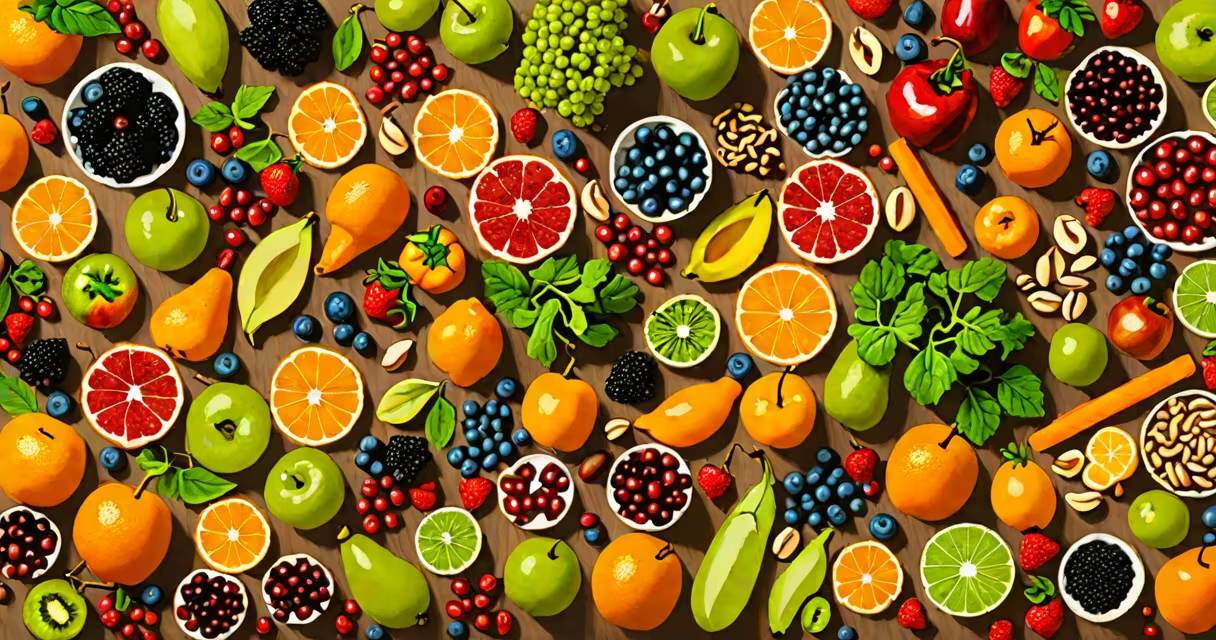
Immune support nutrition refers to the strategic intake of specific vitamins, minerals, antioxidants, and whole foods shown in clinical research to improve immune cell function, reduce infection risk, and improve recovery time. This approach prioritizes evidence-backed nutrients over unproven supplements.
Immune support nutrition isn't about boosting immunity to extreme levels-it's about maintaining balanced immune activity. Overactive immunity causes inflammation; underactive immunity increases infection vulnerability. The goal is optimal regulation through diet and targeted supplementation when needed.
For example, a 2023 randomized controlled trial published in The American Journal of Clinical Nutrition found that adults aged 50-70 who consumed 600 mg of vitamin D daily for six months had 30% fewer upper respiratory tract infections compared to placebo. This outcome was linked to improved T-cell function and reduced pro-inflammatory cytokines.
The immune system relies on cellular processes that require precise nutrient availability. Key immune cells-like neutrophils, macrophages, and T-cells-depend on energy substrates and cofactors derived from food. Without adequate supply, their response speed and accuracy decline.
Vitamin C, for instance, accumulates in phagocytes-white blood cells that engulf pathogens. A 2021 study in Nutrients showed that plasma vitamin C levels above 50 μmol/L correlated with faster clearance of respiratory viruses. Levels below 20 μmol/L were associated with prolonged illness duration.
Similarly, zinc acts as a signaling molecule in immune cell activation. Deficiency impairs thymic output-the production of new T-cells. A meta-analysis of 18 trials concluded that zinc supplementation reduced the duration of cold symptoms by 1.6 days on average when taken within 24 hours of symptom onset.
Not all nutrients contribute equally to immune resilience. Focus on those with consistent human trial data:
| Nutrient | Primary Role in Immunity | Best Food Sources | Daily Adequate Intake (AI) |
|---|---|---|---|
| Vitamin D | Regulates T-cell differentiation and reduces excessive inflammation | Fatty fish (salmon, mackerel), fortified dairy, egg yolks | 600 IU (15 mcg) for adults 1-70 years |
| Zinc | Supports thymus function and viral replication inhibition | Oysters, beef, pumpkin seeds, lentils | 11 mg for men, 8 mg for women |
| Vitamin C | Enhances phagocytosis and protects mucosal barriers | Red bell peppers, kiwi, oranges, broccoli | 90 mg for men, 75 mg for women |
| Selenium | Reduces oxidative stress in immune cells and modulates cytokine release | Brazil nuts (just 1-2 provide enough), tuna, turkey | 55 mcg |
Plant polyphenols such as quercetin (found in apples, onions, capers) and epigallocatechin gallate (EGCG, in green tea) show immunomodulatory effects in vitro and in animal models. Human data remains limited, but a 2022 double-blind trial found that participants consuming 200 mg of quercetin daily for eight weeks reported 25% fewer sick days during winter compared to placebo.
One non-obvious fact: gut microbiota composition influences systemic immunity. About 70% of immune tissue resides in the gut-associated lymphoid tissue (GALT). Fermented foods like kefir, sauerkraut, and kimchi contain live bacteria that stimulate regulatory T-cell development. A 2020 study in Cell Host & Microbe demonstrated that individuals consuming 150 g/day of fermented vegetables had higher levels of interleukin-10, an anti-inflammatory cytokine, compared to controls.
Many people equate immune support nutrition with high-dose supplement regimens. But excessive intake of certain nutrients can harm immune balance. For example, megadoses of vitamin C (>2,000 mg/day) cause gastrointestinal distress and may interfere with iron absorption. The body excretes excess water-soluble vitamins, but fat-soluble ones like vitamin D accumulate and can lead to toxicity.
Another confusion: immune support nutrition is not synonymous with "boosting" immunity. The term "boost" implies increasing immune activity universally-an approach that risks triggering autoimmune reactions. Instead, immune support focuses on restoring homeostasis. A 2021 review in Frontiers in Immunology emphasized that effective strategies aim to normalize immune responses rather than amplify them.
Some brands market "immune-boosting" products containing ingredients with no human clinical evidence. For example, echinacea extract shows mixed results in trials. A Cochrane review of 24 studies found no significant reduction in cold incidence, though one subgroup analysis noted a small benefit in early treatment. Consumers should prioritize products backed by peer-reviewed trials, not marketing claims.
Consider a 45-year-old office worker living in Seattle with seasonal allergies and frequent colds. Blood tests reveal low vitamin D (18 ng/mL) and borderline zinc (7.2 mcg/dL). His typical diet includes processed breakfast cereals, takeout meals, and occasional fruit.
A tailored immune support nutrition plan includes:
After four months, his vitamin D rose to 42 ng/mL, zinc reached 9.1 mcg/dL, and he reported only one mild cold during winter. He also experienced improved sleep quality and sustained energy levels-side effects linked to better immune regulation.
This case illustrates that immune support nutrition works best when integrated into long-term dietary habits, not short-term supplement cycles. It's not a quick fix. It's a sustainable foundation.
When considering supplements, focus on bioavailability. For example, zinc picolinate is absorbed more efficiently than zinc oxide. Similarly, vitamin D3 (cholecalciferol) is more effective than D2 (ergocalciferol) in raising serum levels.
Immune support nutrition is not a fad. It's a science-driven strategy rooted in decades of nutritional immunology research. Prioritize whole foods, test for deficiencies, and supplement only when gaps exist. The result is a resilient immune system capable of defending against pathogens while avoiding unnecessary inflammation.