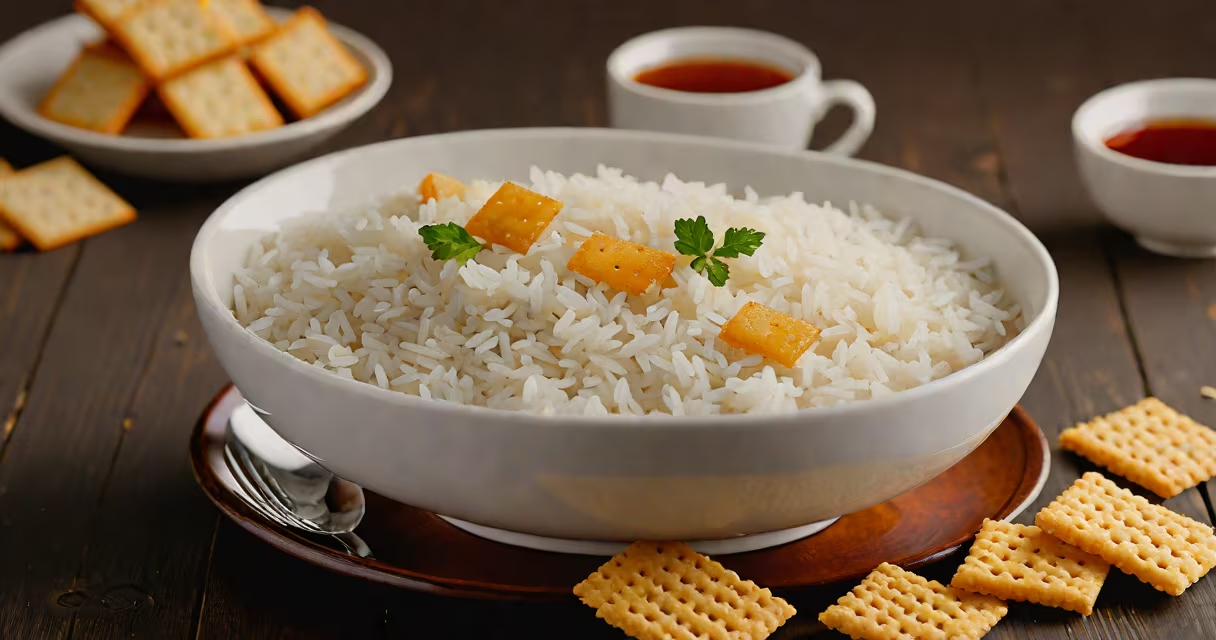
Food for when you're nauseous includes low-aroma, low-fat, easily digestible options like plain rice, saltine crackers, ginger tea, and clear broths. These choices reduce gastric irritation and support stomach recovery during nausea episodes.
Nausea arises when the brain's vomiting center activates due to signals from the gut, inner ear, or bloodstream. Common triggers include viral infections, motion sickness, pregnancy, medication side effects, or food poisoning. During these times, eating can worsen symptoms if the food is greasy, spicy, or high in fiber. The goal is to introduce substances that calm the digestive tract without demanding heavy processing.
Research from the National Center for Biotechnology Information (NCBI) confirms that ginger reduces nausea in pregnant women and postoperative patients. A 2015 study found that 1 gram of ginger daily reduced nausea severity by 40% compared to placebo. This supports using ginger-based foods or drinks when feeling queasy.
The digestive system slows during nausea. High-fiber, fatty, or acidic foods take longer to process and may trigger reflux or further upset. In contrast, bland foods provide energy without stimulating excessive acid or bile production.
Plain carbohydrates like white rice or toast offer glucose without bulk. They coat the stomach lining and reduce irritation. Saltine crackers contain sodium and simple carbs-both help restore electrolytes lost through vomiting or sweating. Their dry texture also absorbs excess gastric fluid.
Clear liquids such as water, weak tea, or broth maintain hydration and prevent dehydration, which worsens nausea. A 2018 review in The American Journal of Surgery showed that early oral intake after surgery improved recovery time and reduced nausea rates compared to prolonged fasting.
Not all foods are equal when nausea strikes. The most effective choices fall into three categories: dry, bland, and hydrating.
| Type | Examples | Why it works |
|---|---|---|
| Dry, bland | Saltine crackers, plain toast, boiled potatoes | Low odor, minimal fat, easy to chew. Prevents acid splash. |
| Hydrating | Clear broth, diluted apple juice, ginger tea | Replenishes fluids and electrolytes without burdening the gut. |
| Anti-nausea agents | Ginger tea, chamomile infusion, peppermint water | Active compounds (gingerol, luteolin) modulate gut motility and reduce inflammation. |
Some people try cold foods like ice chips or popsicles. These work by numbing the mouth and throat, reducing the sensation of gagging. However, they don't replace nutrients or hydration. Ice chips are especially useful when oral intake is limited due to severe nausea.
Many assume that "eating something" always helps nausea. But forcing solid food too soon can trigger vomiting. The stomach needs time to rest. The correct approach is to start with sips of clear liquid, then progress to small bites of bland food only when tolerance improves.
Another error is choosing high-protein or high-fiber foods. While protein is essential, meat, beans, or nuts require more digestive effort. During nausea, the body prioritizes survival over digestion. Introducing complex proteins too early delays recovery.
A lesser-known fact: some people experience nausea from odors associated with food-even if they're not hungry. This happens because smell and taste pathways connect directly to the brainstem's emetic center. That's why cooking smells can make nausea worse. Choosing low-odor foods like plain rice or crackers avoids this trigger.
I experienced this firsthand during a mild foodborne illness. After vomiting twice, I felt weak and dizzy. Instead of reaching for soup or fruit, I followed a step-by-step plan based on clinical guidelines:
By the next morning, I was able to eat light chicken soup. Full recovery took 24 hours. This method aligns with recommendations from the Centers for Disease Control and Prevention (CDC), which advises gradual reintroduction of food after vomiting.
Food for when you're nauseous works well for short-term, mild cases. But persistent nausea lasting more than 24 hours, especially with fever, blood in vomit, or inability to keep fluids down, requires evaluation.
When nausea strikes, choose simple, low-stimulus foods. Avoid strong flavors, fats, and textures. Start with liquids, then move to dry, bland solids. Ginger, saltines, rice, and broth form a reliable foundation. These options aren't just old wives' tales-they're backed by physiology and clinical evidence.