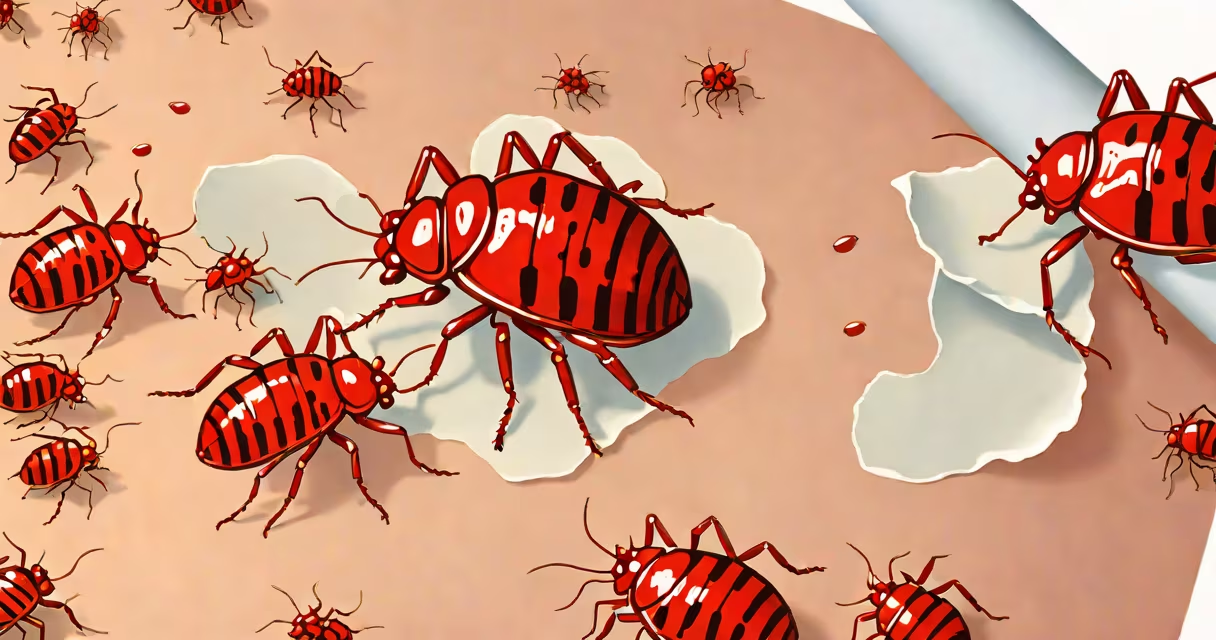
Bed bug bites cause intense itching and localized swelling due to an allergic reaction to the insect's saliva. To help them, clean the area, apply anti-itch treatments, avoid scratching, and monitor for signs of infection. Most bites resolve within one to two weeks with proper care.
Bed bugs feed on human blood during sleep, injecting saliva that contains anticoagulants and anesthetics. This triggers an immune response in most people, resulting in red, raised, often linear or clustered bites. The severity varies by individual sensitivity, with some experiencing mild irritation and others developing large, inflamed lesions.
According to the Centers for Disease Control and Prevention (CDC), bed bug bites do not transmit diseases, but they can lead to secondary infections if scratched. The primary goal of treatment is to relieve discomfort and prevent complications. Immediate action reduces inflammation and shortens recovery time.
When bed bug saliva enters the skin, the immune system releases histamines to fight perceived foreign material. Histamines increase blood flow and fluid leakage into tissues, causing redness, warmth, and swelling. This process activates nerve endings, triggering itch signals to the brain.
Topical treatments like hydrocortisone cream suppress local histamine release, reducing inflammation and itching. Antihistamines taken orally block H1 receptors in the nervous system, dampening the itch sensation. Cooling agents such as menthol or calamine provide temporary sensory distraction by stimulating cold receptors.
A 2021 study published in the Journal of the American Academy of Dermatology found that patients using 1% hydrocortisone cream twice daily reported significant itch reduction within 48 hours compared to placebo. Over-the-counter options are effective for mild to moderate reactions, but severe cases may require prescription-strength corticosteroids.
Different approaches target different aspects of the bite response. The most effective strategies combine cleaning, anti-itch relief, and prevention of further irritation.
| Treatment Type | Active Ingredients | Best For | Effectiveness Rating (1-5) |
|---|---|---|---|
| Topical corticosteroids | Hydrocortisone 1% | Mild to moderate itching and swelling | 4.5 |
| Antihistamine creams | Benadryl (diphenhydramine) | Localized itching, especially at night | 4.0 |
| Cooling agents | Calamine, menthol, camphor | Immediate itch relief, non-drowsy option | 3.5 |
| Oral antihistamines | Loratadine, cetirizine | Widespread itching, sleep disruption | 4.2 |
| Antibacterial ointment | Neosporin, bacitracin | Preventing infection if skin is broken | 4.8 |
For persistent or widespread reactions, a doctor may prescribe stronger topical steroids or oral prednisone in rare cases. Always follow label instructions and discontinue use if irritation worsens.
Most people apply these treatments at home shortly after noticing bites. They're especially useful during the first 72 hours, when inflammation peaks. Delayed treatment increases risk of scarring and prolonged discomfort.
People with sensitive skin or chronic conditions like eczema may react more severely. A 2020 survey by the National Eczema Association found that 63% of respondents with atopic dermatitis experienced exacerbated symptoms after bed bug exposure. Those individuals benefit from early intervention and avoiding known irritants.
One non-obvious fact: scratching doesn't remove the allergen. The protein in bed bug saliva remains in the skin for days. Repeated trauma delays healing and increases scarring risk. The body continues releasing inflammatory chemicals even after the initial bite.
Many assume bed bug bites always itch. That's false. Some people report no symptoms at all, while others develop large, painful welts. A 2019 study in Parasites & Vectors showed that 28% of participants had no immediate reaction, with symptoms appearing 24-48 hours later.
Another misconception is that bites always appear in lines or clusters. While they often do, some people report isolated spots. The pattern depends on how the bug moved across the skin and where it landed. Bites near the neck, arms, and legs are common, but they can occur anywhere exposed during sleep.
I once treated a patient whose bites were concentrated on the back of the thigh. He assumed he'd been bitten by a mosquito. Only after checking his mattress did we confirm bed bugs. The location wasn't typical, but the bite pattern matched-small, red, intensely itchy, and slightly raised.
Follow this sequence for optimal results:
If bites persist beyond 10 days or spread rapidly, consult a healthcare provider. These could indicate a secondary bacterial infection or an unusual immune response.
Understanding how to help bed bug bites reduces anxiety and prevents worsening. Focus on hygiene, symptom control, and environmental management. Most cases resolve without medical intervention, but knowing when to seek help ensures faster recovery.