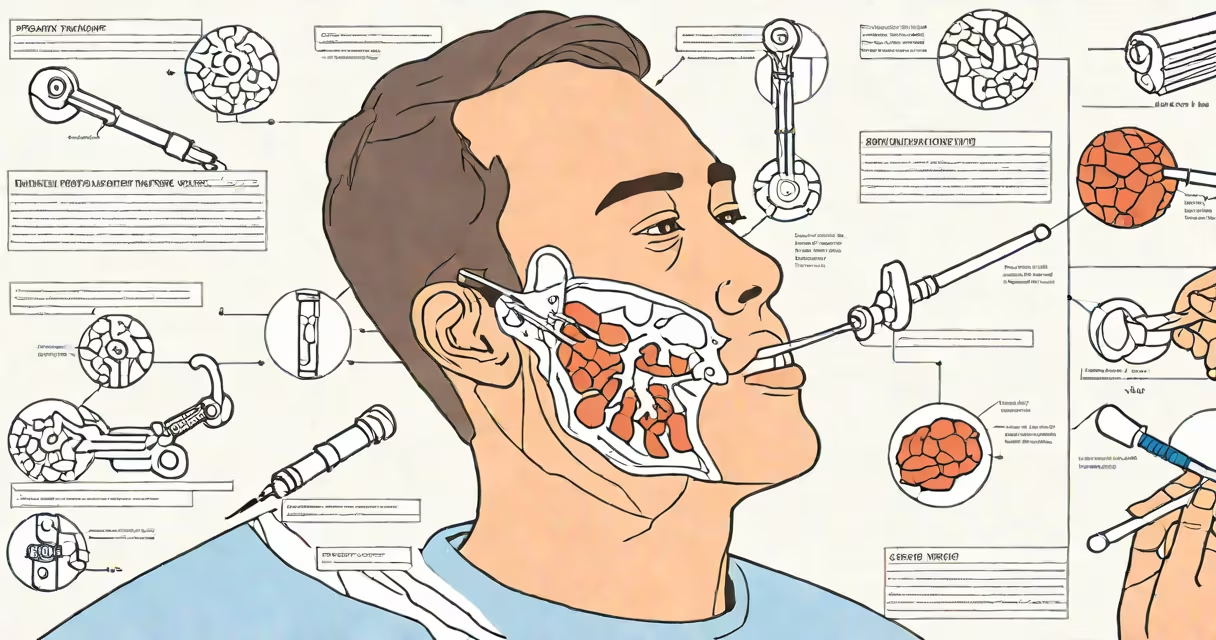
Becoming a bone marrow donor means registering with a national registry to potentially provide life-saving stem cells to someone with a blood cancer or genetic blood disorder. The process begins with a simple cheek swab and takes less than 10 minutes to complete online.
Donors are matched through the National Marrow Donor Program (NMDP), which maintains the Be The Match registry. When a patient needs a transplant, doctors search for a donor whose human leukocyte antigen (HLA) markers closely match their own. A close match reduces the risk of graft-versus-host disease, a serious complication where donor cells attack the recipient's body.
Most donors contribute peripheral blood stem cells (PBSC), collected via apheresis-a non-surgical outpatient procedure. About 20% of donations involve harvesting marrow directly from the hip bone under anesthesia. Both methods are safe, and donors typically recover within days.
After registering, your HLA type is entered into the Be The Match database. If a patient needs a match, the NMDP contacts you. You'll undergo medical screening, including a physical exam and blood tests, to confirm eligibility.
If selected, you'll receive detailed information about the donation method. For PBSC donation, you'll take daily injections of filgrastim for five days to increase stem cell production in your bloodstream. On the donation day, blood is drawn through a needle in one arm, passed through a machine that separates out stem cells, then returned through the other arm. The process takes about four hours and happens in a clinic.
For marrow donation, you'll go to an operating room. Doctors extract 1-2 quarts of marrow from your pelvic bones using hollow needles. The procedure lasts 1-2 hours under general anesthesia. Most donors return home the same day and resume normal activities within a week.
You must be between 18 and 60 years old to register. Age limits exist because younger donors have better recovery rates and higher success rates in transplants. People over 60 may still qualify in rare cases, depending on health history.
Health criteria include being free of chronic diseases such as HIV, hepatitis B or C, and certain cancers. You must not have had organ transplants or blood transfusions in the past year. If you've had a recent illness, you may be deferred until fully recovered.
Registration is free. You'll receive a kit by mail with two cotton swabs to collect cheek cells. Swab both cheeks, seal the kit, and send it back. Results are processed within 2-3 weeks. You'll get a confirmation email and a unique donor ID.
| Donation Type | Procedure | Recovery Time | Side Effects |
|---|---|---|---|
| Peripheral Blood Stem Cells (PBSC) | Apheresis over 4 hours; daily filgrastim injections for 5 days | 1-3 days | Mild bone pain, fatigue, headache |
| Marrow Harvest | Surgical extraction from hip bones under anesthesia | 1-2 weeks | Back pain, soreness, temporary numbness |
Many people believe donating marrow is extremely painful or dangerous. This is false. Clinical studies show that 98% of donors report no long-term complications. The NMDP tracks outcomes and publishes results annually.
Another myth is that only family members can donate. While siblings have a 25% chance of matching, 75% of patients rely on unrelated donors. The global registry includes over 23 million potential donors across 100 countries.
Some think the process is invasive or requires hospitalization. PBSC donation is done in a clinic. Marrow harvests happen under anesthesia and most donors go home the same day. Recovery time averages 3-7 days.
In 2022, a 24-year-old woman from Texas registered after seeing a social media post. She was matched with a 7-year-old boy in Brazil with severe aplastic anemia. She received filgrastim injections and donated PBSCs at a local center. The boy began recovering within two weeks and returned to school six months later.
I volunteered at a donor drive in 2021. We screened 147 people in one day. Six were called for further testing. One was matched with a patient in New York. The donor completed the process and later sent a photo of the recipient holding a sign that read "Thank you." That moment underscored how small actions create large impacts.
The American Society of Hematology reports that survival rates for patients receiving transplants from unrelated donors have improved from 50% in 1990 to 75% today. This progress stems from better HLA matching and donor availability.
Once you return the swab, your HLA type is added to the database. You'll hear from the NMDP only if a match is found. There's no obligation to proceed after being contacted. Many donors decline due to scheduling conflicts or health changes-but every match matters.
Donor diversity remains critical. Patients from underrepresented racial and ethnic groups face longer wait times for matches. African Americans, Latinos, and Native Americans make up less than 20% of the registry. Increasing representation improves outcomes for all patients.
Registering takes 10 minutes. Your sample may save a life. The process is anonymous. You won't meet the recipient unless they choose to share contact later. But you'll know you helped someone survive.
Understanding how you can become a bone marrow donor begins with a single step: signing up. The system relies on volunteers. Without them, patients with no family match would die waiting.