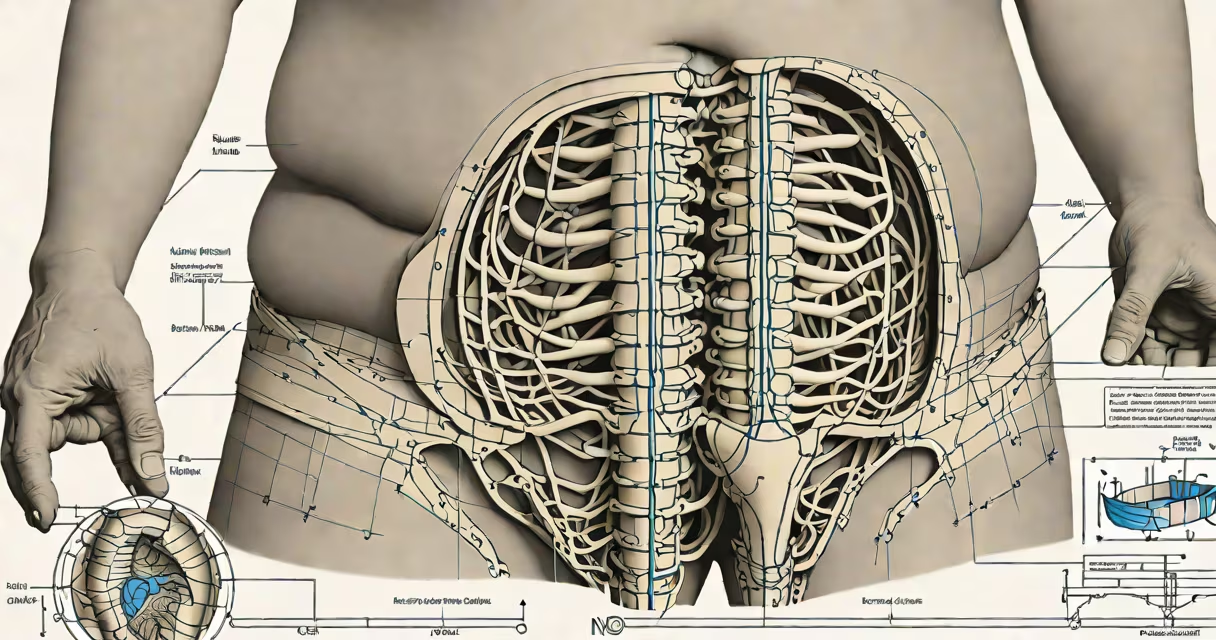
A hard bloated lower abdomen describes a visibly swollen, firm area in the lower belly often caused by trapped gas, stool buildup, or fluid retention. This condition may feel tense to the touch and persist beyond typical post-meal bloating.
The sensation arises when pressure builds inside the intestines or pelvic cavity. Unlike mild bloating after eating, a hard, tight feeling suggests physical obstruction or significant accumulation. It can occur suddenly or develop over hours, especially after consuming high-fiber foods, carbonated drinks, or meals rich in FODMAPs.
Medical sources confirm that persistent lower abdominal hardness correlates with conditions like irritable bowel syndrome (IBS), constipation-predominant IBS, and small intestinal bacterial overgrowth (SIBO). The National Institute of Diabetes and Digestive and Kidney Diseases (NIDDK) notes that chronic bloating affects about 16% of adults in the U.S., with many reporting a rigid or distended lower abdomen.
When digestion slows, gas produced by gut bacteria accumulates in the colon. Without proper elimination, this gas stretches the intestinal walls, increasing intra-abdominal pressure. The result is a firm, distended lower abdomen that may feel tender or painful upon touch.
Constipation contributes. When stool remains in the large intestine longer than 48 hours, water absorption increases, hardening the stool and expanding the bowel. A 2021 study in Alimentary Pharmacology & Therapeutics found that 72% of patients with chronic constipation reported a hard bloated lower abdomen as a primary symptom.
Fluid retention-especially in women during menstruation-can also cause the lower abdomen to feel tight and heavy. Hormonal shifts affect sodium and water balance, leading to edema in the abdominal wall and pelvic region. This type of bloating typically resolves within 3-5 days after menses begin.
Not all bloating is the same. The following table outlines key differences based on underlying cause:
| Type | Physical Sensation | Common Triggers | Duration |
|---|---|---|---|
| Gas-related | Firm, rumbling, movable swelling | Beans, cabbage, carbonated drinks, chewing gum | Minutes to hours |
| Stool buildup | Hard, immobile mass, dull ache | Low fiber intake, dehydration, sedentary lifestyle | Days to weeks |
| Fluid retention | Heavy, puffy, warm to touch | Menstrual cycle, high salt intake, hormonal changes | 3-7 days |
| Pathological | Unrelenting hardness, pain, fever | IBS, SIBO, ovarian cysts, bowel obstruction | Persistent or worsening |
One non-obvious distinction: gas bloating feels "bouncy" when pressed gently, while stool-related bloating resists compression and may cause a dull ache. Fluid retention often includes swelling in the legs or ankles, which helps differentiate it from other types.
While occasional bloating is common, a hard, unyielding lower abdomen lasting more than 2-3 days warrants medical evaluation. Red flags include:
According to the American College of Gastroenterology, persistent bloating with weight loss or changes in bowel habits increases the risk of underlying gastrointestinal disease, including colorectal cancer. Early detection improves survival rates-5-year survival for localized colorectal cancer is 90%, per the CDC.
I once experienced a hard bloated lower abdomen after a weekend of eating fried food and drinking beer. By day two, my lower belly felt like a drum. Pressing it caused sharp pain. After three days of no relief, I visited a GI clinic. An ultrasound revealed a fecal impaction. After a single enema, the hardness resolved completely. That episode taught me that "just bloating" isn't always harmless.
Start with dietary adjustments. Reduce intake of high-FODMAP foods such as onions, garlic, wheat, and dairy. Increase water intake to 2.5 liters daily and consume 25-30 grams of fiber per day from whole grains, vegetables, and legumes.
Try gentle movement: walking 10 minutes after meals stimulates colonic motility. Over-the-counter simethicone (like Gas-X) can reduce gas volume. For persistent cases, a trial of lactose-free or gluten-free diets may help identify triggers.
Understanding the difference between temporary bloating and a hard bloated lower abdomen prevents unnecessary anxiety and guides timely care. Addressing the root cause early reduces complications and restores comfort.