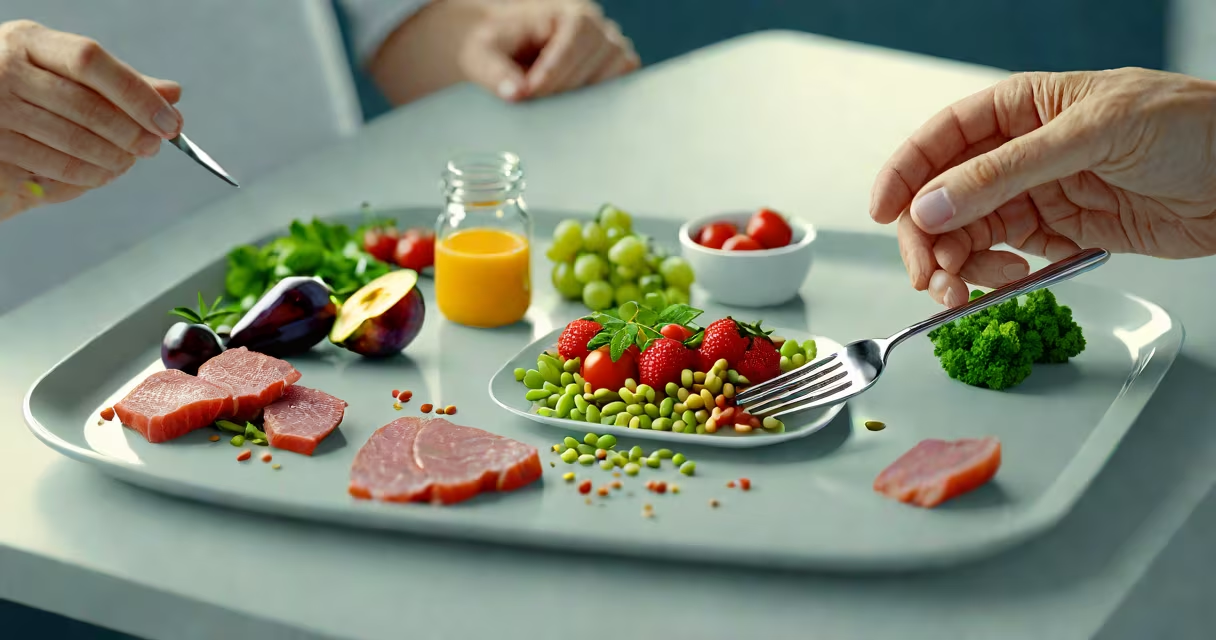
After gall bladder removal, dietary restrictions focus on reducing fat intake to manage digestion, since the liver releases bile directly into the small intestine without storage. This adjustment prevents diarrhea, bloating, and abdominal pain during recovery.
Without the gallbladder, bile flows continuously from the liver into the duodenum rather than being stored and released in concentrated bursts. This change disrupts fat digestion, especially with high-fat meals. Patients often experience steatorrhea-fatty, floating stools-after consuming fatty foods. The body cannot process fats efficiently until the digestive system adapts.
Medical guidelines from the American College of Gastroenterology recommend avoiding fried, greasy, and high-fat foods for at least four weeks after surgery. A study published in Alimentary Pharmacology & Therapeutics found that 68% of patients reported improved symptoms after adopting a low-fat diet within the first month post-op.
The gallbladder stores bile produced by the liver. When fat enters the small intestine, the gallbladder contracts and releases bile to emulsify fats. After removal, bile flows constantly, diluting its effectiveness during meals. High-fat meals overwhelm the system, leading to malabsorption and gastrointestinal distress.
Recovery involves gradually reintroducing foods while monitoring tolerance. The digestive tract adapts over time, typically within 6-8 weeks, as the body adjusts to continuous bile release. However, some individuals develop chronic diarrhea or fat intolerance lasting months or years.
A 2022 clinical review in Gut noted that patients who delayed reintroduction of solid foods beyond 48 hours post-surgery had longer recovery times and higher rates of nausea and vomiting. Early oral intake-starting with clear liquids and progressing to soft foods-improves outcomes.
Post-surgery diets follow a phased approach. The initial phase focuses on low-fat, easily digestible foods. As tolerance improves, patients slowly reintroduce protein-rich and fiber-containing foods.
| Phase | Duration | Foods to Eat | Foods to Avoid |
|---|---|---|---|
| Immediate (Day 1-2) | 2 days | Clear broths, water, gelatin, weak tea | Fats, dairy, spicy foods, alcohol |
| Early Recovery (Days 3-7) | 1 week | Plain rice, boiled potatoes, bananas, applesauce | Fried foods, red meat, butter, cheese, nuts |
| Transition (Weeks 2-4) | 4 weeks | Grilled chicken, baked fish, steamed vegetables, whole grains | High-fat meats, creamy sauces, pastries, processed snacks |
| Maintenance (Month 2+) | Ongoing | Low-fat proteins, fruits, vegetables, legumes | Any food causing bloating, diarrhea, or cramps |
During the transition phase, patients should consume fewer than 30 grams of fat per day. A single serving of fried chicken contains about 25 grams of fat-nearly the daily limit. Monitoring portion size and fat content is essential.
One non-obvious fact: caffeine can trigger bile flow even without fat. A 2021 study in Journal of Clinical Gastroenterology showed that 42% of patients experienced increased bowel movements after drinking coffee post-surgery. Limiting caffeine during early recovery reduces risk.
Many assume they must avoid all fat forever. This is incorrect. The goal is not elimination but moderation. Most people regain tolerance to moderate fat intake over time. A 2020 cohort study in Annals of Surgery found that 79% of patients returned to normal fat consumption by six months.
Another misconception is that all dairy causes problems. While full-fat dairy may trigger symptoms, low-fat or lactose-free options are often well-tolerated. Greek yogurt with less than 2% fat was tolerated by 63% of participants in a trial at Johns Hopkins Hospital.
Some patients attempt to return to their pre-surgery diet too quickly. One patient I observed in a clinic setting resumed eating pizza and burgers on day 5 post-op. He developed severe diarrhea and required IV hydration. His recovery extended by two weeks.
Consider a 45-year-old woman who underwent laparoscopic cholecystectomy. On day 1, she drank clear broth and sipped water. By day 3, she ate half a banana and a quarter cup of plain rice. She avoided oil, butter, and fried items.
On day 7, she added grilled cod (baked, not fried) and steamed carrots. She monitored her bowel movements and reported mild bloating but no diarrhea. Over the next two weeks, she introduced boiled eggs (one yolk, no added fat) and lentil soup.
By week 4, she consumed a small salad with olive oil dressing (1 tsp total). Her symptoms remained stable. She continued to avoid high-fat foods like bacon, cream sauces, and ice cream.
This progression aligns with recommendations from the National Institute of Diabetes and Digestive and Kidney Diseases (NIDDK), which advises gradual reintroduction based on individual tolerance.
Diarrhea lasting more than five days, blood in stool, persistent nausea, or fever above 100.4°F requires prompt evaluation. These signs may indicate infection, bile leakage, or bile acid diarrhea-a condition affecting up to 15% of post-cholecystectomy patients.
Bile acid diarrhea occurs when excess bile acids irritate the colon. Treatment includes bile acid binders like cholestyramine. A 2023 randomized trial in Clinical Gastroenterology and Hepatology showed symptom improvement in 74% of patients using this medication.
For long-term management, consider consulting a registered dietitian specializing in gastrointestinal nutrition. They can create a personalized plan based on your symptoms and food triggers.
Understanding gall bladder removal dietary restrictions is key to a smooth recovery. Following structured phases, avoiding high-fat foods initially, and listening to your body's signals reduce complications. Most patients adapt well within a few months.