Digital marketing packages for small business are pre-built service bundles that combine essential online marketing tools-like social media management, search engine optimization (SEO), and paid advertising-into a single, fixed-cost offering. These packages simplify access to professional marketing support without requiring long-term contracts or complex planning.
Small businesses often lack dedicated marketing teams or budgets for custom campaigns. Digital marketing packages fill that gap by offering standardized services tailored to common goals: increasing website traffic, generating leads, and building brand awareness. A typical package includes a set number of social media posts per week, monthly SEO audits, and a defined ad budget spread across platforms like Facebook and Google.
For example, a $499/month package might include five Instagram posts, two LinkedIn articles, weekly Google Ads management with a $500 monthly spend, and bi-weekly performance reports. This structure allows owners to predict costs and measure results without needing marketing expertise.
These packages operate on a subscription model. Clients pay a flat fee each month for a defined set of services. The provider assigns a team-often including a social media manager, SEO specialist, and campaign analyst-to execute tasks according to a shared calendar and workflow.
Service delivery follows a recurring cycle: planning, execution, reporting, and adjustment. For instance, a campaign might start with keyword research and on-page SEO tweaks, followed by scheduled content publishing and ad testing. After 30 days, performance data is compiled and used to refine the next cycle.
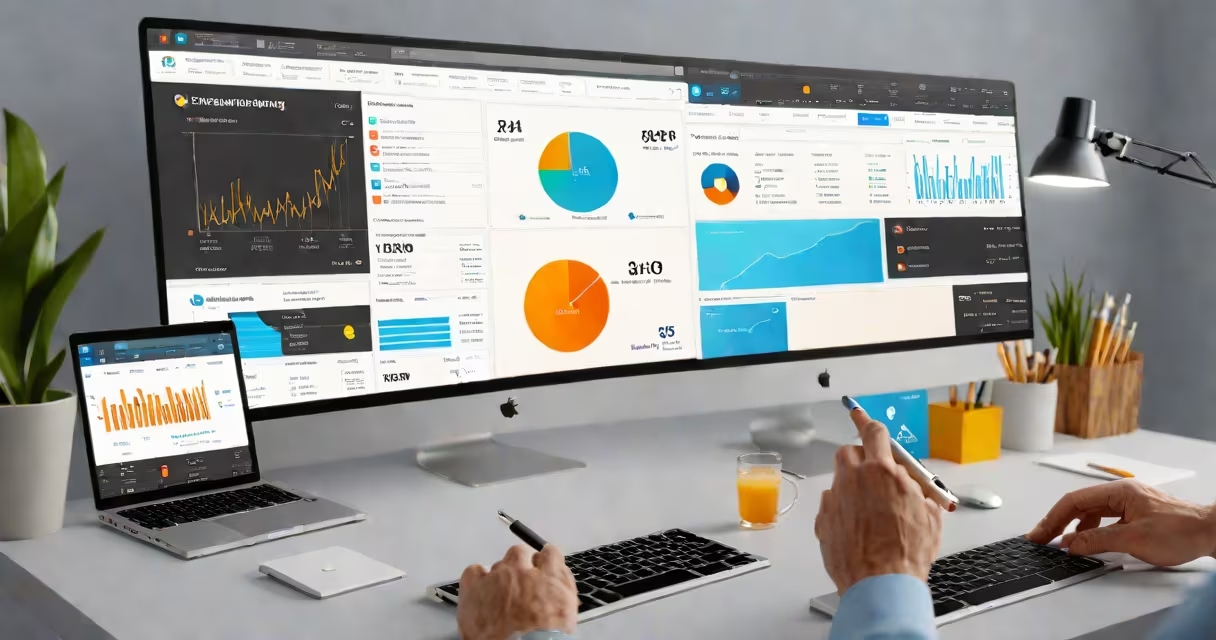
Providers use project management tools like Asana or Trello to track progress. Clients receive access to dashboards showing metrics such as click-through rates, follower growth, and cost-per-acquisition. This transparency helps small business owners verify ROI without needing to interpret raw data.
Most providers segment their offerings by business size and goals. The following table outlines common tiered structures based on industry standards from HubSpot and the American Marketing Association.
| Package Tier | Typical Monthly Cost | Core Services | Best For |
|---|---|---|---|
| Starter | $200-$400 | Social media (3-5 posts/week), basic SEO, email newsletter | New businesses testing online presence |
| Growth | $500-$800 | Advanced social media, Google Ads, monthly SEO audit, blog content | Established local services expanding reach |
| Pro | $900+ | Full-funnel strategy, video content, retargeting ads, conversion rate optimization | Businesses with consistent revenue seeking scale |
Some providers offer niche packages focused on specific industries. A restaurant might get a "local foodie" package featuring Google Business profile optimization, geo-targeted Facebook ads, and customer review generation. A boutique clothing store may receive a "visual storytelling" plan centered on Instagram Reels, Pinterest SEO, and influencer outreach.
Time and resource constraints are the primary drivers. According to a 2023 U.S. Small Business Administration report, 68% of small businesses lack a full-time marketer. Digital marketing packages reduce the burden of learning platforms, creating content, and managing campaigns.
They also standardize quality. Without a package, a business might hire freelancers with inconsistent output. With a package, expectations are clear: deliverables are defined, timelines are set, and accountability rests with the agency. This consistency reduces risk and improves long-term outcomes.
One client, a yoga studio in Austin, switched from hiring separate freelancers to a $650/month Growth package. Within four months, their Instagram engagement rose 110%, and website bookings increased by 42%. The studio owner noted, "I stopped stressing about posting daily. The team handled everything, and I saw results in under two months."
Many assume digital marketing packages are one-size-fits-all. That's incorrect. While base offerings share components, most allow customization. A bakery might swap a blog component for a Google My Business optimization module. Customization ensures relevance to the business's audience and goals.
Another myth is that these packages guarantee immediate sales. They don't. Success depends on alignment between the package's scope and the business's market. A $700/month package won't convert users if the landing page lacks trust signals or the product pricing doesn't match demand. Performance hinges on both marketing execution and business fundamentals.
A key distinction missed by many is that packages don't replace brand strategy. They're tactical tools, not strategic ones. A business must define its audience, messaging, and values before selecting a package. Otherwise, even well-executed ads may fail to resonate.
Start with providers that publish transparent service breakdowns and client testimonials. Avoid those promising "guaranteed results" or using vague language like "full-service marketing." Instead, look for detailed descriptions of deliverables, response times, and revision policies.
Check reviews on Trustpilot and Google Business. Look for patterns: consistent feedback on communication speed, content quality, and adaptability during changes. A provider that adjusts campaigns based on seasonal trends or market shifts shows deeper understanding.
For example, a plumbing company in Denver chose a Growth package after comparing three providers. They selected one that included quarterly competitor analysis and automated lead follow-up via SMS. After six months, their average cost per lead dropped from $28 to $14.
When evaluating, ask: What happens if my website crashes during a campaign? How quickly do they respond to urgent issues? Can I pause or cancel mid-cycle? These questions reveal operational reliability beyond marketing skill.