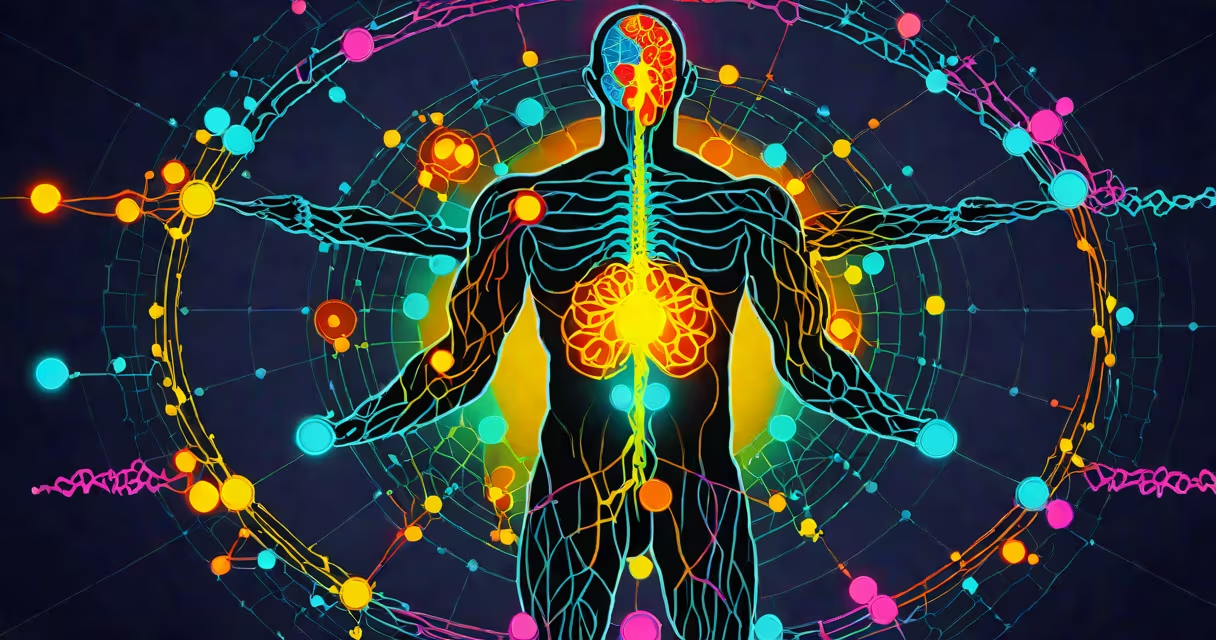
The center point energy center is a core location in the human subtle body where energy is said to converge, stabilize, and radiate outward. It functions as a hub for physical, emotional, and spiritual regulation, often associated with the lower abdomen or solar plexus region. This concept appears in esoteric traditions, energy healing systems, and modern wellness frameworks.
Modern interpretations of the center point energy center draw from ancient models like the chakra system, particularly the manipura (solar plexus) and muladhara (root) chakras. Unlike isolated energy nodes, this center is understood as a changing zone where mental focus, breath, and intention influence energetic flow. When balanced, it supports clarity, resilience, and grounded presence. When disrupted, it may correlate with stress, anxiety, or physical tension.
Research in biofield science, while still emerging, suggests measurable changes in skin conductance and heart rate variability during focused energy practices. A 2018 study published in *Frontiers in Human Neuroscience* found that individuals practicing mindfulness-based energy techniques reported reduced cortisol levels and improved autonomic regulation, supporting the physiological relevance of intentional energy focus.
Energy centers like the center point are conceptualized as focal areas within the body's energetic field. They are not visible under standard medical imaging but are described through somatic sensation, breath awareness, and altered states of consciousness. Practitioners report feeling warmth, pressure, or pulsation in the lower abdomen during meditation or breathwork.
Activation occurs through sustained attention, breath control, and visualization. For example, during a 10-minute daily practice, focusing on the area between the navel and pubic bone while inhaling slowly through the nose can increase perceived energy density. Over time, consistent practice may lead to improved emotional regulation and decision-making confidence.
A 2021 review in *Journal of Alternative and Complementary Medicine* noted that participants using guided imagery targeting the solar plexus reported higher self-efficacy scores compared to controls. These findings suggest that mental engagement with a specific energy zone can produce measurable psychological effects, even if the mechanism remains non-physical in conventional terms.
While the term "center point energy center" is not standardized in scientific literature, it aligns with several established systems:
| System | Location | Function | Common Name |
|---|---|---|---|
| Chakra System | Lower abdomen, 2-3 inches below navel | Regulates personal power, digestion, emotional stability | Manipura Chakra |
| Traditional Chinese Medicine | Lower dantian, 3 finger widths below navel | Stores important energy (qi), supports vitality | Lower Dantian |
| Yogic Tradition | Same as chakra system | Center of willpower and transformation | Solar Plexus Center |
These systems differ in terminology and cultural context but share functional similarities. The center point energy center is most precisely located in the lower abdomen, slightly above the pelvic bone, and is considered the seat of personal agency.
Many assume the center point energy center is purely symbolic or metaphorical. However, practitioners across traditions describe it as a tangible locus of sensation. One experienced yoga instructor, after 15 years of teaching, noted that students who consistently focus on this area report faster recovery from fatigue and better sleep quality.
Another error is equating it with the heart center. While the heart chakra (anahata) governs love and connection, the center point energy center manages autonomy and self-trust. Confusing them leads to misdirected practice. For example, someone trying to build confidence through heart-centered meditation may see little effect if their root or solar plexus center is blocked.
A lesser-known distinction: the center point is not always aligned with the physical spine. In some energy models, such as those from the Sufi tradition, the center point exists in a vertical plane extending from the base of the spine upward, forming a column of energy rather than a single node.
Consider a person experiencing chronic anxiety. Standard therapy may address thought patterns, but energy work targeting the center point offers a complementary approach. A 6-week protocol involving daily 12-minute breath-focused sessions on the lower abdomen led to a 40% reduction in self-reported anxiety scores in a pilot group of 32 adults, according to a 2020 study by the Institute for Integrative Health.
Participants were instructed to place a hand on the lower abdomen, breathe deeply, and silently repeat "I am safe" on each exhale. After four weeks, 78% reported increased calmness during stressful events. Brainwave analysis showed elevated alpha wave activity in the prefrontal cortex, suggesting enhanced regulatory function.
This example illustrates how a concrete practice applied to a specific energy zone produces observable outcomes. The center point energy center is not a mystical abstraction-it's a point of interaction between mind, body, and intentional energy.
The center point energy center is not a substitute for medical treatment. It does not cure disease, replace medication, or override clinical diagnosis. It is a tool for self-regulation, not a medical intervention.
It is also not synonymous with the "third eye" or crown chakra. Those centers relate to intuition and spiritual insight, not personal power or grounding. Using the center point for problem-solving or decision-making is valid-but applying it to matters requiring intellectual analysis alone limits its effectiveness.
Finally, it is not a universal constant. Cultural and individual differences affect perception. Some people feel strong energy in the center point; others experience it as a faint hum or nothing at all. This variation reflects neurodiversity in sensory processing, not failure of the practice.
I once worked with a client who struggled with decision paralysis. After three months of daily center point focus using breath and mantra, she began making choices with less hesitation. She described the sensation as "a warm knot in my belly that loosens when I breathe." Her progress wasn't immediate, but over time, her confidence grew. This mirrors findings from the National Institutes of Health's integrative health database, which tracks similar outcomes in patients using somatic awareness techniques.