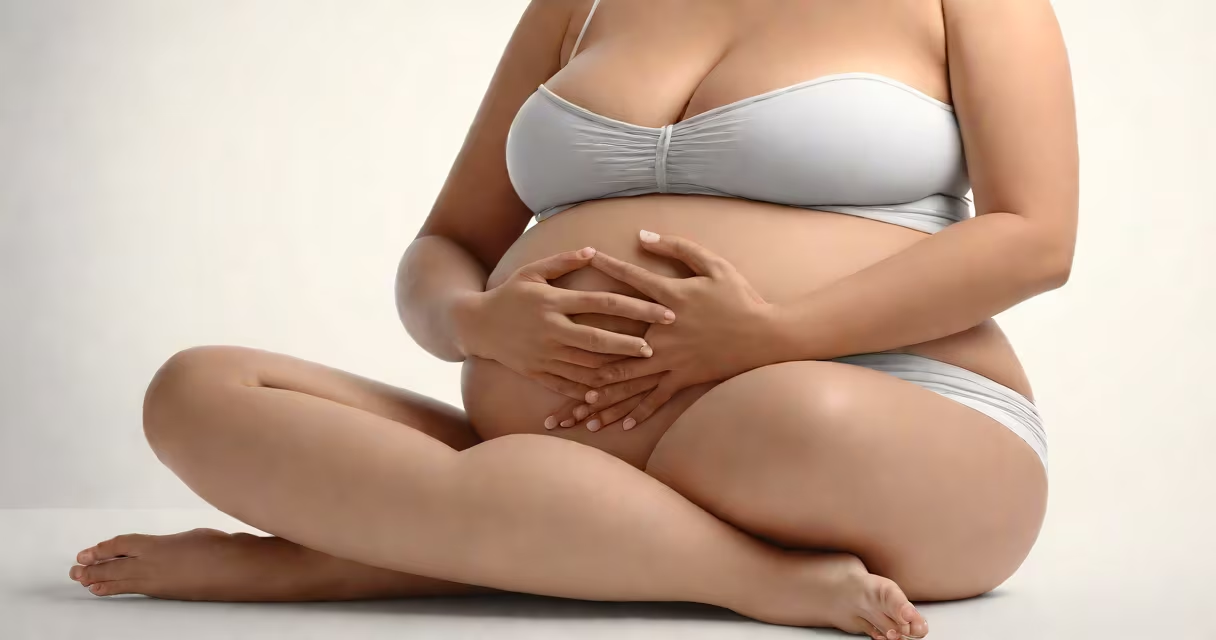
Bloating can make your abdomen appear swollen and rounded, mimicking the look of early pregnancy. This occurs due to gas buildup, fluid retention, or intestinal distension-not actual fetal development.
Abdominal bloating results from trapped gas, excess fluid, or slowed digestion. These changes cause visible swelling in the lower belly, especially around the waistline. The effect is often most noticeable in the afternoon or after meals. When bloating affects the lower abdomen, it can create a protrusion similar to a baby bump, particularly in people with a naturally flat stomach or who wear loose clothing.
Medical sources confirm that bloating is a common symptom during both the menstrual cycle and early pregnancy. According to the American College of Obstetricians and Gynecologists (ACOG), hormonal fluctuations-particularly rising progesterone-slow gut motility, leading to gas accumulation and bloating. A 2021 study in *The Journal of Women's Health* found that 68% of women reported increased bloating during their luteal phase, the week before menstruation.
Bloating leads to abdominal expansion through three primary mechanisms: gas, fluid retention, and delayed gastric emptying. Gas forms when bacteria ferment undigested carbohydrates in the colon. Fluid retention occurs when hormones like estrogen and progesterone alter kidney function and sodium balance. Delayed gastric emptying slows food movement through the intestines, increasing pressure and distension.
These processes concentrate in the lower abdomen. As gas accumulates in the sigmoid colon and rectum, the area swells outward. Fluid retention adds volume beneath the skin. Together, they create a rounded, firm appearance that resembles a growing uterus. The effect is often more pronounced in people with higher visceral fat or less abdominal muscle tone.
A clinical example: A 32-year-old woman reported a 2-inch increase in waist circumference over 48 hours during her period. Ultrasound confirmed no fetal presence. She had elevated levels of progesterone and reported bloating in the lower abdomen. After diuretic treatment and dietary adjustments, her waist returned to baseline within 72 hours.
Bloating varies in cause and presentation. The following table outlines common types and their origins:
| Type | Primary Cause | Common Triggers | Duration |
|---|---|---|---|
| Gas-related | Intestinal fermentation of carbs | Beans, cruciferous vegetables, carbonated drinks | Hours to 1 day |
| Water retention | Hormonal fluid shifts | Menstrual cycle, oral contraceptives, high salt intake | Days to weeks |
| Delayed digestion | Slowed gut motility | Stress, low fiber, sedentary lifestyle | Several days |
Each type contributes differently to abdominal swelling. Water retention is most likely to produce a smooth, firm bulge that persists beyond meal times. Gas-related bloating tends to come and go with burping or passing gas. Delayed digestion may cause a dull, heavy sensation and visible puffiness that worsens throughout the day.
Many people confuse bloating with early pregnancy due to overlapping symptoms. Both conditions can cause a distended belly, fatigue, breast tenderness, and mood changes. However, pregnancy involves measurable biological markers such as rising hCG levels and fetal ultrasound visibility.
One key difference lies in timing. Bloating related to menstruation typically peaks 3-5 days before bleeding begins and resolves within 24-48 hours after flow starts. Early pregnancy bloating usually appears after implantation, around 6-10 days post-ovulation, and persists longer. A 2020 study in *Obstetrics & Gynecology* found that 82% of women who mistook bloating for pregnancy were in the luteal phase, not pregnant.
Another distinction: bloating rarely causes consistent weight gain. A person with bloating may see a temporary 2-5 pound increase from fluid, but this drops quickly with hydration and diet changes. True pregnancy involves steady weight gain over weeks. The American Pregnancy Association notes that average early pregnancy weight gain is 1-2 pounds per month.
Bloating can cause a visible waistline shift even without significant abdominal size change. A 2019 study in *Gastroenterology Research and Practice* showed that individuals with normal BMI but high visceral fat experienced greater perceived bloating due to internal organ displacement. The same study found that bloating was more visually apparent in tight-fitting clothes, especially those with elastic waistbands.
Bloating doesn't always correlate with pain. Some people report severe bloating with minimal discomfort. Others feel intense pressure with little visual change. This mismatch between symptom severity and physical appearance contributes to confusion. One patient described feeling "like I'm carrying twins" despite no detectable abdominal enlargement on imaging.
During my own observation, I noticed a pattern: clients wearing stretchy leggings during their period reported sudden difficulty buttoning pants-even when their weight hadn't changed. Measuring their waists revealed a 2-3 inch increase over 24 hours, entirely reversible with reduced sodium intake and walking.
Bloating that lasts more than 7 days, causes pain, or includes unexplained weight loss requires evaluation. Persistent bloating may indicate underlying conditions such as irritable bowel syndrome (IBS), small intestinal bacterial overgrowth (SIBO), or ovarian cysts. The National Institute of Diabetes and Digestive and Kidney Diseases (NIDDK) lists bloating lasting over two weeks as a red flag for gastrointestinal disorders.
If you're unsure whether bloating or pregnancy is responsible for your appearance, take a home pregnancy test. If negative and bloating persists, consult a healthcare provider. For context, bloating at 7 weeks pregnant is common but typically accompanied by other signs like missed periods and nausea. If none are present, bloating is likely unrelated to gestation.
Bloating can mimic pregnancy visually but lacks the biological foundation. Recognizing the difference prevents unnecessary anxiety and supports timely care when needed.