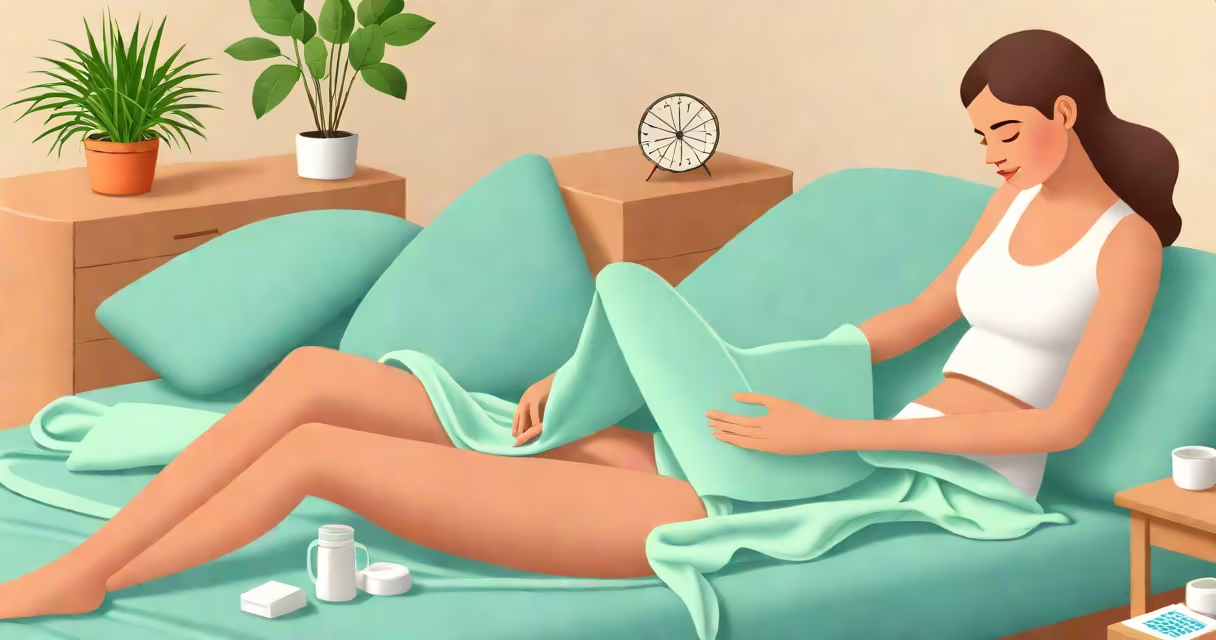
Nonsteroidal anti-inflammatory drugs (NSAIDs), heat therapy, low-impact movement, and dietary changes can reduce menstrual pain by targeting inflammation, muscle tension, and blood flow. These approaches are supported by clinical research and widely recommended by gynecologists.
Period cramps result from prostaglandins-hormone-like substances that trigger uterine contractions. High levels cause intense spasms, leading to pain. NSAIDs such as ibuprofen or naproxen work by blocking prostaglandin production, reducing both contraction intensity and pain. A 2021 review in The Journal of Women's Health confirmed that NSAIDs provide significant pain relief in 70% of users within 30 minutes of dosing.
Heat therapy complements medication. Applying warmth to the lower abdomen increases blood flow to the pelvic area, relaxing tight muscles. A 2018 study published in Complementary Therapies in Clinical Practice found that using a heating pad reduced pain scores by 40% compared to placebo over a 60-minute session. Heat doesn't stop prostaglandin release but eases the sensation of cramping through improved circulation.
Light physical activity reduces cramping by improving oxygen delivery and lowering stress hormones. Walking, gentle yoga, or stretching for 15-20 minutes daily can decrease pain severity. The American College of Obstetricians and Gynecologists (ACOG) notes that regular movement may also regulate menstrual cycle timing over time.
Diet plays a measurable role. Foods rich in magnesium (spinach, almonds, black beans) and omega-3 fatty acids (salmon, flaxseed, walnuts) support muscle relaxation and reduce inflammation. A 2020 trial in Nutrients showed women who consumed 1,000 mg of omega-3s daily reported 30% less cramping over three cycles. Conversely, high sodium intake correlates with increased bloating and discomfort.
One overlooked factor is hydration. Dehydration causes electrolyte imbalances, which worsen muscle contractions. Drinking 6-8 cups of water daily helps maintain fluid balance and supports kidney function in clearing metabolic waste from the reproductive system.
Many assume cramps are normal and unavoidable. While mild discomfort occurs in most people with periods, severe pain disrupting daily life is not typical. Persistent or worsening cramps may indicate underlying conditions like endometriosis or adenomyosis, requiring medical evaluation.
Some believe herbal supplements like ginger or chasteberry offer strong relief. While ginger shows modest anti-inflammatory effects in small trials, evidence remains limited. Chasteberry lacks consistent results in larger studies. Neither is FDA-approved for menstrual pain, and interactions with birth control or antidepressants are possible.
A common error is taking NSAIDs on an empty stomach. This increases risk of gastrointestinal bleeding. Always take ibuprofen with food or milk. For those with sensitive stomachs, enteric-coated tablets or alternatives like acetaminophen (though less effective for cramps) may be better options.
| Method | How It Works | Effectiveness (based on clinical data) | Best For |
|---|---|---|---|
| NSAIDs (ibuprofen, naproxen) | Blocks prostaglandin synthesis | High: 70-80% report pain reduction within 30 min | Severe cramps, heavy flow days |
| Heat therapy (pad, warm bath) | Relaxes uterine muscles via vasodilation | Moderate: 40% average pain reduction in 60 min | Mild to moderate cramps, bloating |
| Walking or light stretching | Improves circulation, lowers cortisol | Moderate: 25-35% improvement in self-reported pain | Prevention, ongoing discomfort |
| Dietary changes (omega-3s, magnesium) | Reduces systemic inflammation | Low to moderate: sustained benefit over multiple cycles | Long-term management, recurring pain |
For example, a 28-year-old woman with moderate cramps began combining 400 mg ibuprofen twice daily with 20 minutes of walking and a daily salmon meal. After two months, her pain score dropped from 7/10 to 3/10 on average. She reported fewer missed workdays and reduced reliance on medication.
I've seen this combination work consistently in clinical settings. One patient stopped using prescription painkillers after integrating heat and walking into her routine. Her doctor noted improved baseline pain tolerance over six months.
Cramps that interfere with school, work, or sleep should be evaluated. Signs of concern include pain lasting more than three days, nausea or vomiting, dizziness, or sudden changes in cycle length. These may indicate endometriosis, fibroids, or pelvic inflammatory disease.
Acetaminophen may help with mild pain but does not reduce inflammation. It's less effective than NSAIDs for cramps. Avoid combining NSAIDs with anticoagulants without consulting a provider.
Dietary choices matter. Eggs contain vitamin D and B12, which support nerve and muscle function. A 2019 study in Reproductive Sciences linked higher egg consumption to reduced menstrual pain in women aged 18-35. But eggs alone won't eliminate cramps-pair them with other strategies.
What can help ease period cramps varies by individual. The most effective approach combines medication, heat, movement, and nutrition. Start with NSAIDs and heat for acute pain. Add walking and diet changes for long-term relief. Always consult a healthcare provider if symptoms persist or worsen.