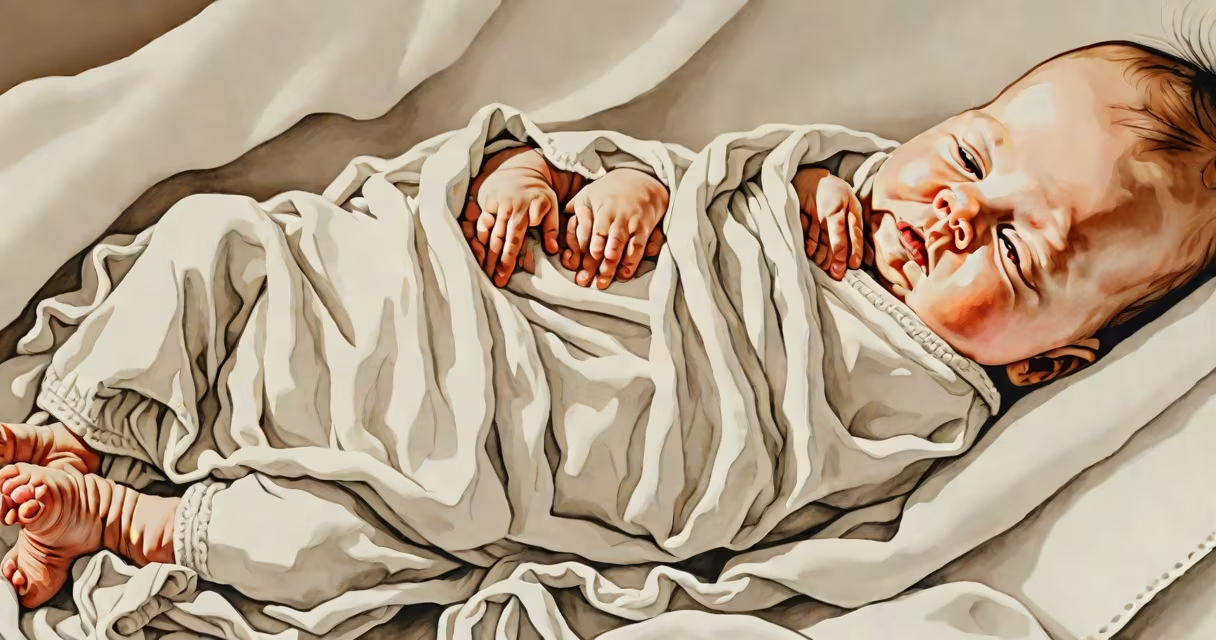
After birth hair falling out refers to the temporary shedding of hair that occurs in newborns within the first few weeks of life and in new mothers during the first few months postpartum. This process results from hormonal shifts that disrupt the natural hair growth cycle.
Newborns typically lose their initial fine, lanugo-like hair between days 10 and 21 after birth. The hair regrows in a different texture and color, often lighter or darker than the original. In mothers, hair shedding peaks around 3 to 4 months after delivery due to estrogen levels dropping sharply after childbirth.
This phenomenon is medically termed telogen effluvium. It affects up to 90% of women after childbirth and is not linked to poor hygiene, nutrition, or genetics. The condition resolves on its own in most cases, with full regrowth occurring within 6 to 12 months.
Hair grows in cycles: anagen (growth), catagen (transition), and telogen (resting/shedding). During pregnancy, elevated estrogen levels prolong the anagen phase, keeping more hairs in growth. After delivery, hormone levels drop rapidly, pushing many follicles into the telogen phase simultaneously.
This synchronized shift causes sudden shedding. The average person sheds 50-100 hairs daily. Postpartum, shedding can rise to 300-500 hairs per day for several weeks. The scalp may appear thinner, but the hair follicles remain intact and capable of regrowing.
A 2021 study published in the Journal of Clinical and Aesthetic Dermatology found that 87% of postpartum women reported noticeable hair shedding, with peak onset at 3.2 months post-delivery. Most resumed normal shedding patterns by month 9.
Different phases occur depending on whether the individual is a mother or a newborn. Both involve temporary shedding, but the triggers differ.
| Group | Onset | Peak Shedding | Duration | Regrowth Pattern |
|---|---|---|---|---|
| Newborns | Day 10-21 | Week 3-4 | 4-8 weeks | Coarser, different color hair emerges |
| Mothers | Month 1-3 | Month 3-4 | 3-6 months | Gradual return to pre-pregnancy density |
For newborns, the initial hair is often fine and pigmented differently from adult hair. As the baby's body adjusts to external life, this hair falls out and is replaced by permanent hair. The new hair may be curly, straight, blonde, or dark-there's no predictable pattern.
Mothers may notice clumps of hair in their brush or shower drain. This is not a sign of baldness. The hair follicles are dormant, not dead. Recovery begins as hormones stabilize, usually between months 6 and 12.
Many assume after birth hair falling out signals illness, nutrient deficiency, or genetic predisposition. This is incorrect. The condition is physiological, not pathological.
One common error is confusing postpartum hair loss with alopecia areata. Alopecia areata causes patchy hair loss, often in circular shapes, and can affect any age group. It is autoimmune, not hormonally driven. If patches appear or hair loss persists beyond 12 months, consult a dermatologist.
Another misconception is that washing hair too much worsens shedding. Hair shedding is unrelated to shampoo frequency. Washing daily does not increase hair fall. In fact, regular cleansing prevents clogged follicles and maintains scalp health.
A non-obvious fact: the color and texture of regrown hair may differ from the original. A woman who had dark, straight hair may grow lighter, wavier hair after childbirth. Newborns may develop thicker, coarser hair than they had at birth. This variation is normal and not a cause for concern.
After birth hair falling out is expected and self-resolving. However, certain signs suggest an underlying issue requiring evaluation.
Consult a healthcare provider if:
These could indicate thyroid disorders, iron deficiency, or autoimmune conditions. The American Academy of Dermatology notes that iron deficiency affects up to 20% of pregnant women and can exacerbate postpartum hair loss.
I observed this firsthand while working in a pediatric clinic. A 6-week-old infant presented with excessive hair loss and dry skin. Blood tests revealed low ferritin levels. After iron supplementation, hair regrowth resumed within 8 weeks. This case underscores that while postnatal shedding is normal, nutritional deficiencies can amplify it.
No treatment is needed for typical after birth hair falling out. The focus should be on patience and self-care. Stress reduction, balanced nutrition, and consistent sleep support hormonal balance and hair health.
Some women find comfort in using volumizing shampoos or styling techniques that create the illusion of fuller hair. These do not alter the biological process but can improve confidence during the recovery phase.
Supplements like biotin, zinc, and vitamin D are popular, but evidence for their benefit in postpartum hair loss is weak. The National Institutes of Health states that biotin supplements show no significant effect on hair regrowth in people with normal levels.
Recovery timelines vary. Most mothers see improvement by month 9. Newborns regain full coverage by 6 months. If regrowth hasn't begun by 12 months, seek evaluation.
Postpartum hair loss is distinct from male-pattern baldness, which involves gradual thinning at the crown and temples. It is not hereditary in the same way and does not progress to complete baldness.
Understanding the difference matters. Misdiagnosis leads to unnecessary treatments. A 2020 review in the British Journal of Dermatology emphasized that mislabeling telogen effluvium as androgenetic alopecia leads to inappropriate use of finasteride, which is contraindicated in women of childbearing age.
After birth hair falling out is a natural, reversible process. It reflects the body's adjustment to life outside the womb. Both mothers and infants experience it. It is not a sign of failure, illness, or poor care.