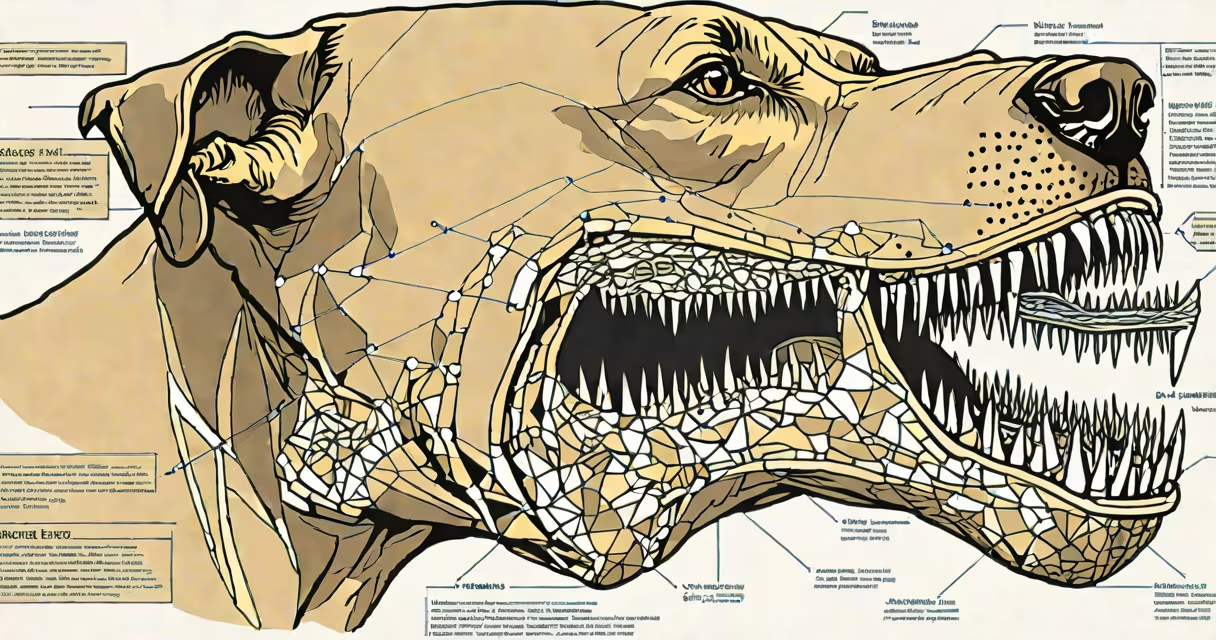
Dog breath that smells like fish often results from bacterial overgrowth in the mouth, particularly anaerobic bacteria breaking down proteins and producing volatile sulfur compounds such as hydrogen sulfide. This odor mimics the smell of rotting seafood and signals underlying oral or systemic health issues.
Oral bacteria thrive in low-oxygen environments like between teeth and under the gumline. When plaque builds up, these microbes metabolize food particles and dead tissue, releasing foul-smelling gases. Hydrogen sulfide-the compound responsible for rotten egg and fishy odors-is a known byproduct of proteolytic bacterial activity. A 2021 study in the Journal of Veterinary Dentistry confirmed that dogs with advanced periodontal disease had higher levels of volatile sulfur compounds in their breath compared to healthy controls.
Not all fishy odors originate in the mouth. Systemic conditions such as kidney failure, liver dysfunction, or gastrointestinal disorders can alter metabolic waste products excreted through the lungs, resulting in unusual breath scents. The presence of fishy breath alongside lethargy, weight loss, or changes in appetite warrants immediate veterinary evaluation.
Bacteria in a dog's mouth feed on residual food, dead cells, and blood from inflamed gums. As they break down proteins, they release sulfur-containing compounds. Hydrogen sulfide is detectable at concentrations as low as 0.0001 parts per million-far below human threshold sensitivity-making it easy for owners to miss early signs.
Plaque forms within 24 hours of eating. Left unchecked, it hardens into tartar, which provides a stable surface for bacteria to colonize. Tartar buildup increases the surface area available for microbial colonization and creates deeper pockets where oxygen-starved bacteria flourish. These anaerobic zones amplify the production of offensive gases.
A 2019 study published in Veterinary Microbiology analyzed breath samples from 120 dogs and found that 68% of those with visible tartar had breath with a distinct fishy or rotten odor. The study linked this to increased levels of Porphyromonas gingivalis and Treponema denticola, both associated with severe periodontitis.
While fishy breath is often due to poor oral hygiene, it can also stem from medical conditions. Distinguishing between dental and systemic causes is critical for proper treatment.
| Source | Odor Description | Associated Conditions | Diagnostic Clues |
|---|---|---|---|
| Advanced periodontal disease | Foul, fishy, or rotten meat smell | Gum recession, bleeding, loose teeth | Visible tartar, swollen gums, difficulty chewing |
| Kidney failure | Ammonia or fishy odor | Lethargy, vomiting, increased thirst | Elevated BUN and creatinine in blood work |
| Liver disease | Musty, sweet, fishy breath | Jaundice, seizures, poor appetite | Abnormal liver enzymes, coagulation issues |
| Gastrointestinal issues | Decaying food or fishy gas | Diarrhea, bloating, regurgitation | History of dietary indiscretion or pancreatitis |
Some owners mistake fishy breath for normal aging or breed-specific traits. However, no dog breed naturally produces fishy breath. The odor is always abnormal and indicates pathology. For example, brachycephalic breeds like Bulldogs have shorter airways and are prone to oral infections due to reduced airflow, increasing the risk of bacterial overgrowth.
One non-obvious fact: certain antibiotics, especially metronidazole, can cause a temporary fishy breath odor in dogs. This occurs because the drug alters gut microbiota, leading to increased sulfur-producing bacteria. Discontinuation usually resolves the issue within days. Always report new odors during medication use to your vet.
If your dog's breath consistently smells like fish, especially with other symptoms, consult a veterinarian. Early intervention prevents irreversible damage to teeth and gums and can catch systemic diseases before they progress.
I once observed a 7-year-old Labrador with persistent fishy breath and weight loss. Initial dental cleaning revealed severe periodontitis and a fractured molar. Bloodwork later confirmed stage 3 chronic kidney disease. After treatment, breath improved, though the fishy component returned briefly after a meal high in protein. This case illustrates how oral health and systemic function are deeply interconnected.
Do not rely solely on home remedies. Chewing bones, rawhide, or commercial dental chews may reduce plaque but do not eliminate existing tartar or treat underlying infection. Professional dental cleanings under anesthesia are required to remove subgingival tartar and assess gum health.
Understanding why dog breath smells like fish is essential for early diagnosis. Addressing the root cause-whether dental, gastrointestinal, or systemic-can prevent pain, tooth loss, and life-threatening complications. Regular check-ups and proactive dental care are key to maintaining your dog's long-term health.