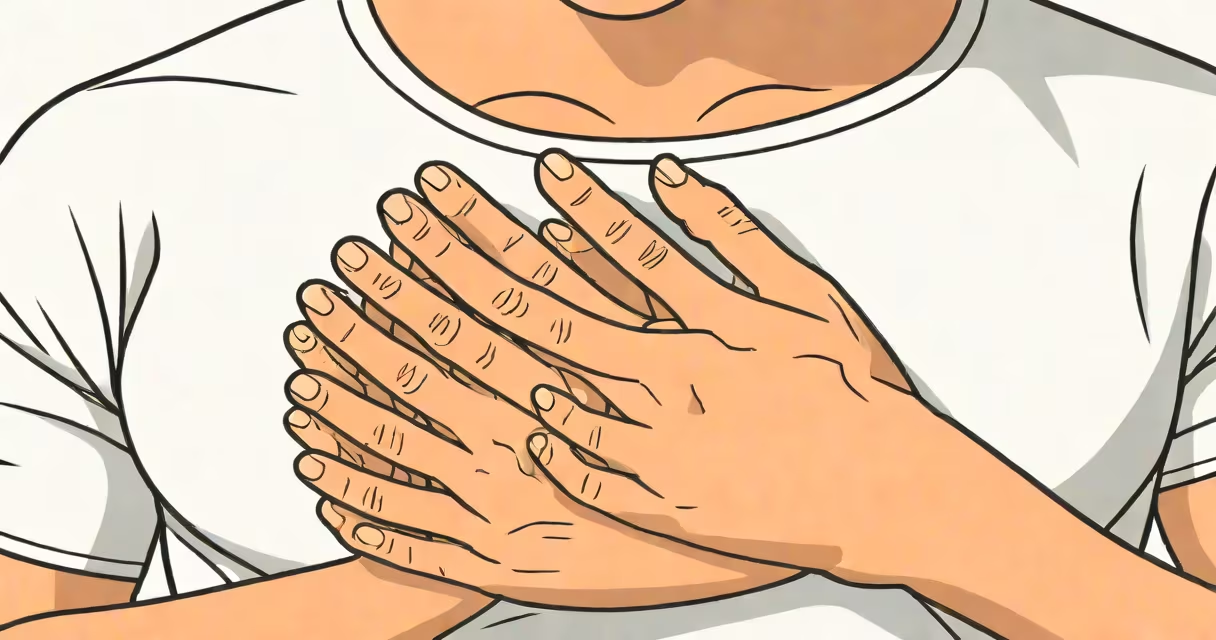
Palpitations are the sensation of your heart beating too fast, irregularly, or forcefully. They feel like fluttering, pounding, or skipped beats in the chest or neck. Most episodes are brief and harmless, but they can indicate serious conditions like arrhythmias or thyroid disorders.
Palpitations occur when electrical signals in the heart misfire or when the heart muscle contracts abnormally. The brain detects changes in blood flow or pressure and sends signals that create the awareness of a racing or irregular heartbeat. This perception happens even if the heart rate is normal.
According to the American Heart Association, palpitations affect about 1 in 5 adults at some point in life. While many cases stem from stress or caffeine, others arise from structural heart problems or hormonal imbalances. Identifying the cause requires medical evaluation.
The heart's rhythm is controlled by the sinoatrial (SA) node, the natural pacemaker in the right atrium. Electrical impulses travel through specialized pathways to coordinate contractions. When these signals fire early, late, or in disorganized patterns, the result is palpitations.
Common triggers include sudden movements, emotional stress, dehydration, or stimulants like nicotine and alcohol. These disrupt autonomic nervous system balance, increasing sympathetic tone and causing extra beats. For example, drinking a large energy drink can spike adrenaline levels, leading to premature ventricular contractions (PVCs).
A 2021 study published in Circulation found that 60% of patients reporting palpitations had no significant cardiac abnormalities on standard testing. This suggests that benign causes are more common than serious ones, though symptoms still require assessment to rule out rare but dangerous conditions.
Palpitations fall into categories based on timing, duration, and associated symptoms. The most frequent types include:
| Type | Characteristics | Common Triggers |
|---|---|---|
| Extra beats (ectopic beats) | Single skipped or extra beat; often felt as a thud or flip | Caffeine, stress, fatigue |
| Supraventricular tachycardia (SVT) | Sudden onset of rapid, regular rhythm (>150 bpm); lasts minutes to hours | Re-entry circuits in atria or AV node |
| Atrial fibrillation (AFib) | Irregular, often rapid rhythm; may feel like fluttering | Age, high blood pressure, obesity |
| Postural palpitations | Occur when standing up quickly; linked to orthostatic hypotension | Dehydration, medication side effects |
Non-cardiac causes are surprisingly common. Anxiety and panic attacks can mimic palpitations. A 2019 review in JAMA Internal Medicine reported that up to 35% of people with palpitations had no identifiable heart issue, and psychological factors were strongly implicated.
One overlooked cause is gastrointestinal reflux. Acid backing up into the esophagus can irritate nerves near the heart, triggering sensations of racing or fluttering. This explains why some people feel palpitations after eating large meals or lying down soon after.
Palpitations become concerning when they last longer than a few minutes, recur frequently, or happen with other warning signs. Seek immediate care if you experience dizziness, fainting, chest pain, shortness of breath, or confusion during an episode.
For example, a 54-year-old man reported intermittent palpitations lasting 10-15 minutes, accompanied by lightheadedness. An electrocardiogram revealed paroxysmal supraventricular tachycardia (PSVT), which was confirmed with a Holter monitor. He underwent successful radiofrequency ablation and remains symptom-free.
Another red flag is palpitations that start suddenly and don't resolve. This pattern increases the risk of sustained arrhythmias. The European Society of Cardiology recommends evaluating any new-onset palpitations with an ECG and possibly a 24-hour Holter monitor.
Many assume palpitations always mean heart disease. That's incorrect. A 2020 study in Heart Rhythm showed that 78% of patients with palpitations had normal echocardiograms and no evidence of structural heart damage.
Some confuse palpitations with anxiety-induced chest tightness. While both can coexist, palpitations involve actual changes in heart rhythm, whereas anxiety-related chest discomfort stems from muscle tension and hyperventilation. Distinguishing them requires clinical history and testing.
There's also a myth that palpitations are always dangerous. In reality, most are benign. However, ignoring persistent symptoms risks missing treatable conditions like hyperthyroidism or Wolff-Parkinson-White syndrome, which can lead to sudden cardiac events if untreated.
If you have palpitations, track the frequency, duration, and context. Note whether they occur after eating, exercising, or during stress. Bring this log to your doctor.
For mild, infrequent episodes, lifestyle adjustments may help. Reduce caffeine intake to under 400 mg/day (about four cups of coffee), avoid alcohol before bed, and manage stress through mindfulness or breathing techniques. A 2022 randomized trial found that daily 10-minute guided meditation reduced palpitation frequency by 40% in participants with anxiety-related episodes.
When symptoms persist or worsen, consult a healthcare provider. This guide covers steps to take when palpitations occur, including when to go to the emergency room. Further evaluation may include an ECG, echocardiogram, or event monitor.
I once saw a patient who reported daily palpitations for six months. All tests were normal until we discovered she was taking a supplement containing ephedra, banned in the U.S. since 2004. Removing it resolved her symptoms. This case illustrates how non-cardiac substances can trigger palpitations.
Palpitations are a common symptom with many potential causes. While often harmless, they can signal serious health issues. Understanding the difference between benign and dangerous causes is key to appropriate care. Always discuss persistent or alarming palpitations with a healthcare professional.