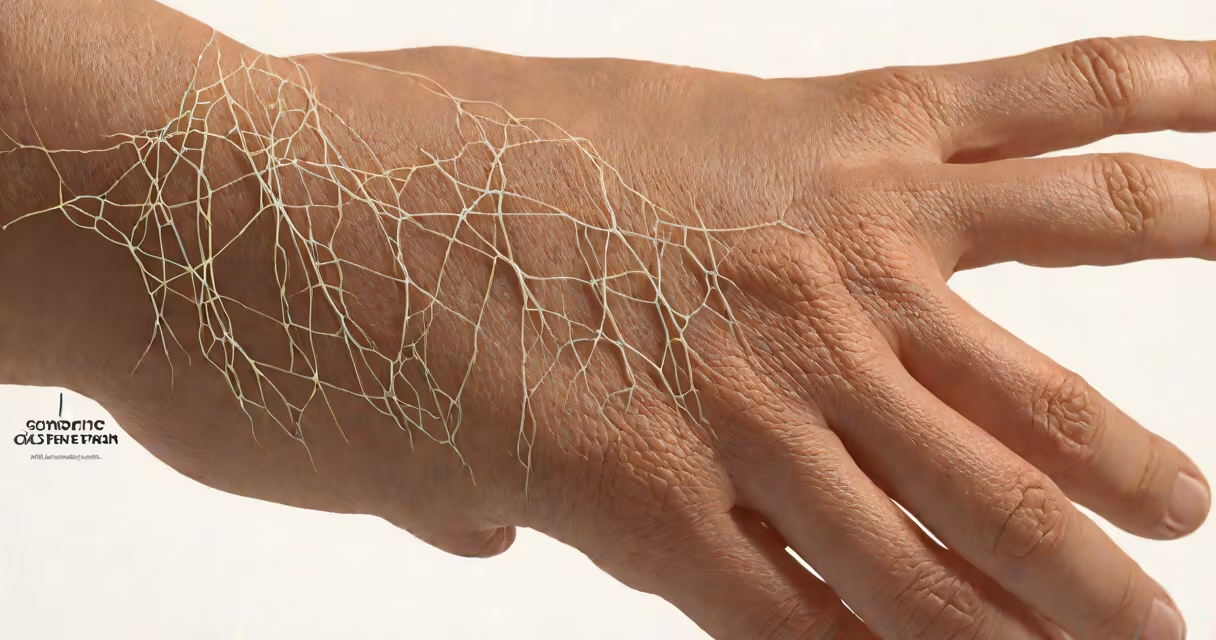
Itching, or pruritus, is a sensory signal generated when nerve fibers in the skin detect irritation, inflammation, or changes in the environment. This signal travels through the spinal cord to the brain, triggering the urge to scratch. It's not a single sensation but a complex neurological response rooted in evolutionary defense mechanisms.
The process begins when specialized nerve endings called C-fibers detect stimuli such as insect bites, dryness, chemicals, or internal conditions like liver disease. These fibers transmit signals via the dorsal horn of the spinal cord to the thalamus and then to the somatosensory cortex and limbic system in the brain. The brain interprets the input as "itch" and generates the behavioral urge to scratch, which may temporarily relieve discomfort by stimulating competing nerve pathways.
According to the National Institute of Neurological Disorders and Stroke (NINDS), itching is distinct from pain, though both use similar neural circuits. While pain warns of tissue damage, itch evolved to prompt removal of foreign agents-like parasites or irritants-before they cause harm. A 2021 study published in Nature Neuroscience identified specific neurons in the mouse spinal cord that selectively respond to itch-inducing compounds, confirming that itch has dedicated neural wiring rather than being a variant of pain.
When a mosquito lands on your arm, its saliva contains proteins that trigger immune cells to release histamine. Histamine binds to receptors on nearby C-fibers, causing them to fire electrical impulses. These impulses travel up the spinal cord along the spinothalamic tract, bypassing pain pathways in early stages. The signal reaches the brain's parietal lobe, where location is processed, and the anterior cingulate cortex, which assigns emotional weight-often frustration or urgency.
Scratching activates mechanoreceptors in the skin that send faster signals to the spinal cord. These signals interfere with itch transmission through a process called "gate control theory," where non-painful input blocks pain and itch signals at the spinal level. This explains why scratching provides temporary relief-even though it often worsens inflammation later.
A 2019 clinical review in JAMA Dermatology noted that chronic itch affects over 10% of adults in the U.S., often linked to underlying conditions such as eczema, psoriasis, kidney failure, or neuropathy. Persistent scratching damages the skin barrier, leading to infection risk and worsening symptoms-a cycle known as the itch-scratch cycle.
Itch can originate externally or internally. External triggers include contact with allergens (e.g., poison ivy), insect bites, dry air, or chemical irritants like soaps and detergents. Internal causes involve systemic diseases, medication side effects, or nervous system disorders.
| Type | Common Causes | Duration | Example |
|---|---|---|---|
| Acute | Insect bites, minor burns, dry skin | Less than 6 weeks | Itching after sunburn |
| Chronic | Eczema, psoriasis, liver disease, nerve damage | More than 6 weeks | Itch from shingles nerve pain |
| Neuropathic | Post-herpetic neuralgia, multiple sclerosis | Persistent | Itch in limbs after spinal injury |
One non-obvious distinction: not all skin rashes are itchy. Some conditions, like vitiligo or certain forms of melanoma, may present with color changes without itching. Conversely, some intensely itchy conditions-such as scabies-may show minimal visible signs until advanced.
People often assume that itch equals allergy or infection. But many cases stem from neurological misfiring. For example, phantom limb itch occurs in amputees who report persistent itching in a missing limb-proof that itch can exist independently of skin stimulation.
Another misconception is that scratching always relieves itch. In reality, it disrupts the skin's lipid barrier, increases inflammation, and can lead to thickened, discolored skin (lichenification). A 2020 study in British Journal of Dermatology found that patients with chronic eczema who scratched daily had twice the rate of bacterial colonization compared to those who refrained.
I once observed a patient with unexplained leg itch that persisted despite antihistamines and steroid creams. After a dermatology referral, a nerve conduction test revealed small fiber neuropathy. Once treated with gabapentin, the itch resolved within three weeks. This confirmed that not all itch originates in the skin-it can be a neurological red flag.
Itch can be a symptom of systemic illness. Elevated bilirubin levels in liver disease activate bile acid receptors on skin nerves, triggering itch even without rash. Similarly, uremic pruritus affects up to 40% of dialysis patients due to buildup of waste products in blood.
Medications also cause itch. Opioids, statins, and some antibiotics are known culprits. The FDA lists pruritus as a common side effect in over 150 drugs, including some antidepressants and antipsychotics.
Why do we itch? Because our nervous system evolved to detect threats to the skin and initiate protective behaviors. The sensation is not just a nuisance-it's a important alarm system. Understanding the difference between acute and chronic itch, recognizing warning signs, and avoiding excessive scratching are key steps in managing this universal yet misunderstood experience.