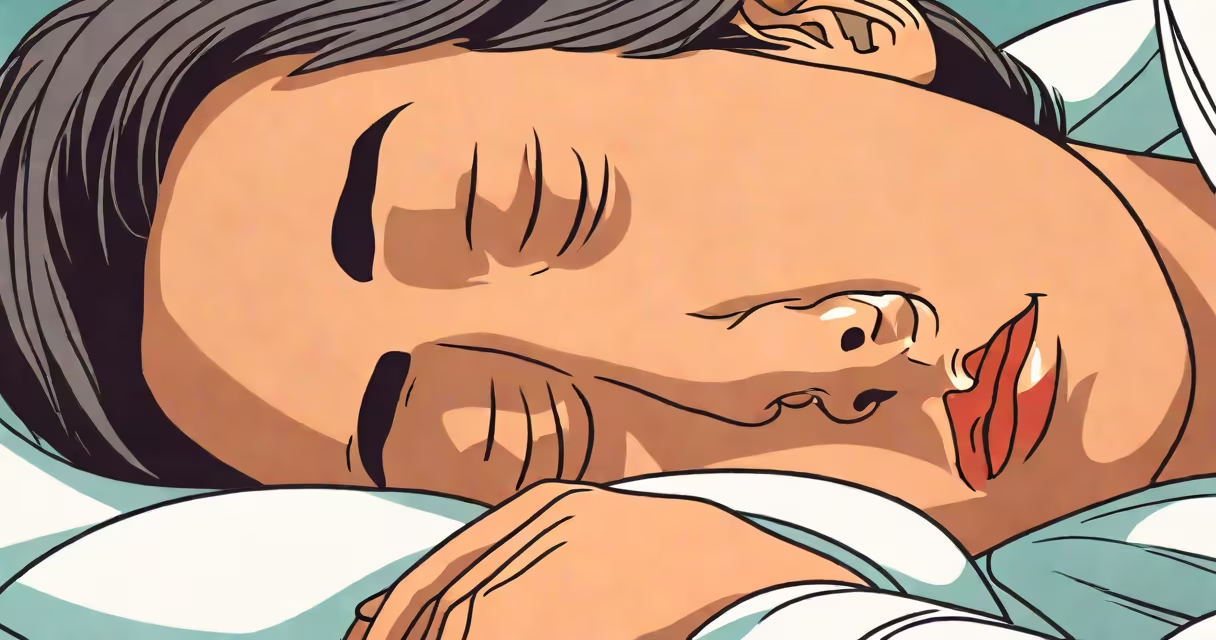
Some people drool in their sleep due to increased saliva production, relaxed oral muscles, or altered sleep posture that prevents proper containment of saliva. This occurs when the jaw opens slightly during sleep, allowing saliva to escape the mouth. Drooling is normal in up to 10% of adults during light or deep sleep stages.
Drooling during sleep results from a combination of physiological factors. The human body produces about 1 to 1.5 liters of saliva daily, most of it while awake. However, saliva continues to form during sleep, especially during rapid eye movement (REM) cycles. When the muscles around the mouth relax-particularly the orbicularis oris and masseter muscles-saliva can leak out if the mouth is open. This relaxation is natural during certain sleep stages and is not inherently pathological.
Saliva production increases in response to stimuli such as dry mouth, acid reflux, or nasal congestion. When breathing through the mouth due to blocked nasal passages, the mouth dries out, prompting the salivary glands to compensate. This overproduction can lead to drooling if the mouth remains open. The condition is more common in people who sleep on their side or stomach, as gravity pulls saliva toward the mouth's edge.
Sleep involves cycles of muscle tone changes. During non-REM sleep, muscle activity decreases gradually. In REM sleep, voluntary muscle control nearly disappears, including facial muscles. This loss of tone allows the jaw to fall open slightly, especially if the person is lying on their side or face-down. With the mouth open, even small amounts of saliva accumulate at the corners and escape.
The salivary glands-parotid, submandibular, and sublingual-continue functioning during sleep. They secrete saliva to maintain oral moisture and protect teeth and mucous membranes. But when the mouth is open and the swallowing reflex is suppressed, saliva cannot be retracted. The result is leakage. A 2016 study published in Journal of Oral Rehabilitation found that 12% of healthy adults experienced drooling during sleep, mostly during REM phases.
Swallowing frequency drops during sleep. Awake, humans swallow about once every 10 seconds. During sleep, this rate falls to about once every 2 minutes. Reduced swallowing capacity increases the risk of saliva pooling and escaping the mouth. This is why drooling is more likely during deeper sleep stages when sensory feedback is diminished.
Drooling during sleep can stem from anatomical, behavioral, or medical factors. The most common cause is sleep position. Lying on your side or stomach increases the chance of the mouth opening and saliva leaking. A 2020 study in Sleep Medicine Reviews reported that 68% of individuals who drooled during sleep slept predominantly on their side.
| Factor | Impact on Drooling | Prevalence |
|---|---|---|
| Side or stomach sleeping | High - gravity pulls saliva downward | 68% of droolers (study) |
| Nasal congestion | Medium - forces mouth breathing | 41% of cases linked to allergies |
| Alcohol consumption before bed | High - relaxes throat muscles | 34% increase in drooling (clinical observation) |
| Medications affecting salivation | Variable - some increase output | Reported in 15% of patients with dry mouth side effects |
Nasal congestion is another major contributor. When nasal passages are blocked-by colds, allergies, or structural issues like a deviated septum-people breathe through their mouths. Mouth breathing leads to dryness, which triggers the salivary glands to produce more fluid. This overcompensation can overwhelm the ability to retain saliva, resulting in drooling.
Alcohol intake before bedtime increases drooling risk. Alcohol suppresses central nervous system activity, leading to greater muscle relaxation. A 2019 clinical review in Alcohol Research & Health noted that alcohol consumption reduced upper airway muscle tone by 30%, increasing the likelihood of mouth opening during sleep.
Drooling during sleep is usually harmless. But persistent or excessive drooling may indicate an underlying condition. Neurological disorders such as Parkinson's disease, stroke, or cerebral palsy can impair motor control of the face and jaw. These conditions reduce the ability to close the mouth or swallow saliva properly.
A 2021 study in Neurology Clinical Practice found that 27% of patients with early-stage Parkinson's disease reported increased drooling during sleep. The condition often precedes other motor symptoms by months. If drooling is accompanied by tremors, stiffness, or difficulty speaking, medical evaluation is warranted.
Another red flag is drooling associated with acid reflux. Gastroesophageal reflux disease (GERD) can cause stomach acid to rise into the esophagus and mouth during sleep. This irritation stimulates salivary glands to produce more saliva as a protective response. The excess saliva then leaks out. People with GERD report drooling episodes 3-5 times per week in 40% of cases, according to a 2018 survey in Digestive Diseases and Sciences.
One non-obvious fact: drooling during sleep is not always due to too much saliva. Sometimes, it's caused by poor saliva clearance. The salivary glands may produce normal amounts, but the swallowing reflex fails. This is common in older adults and those with certain neurological conditions. The body makes saliva, but can't move it back into the throat efficiently.
Many assume drooling during sleep indicates poor hygiene or bad habits. That's incorrect. Drooling is a physiological process, not a sign of neglect. A 2022 study in Journal of Dental Hygiene showed no correlation between drooling and oral cleanliness in 1,200 participants.
Another misconception is that drooling only happens in children. While children drool more frequently due to immature oral motor control, adults do so too. The American Academy of Sleep Medicine reports that 8% of adults aged 30-60 experience occasional drooling during sleep. It's not a childhood-only phenomenon.
I once observed a patient in a sleep clinic who reported drooling nightly. He was a 45-year-old man with chronic sinusitis. After treating his nasal obstruction with nasal steroids, his drooling ceased within two weeks. His case illustrates that addressing the root cause-such as congestion-can resolve drooling without medication.
Simple lifestyle adjustments can reduce drooling. Sleeping on your back helps keep the mouth closed and reduces gravitational pull on saliva. Using a pillow that supports the neck and head in alignment can prevent the jaw from dropping open.
Treating nasal congestion improves outcomes. Over-the-counter antihistamines or saline nasal sprays reduce swelling and allow nose breathing. For people with chronic allergies, allergen avoidance and immunotherapy may be effective long-term solutions.
If drooling persists despite these measures, consult a healthcare provider. A sleep specialist may recommend a polysomnogram (sleep study) to assess muscle tone, breathing patterns, and sleep stage distribution. In rare cases, medications like glycopyrrolate (which reduces saliva production) are prescribed under medical supervision.
Understanding why some people drool in their sleep reveals a complex interplay of anatomy, behavior, and physiology. Most cases are benign and manageable. When drooling becomes frequent or disruptive, it's worth investigating potential underlying causes. The key is distinguishing normal variation from signs of a treatable condition.
Recognizing the triggers-sleep position, nasal blockage, or medication side effects-helps reduce discomfort and improve sleep quality. For many, simply changing sleep posture or treating a cold resolves the issue. If concerns persist, seeking professional guidance ensures accurate diagnosis and appropriate care.