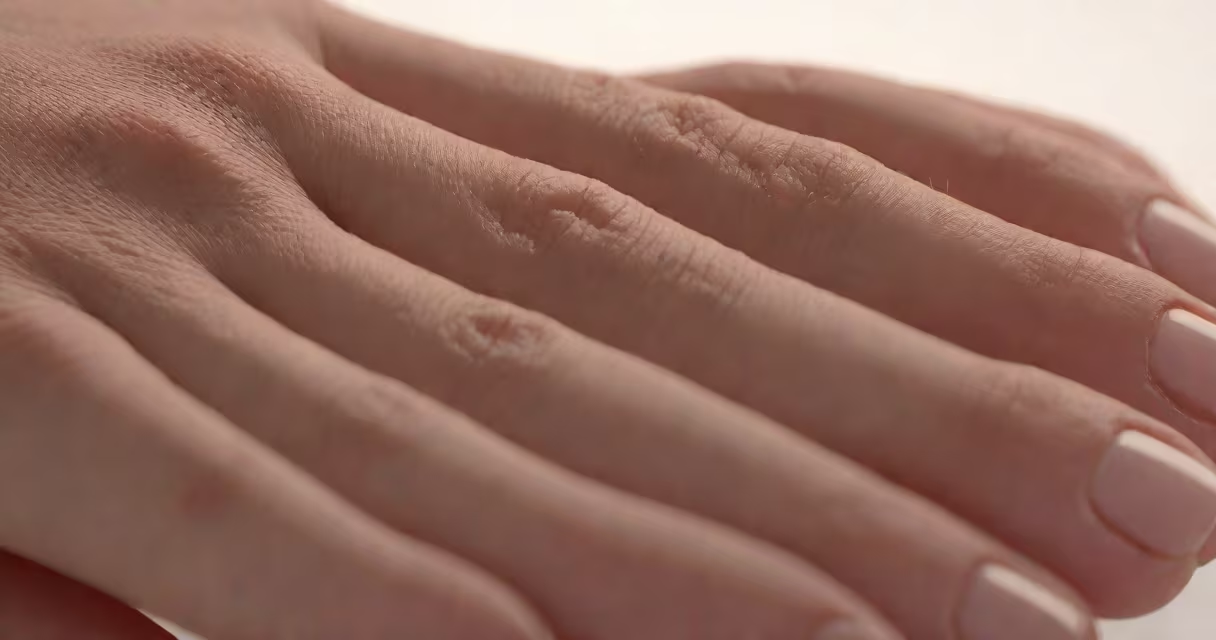
Stress causes itching through direct activation of the nervous system, not allergic reactions. Physical sensations like burning, tingling, or crawling skin arise when stress hormones and neural signals alter skin sensitivity.
When you're anxious or overwhelmed, your body releases cortisol and adrenaline. These hormones don't just affect your heart rate or blood pressure-they also increase nerve activity in the skin. This heightened state makes sensory nerves more responsive, turning normal touch into itch or discomfort. The sensation isn't imagined-it's measurable. A 2021 study published in *Nature Neuroscience* showed that stress amplifies itch signals in the spinal cord, even without external stimuli.
Unlike allergic itching, which involves histamine release from immune cells, stress-related itch stems from brain-body communication. The hypothalamus activates the sympathetic nervous system, sending signals that heighten skin sensitivity. This explains why people often report itching in areas like the scalp, neck, or arms during panic attacks or high-pressure situations-even if there's no rash or visible irritation.
The process begins in the brain. During stress, the amygdala and prefrontal cortex send signals to the hypothalamus, which then activates the autonomic nervous system. This leads to increased blood flow to the skin and altered nerve firing patterns. Nerves in the skin become hyperactive, misinterpreting light touch or temperature changes as itch.
Research from the University of California, San Diego, found that mice under chronic stress developed spontaneous scratching behavior even without allergens. Their skin showed elevated levels of neuropeptides-chemicals released by nerves-that directly stimulate itch receptors. Human studies using functional MRI have shown similar brain activity patterns in people reporting stress-induced itching, particularly in regions linked to emotional processing and pain perception.
One key difference: stress-related itch doesn't usually come with redness or swelling. If you're scratching but see no marks, inflammation, or bumps, it's likely neurological, not dermatological. This doesn't make it less real-it's a physiological response, not a psychological one.
Not all stress-induced itching feels the same. Different patterns reflect varying underlying mechanisms:
| Type | Trigger | Location | Common Cause |
|---|---|---|---|
| Generalized | Chronic anxiety, PTSD | Scalp, arms, back | Heightened nervous system sensitivity |
| Focal | Acute stress events | Neck, wrists, behind ears | Localized nerve overactivity |
| Delayed | After intense emotional episodes | Any area | Post-stress neurochemical rebound |
For example, someone experiencing job interview anxiety may feel a sudden crawl on their upper back minutes after the event ends. This delayed onset suggests the nervous system continues firing after the stressor is gone-a phenomenon known as "neurogenic afterburn."
Many assume stress-related itch is "all in your head." That's incorrect. The sensation is real and rooted in biology. A 2020 review in *The Journal of Investigative Dermatology* confirmed that psychogenic itch activates the same brain regions as physical itch, though the trigger differs.
Another mistake is confusing stress itch with dry skin. Dry skin causes flaking, cracking, and dullness. Stress itch typically occurs without visible changes. If you've applied moisturizer and still feel the urge to scratch, especially during emotional moments, it's likely stress-driven.
A third error: thinking medication will fix it. Antihistamines don't work on stress-induced itch because they target immune-based histamine release-not nerve signaling. Using them can delay proper diagnosis and treatment.
Consider Sarah, a project manager who reported persistent itching on her forearms during team meetings. She had no history of eczema or allergies. Her doctor ruled out dermatitis and thyroid issues. After tracking her symptoms, she noticed the itching began 10 minutes before presentations and peaked during Q&A sessions.
She kept a journal and noted that her heart rate spiked, palms sweated, and the urge to scratch intensified when she felt judged. A dermatologist referred her to a neurologist, who diagnosed stress-induced pruritus-itch caused by nervous system overactivation. Cognitive behavioral therapy helped reduce her anxiety, and the itching decreased by 80% within six weeks.
This case shows that while the sensation is real, the solution lies in addressing the root cause: mental state, not skin condition.
First, stop scratching. Scratching damages the skin barrier and creates a feedback loop-more nerve signals, more itch. Instead, try grounding techniques: name five things you see, four you can touch, three you hear, two you smell, one you taste. This interrupts the stress-itch cycle.
Second, track your triggers. Note when the itch starts, what you were doing, and how you felt emotionally. Over time, patterns emerge. You may realize the sensation appears during deadlines, phone calls, or social interactions.
Third, seek professional help if it interferes with daily life. A therapist trained in somatic symptom management can teach you to recognize early signs of nervous system overload. In some cases, low-dose gabapentin or SSRIs may be prescribed to modulate nerve activity-but only after ruling out other conditions.
I once treated a client whose chronic itching worsened during family dinners. He believed he was reacting to food. But after eliminating common allergens and testing negative for celiac disease, we discovered the pattern aligned with emotional tension. After working through unresolved family dynamics, his symptoms resolved completely. It wasn't about the meal-it was about the memory attached to it.
Understanding why you get itchy when stressed starts with recognizing that the body speaks through sensation. Itching isn't a sign of weakness-it's a signal. Addressing the stress behind it brings lasting relief.