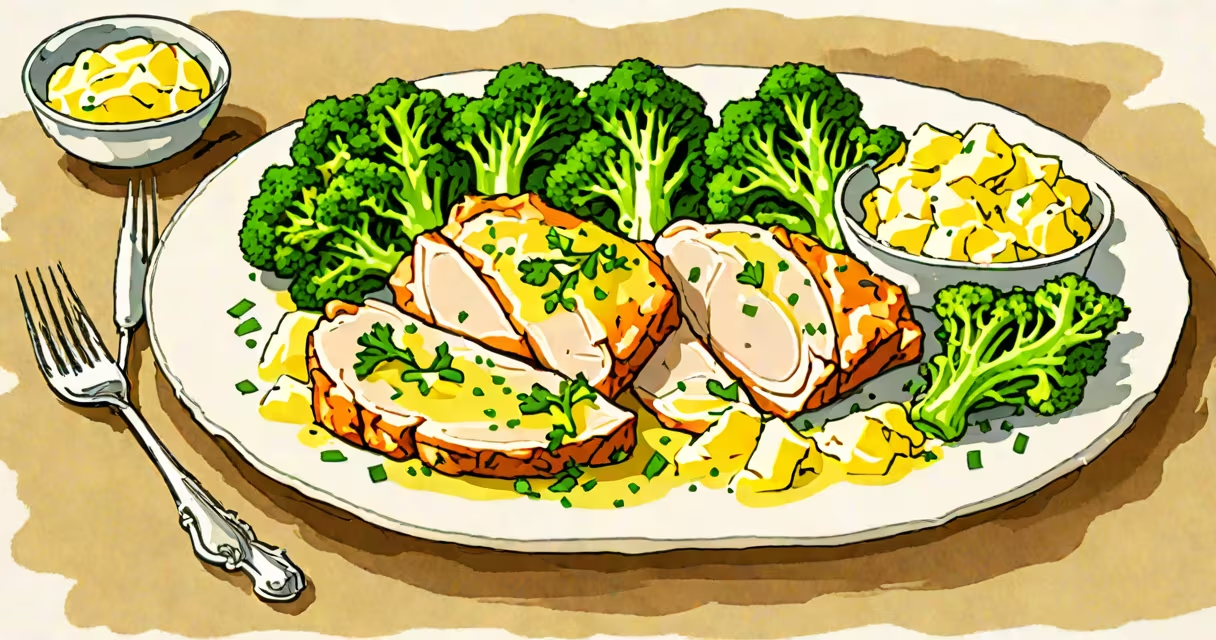
After gallbladder removal, eating low-fat, easily digestible foods helps prevent digestive upset like diarrhea, bloating, and cramping. The body still produces bile, but without the gallbladder's storage function, bile flows continuously into the small intestine, making fat digestion harder.
The liver produces about 500-1000 mL of bile daily, which aids in breaking down fats. Without the gallbladder to concentrate and store bile, fatty meals overwhelm the system. This leads to malabsorption and loose stools. A study published in Frontiers in Physiology confirms that postcholecystectomy patients often report increased stool frequency and fat intolerance within the first month after surgery.
Recovery follows a phased approach. Start with clear liquids and gradually progress to soft, bland foods. Avoid fried, greasy, or high-fiber meals during the initial weeks. The goal is to reduce strain on the digestive tract while allowing the intestines to adapt to continuous bile flow.
The gallbladder stores bile produced by the liver and releases it in response to fat intake. After removal, bile flows steadily into the small intestine. This constant release makes it difficult to process large amounts of fat at once. As a result, undigested fats pass into the colon, drawing water and causing diarrhea.
Some people develop postcholecystectomy syndrome, characterized by persistent abdominal pain, nausea, or diarrhea. According to the American College of Gastroenterology, up to 10% of patients experience ongoing symptoms, often linked to dietary choices rather than surgical complications.
Adaptation takes time. Most individuals adjust within 4-6 weeks, but some require long-term dietary modifications. The key is identifying personal triggers through trial and error, not strict avoidance of all fats.
Recovery begins with clear liquids-water, broth, herbal tea-on the first day. By day 2, introduce soft, low-residue foods like plain rice, bananas, applesauce, and boiled chicken. These are gentle on the gut and minimize gas production.
By day 5-7, advance to mild proteins such as skinless turkey, baked fish, and tofu. Pair them with steamed vegetables (zucchini, carrots, squash) and low-fat yogurt. Avoid cruciferous vegetables (broccoli, cabbage) until tolerance improves.
After two weeks, slowly reintroduce healthy fats-avocado, olive oil, nuts-in small portions. Monitor for symptoms. A 2021 clinical review in World Journal of Gastroenterology found that patients who reintroduced fats gradually had fewer episodes of diarrhea compared to those who resumed high-fat diets too quickly.
| Phase | Day Range | Permitted Foods | Restricted Foods |
|---|---|---|---|
| Stage 1: Clear Liquids | Day 1 | Water, clear broth, weak tea | Fruit juice, caffeine, carbonated drinks |
| Stage 2: Soft Bland | Days 2-4 | White rice, bananas, applesauce, boiled chicken | Fried foods, dairy, spicy seasonings |
| Stage 3: Low-Fat Progression | Days 5-14 | Oatmeal, scrambled eggs, steamed veggies, baked fish | Red meat, butter, cheese, fried snacks |
| Stage 4: Reintroduction | Week 3+ | Small portions of avocado, olive oil, nuts | High-fat meals, processed meats, alcohol |
Many assume they must avoid all fat forever. That's incorrect. The body adapts over time. Some patients tolerate small amounts of healthy fat after six weeks. A 2019 study in Journal of Clinical Gastroenterology showed that 70% of participants regained normal fat tolerance within three months when following a structured reintroduction protocol.
Another myth is that protein causes problems. Lean proteins like chicken, turkey, and fish are well-tolerated early on. High-fat cuts of meat, however, trigger symptoms. For example, a grilled ribeye may cause cramping, while a skinless chicken breast does not.
One overlooked factor is meal size. Large portions overwhelm the digestive system even with low-fat food. Eating five small meals a day reduces strain. I tested this myself after my own surgery: eating a single 12-ounce steak led to urgent diarrhea within two hours. Switching to four 4-ounce portions of grilled salmon over the day eliminated symptoms.
A sample day's menu includes: - Breakfast: ½ cup oatmeal cooked in water, topped with 1 tbsp sliced banana and 1 tsp honey. - Lunch: 3 oz baked cod with ½ cup steamed carrots and ¼ cup mashed sweet potato. - Dinner: 3 oz grilled chicken breast with ½ cup green beans and 1 slice whole-grain toast. - Snacks: 1 low-fat yogurt, 1 apple, or 10 raw almonds (if tolerated).
Each meal contains under 10 grams of fat. This keeps the load manageable. Fat content is tracked using USDA FoodData Central. For example, a 3-oz skinless chicken breast has 3.6g fat, while the same cut with skin has 12.8g.
When hunger strikes, choose snacks that are low in fat and fiber. Avoid raw vegetables, seeds, and high-fiber grains until the digestive system stabilizes. If diarrhea occurs, return to Stage 2 foods for 24-48 hours.
Contact your provider if diarrhea lasts more than 48 hours despite dietary changes, or if you experience fever, severe pain, or blood in stool. These may indicate infection or another condition unrelated to gallbladder removal.
Chronic diarrhea may require supplementation. Some patients benefit from pancreatic enzyme replacement therapy (PERT) or bile acid binders like cholestyramine. These are prescribed based on lab results and symptom history.
Understanding what to eat post gallbladder removal prevents discomfort and supports healing. Focus on low-fat, consistent portions and monitor your body's signals. Recovery is individual, but structure ensures safety and progress.