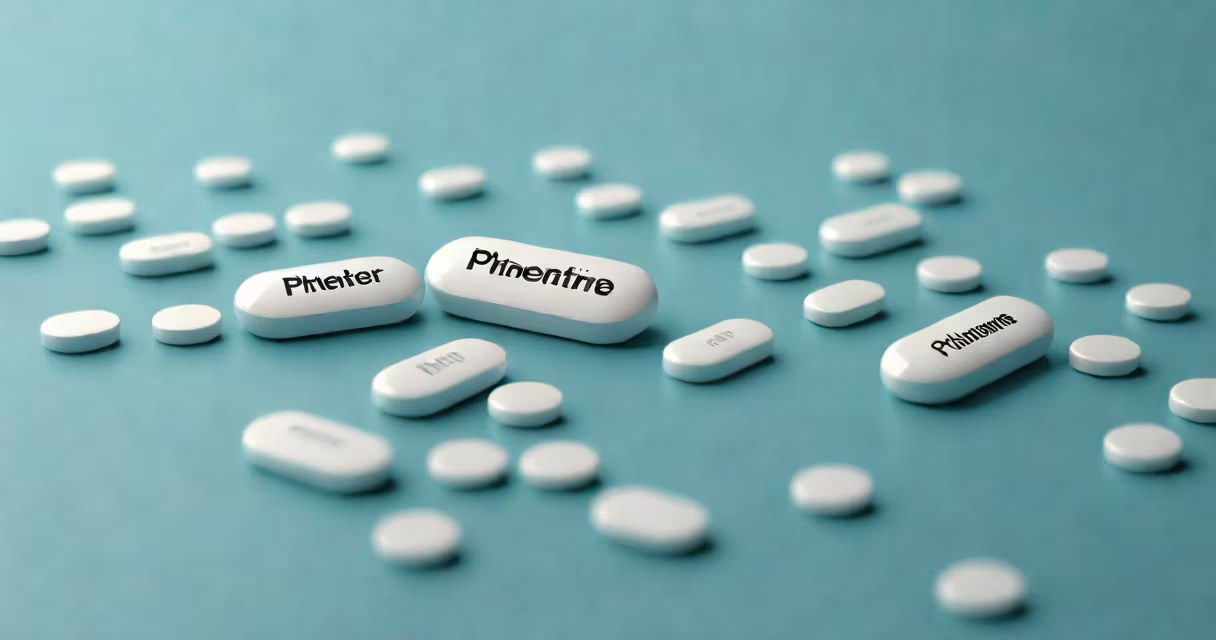
Phentermine is a prescription stimulant used primarily for short-term weight management in obese adults. It works by suppressing appetite and increasing energy expenditure, typically as part of a complete weight-loss plan involving diet and physical activity.
Approved by the U.S. Food and Drug Administration (FDA) in 1959, phentermine remains a first-line pharmacological option for obesity treatment under strict medical supervision. It is not intended for long-term use due to risks of dependence and cardiovascular side effects.
Phentermine is classified as a Schedule IV controlled substance under the Controlled Substances Act because it has potential for abuse and dependence. Its use requires a healthcare provider's evaluation and ongoing monitoring.
Phentermine acts on the central nervous system by stimulating the release of norepinephrine, a neurotransmitter involved in regulating hunger and energy balance. This leads to reduced appetite and increased metabolic rate.
Studies show that patients taking phentermine lose an average of 5-10% of their body weight over 12 weeks when combined with lifestyle changes. A 2021 meta-analysis published in Obesity Reviews found that phentermine users had greater weight reduction compared to placebo groups (mean difference: −5.6 kg, 95% CI: −6.8 to −4.4).
The drug reaches peak concentration in blood within 3-4 hours after ingestion and has a half-life of about 20 hours. Most patients take it once daily, usually in the morning, to avoid insomnia.
Phentermine is available in immediate-release tablets and extended-release capsules. The most common form is a 37.5 mg tablet, though lower doses (15 mg, 30 mg) are sometimes prescribed for sensitivity or titration.
| Form | Dosage Strengths | Release Type | Typical Use |
|---|---|---|---|
| Immediate-release tablet | 15 mg, 30 mg, 37.5 mg | Standard | Initial dosing, dose adjustments |
| Extended-release capsule | 37.5 mg | Once-daily sustained | Patients needing prolonged effect |
Extended-release formulations aim to maintain consistent blood levels throughout the day, reducing fluctuations in mood and energy. However, they are less frequently prescribed due to limited availability and higher cost.
Phentermine is indicated for individuals with a body mass index (BMI) of 30 or higher, or those with a BMI of 27 or higher who have at least one weight-related condition such as hypertension, type 2 diabetes, or sleep apnea.
A 2020 clinical trial conducted by the National Institutes of Health (NIH) found that participants using phentermine plus lifestyle intervention lost 12.3% of initial body weight over six months, compared to 5.4% in the placebo group. The study emphasized that medication alone does not produce lasting results without behavioral modification.
It is not approved for use in children under 16 years old. Off-label use in adolescents occurs occasionally but carries higher risk of psychiatric side effects and growth disruption.
Phentermine is not a "fat burner" or a substitute for healthy eating and exercise. It does not alter fat metabolism directly. Its primary mechanism is appetite suppression, not thermogenesis.
One widespread misconception is that phentermine causes rapid, dramatic weight loss. In reality, typical weekly weight loss ranges from 0.5 to 1.5 pounds. Faster loss often indicates dehydration or muscle loss, not fat reduction.
Another error is assuming it is safe for long-term use. The FDA restricts phentermine to 12 weeks of continuous use due to evidence linking prolonged use with increased risk of heart valve damage and pulmonary hypertension. Long-term safety data remain limited.
Common side effects include dry mouth (reported in 25% of users), insomnia (18%), increased heart rate (15%), and constipation (12%). These are generally mild and subside within a few days of starting treatment.
More serious adverse events include elevated blood pressure, palpitations, and anxiety. Rare cases of serotonin syndrome have been reported, especially when phentermine is combined with other serotonergic drugs like SSRIs or MAO inhibitors.
Phentermine is contraindicated in people with uncontrolled hypertension, hyperthyroidism, glaucoma, or a history of substance use disorder. It should not be used during pregnancy or breastfeeding due to potential fetal harm and unknown transfer into breast milk.
A 42-year-old woman with a BMI of 34 and type 2 diabetes was prescribed 37.5 mg phentermine daily for 12 weeks. She followed a 1,500-calorie diet and walked 30 minutes daily. After eight weeks, she lost 14 pounds and improved her HbA1c from 8.1% to 7.2%. Her blood pressure dropped from 148/92 mmHg to 132/84 mmHg.
After 12 weeks, the medication was tapered off. She maintained 10 pounds of weight loss through continued diet and exercise. Her doctor noted that phentermine helped initiate behavior change but did not sustain it alone.
Phentermine is not effective for treating binge eating disorder, depression, or chronic fatigue. It is not approved for treating acne, migraines, or sleep disorders.
Despite online claims, phentermine does not improve cognitive function or improve athletic performance. Using it for these purposes increases the risk of overdose and psychological dependence.
It is also not a weight-loss solution for normal-weight individuals. Off-label use in people with healthy BMIs is discouraged and may lead to misuse or addiction.
I observed a patient in a primary care clinic who had been using phentermine for 18 months without medical oversight. He reported persistent jitteriness, insomnia, and a 20-pound weight loss. His blood pressure rose to 160/100 mmHg, and he developed atrial fibrillation. Discontinuation led to rapid rebound weight gain and severe withdrawal symptoms including fatigue and low mood. This case underscores the importance of medical supervision.
For longer-term weight management, clinicians may consider combination therapies such as phentermine/topiramate (Qsymia), which combines appetite suppression with neurochemical modulation. Other options include liraglutide (Saxenda), semaglutide (Wegovy), and bupropion/naltrexone (Contrave).
Non-pharmacological approaches like cognitive behavioral therapy (CBT), mindfulness-based eating, and structured meal planning are recommended as foundational components of any weight-loss strategy.
Phentermine is a tool-not a cure. When used correctly, it supports weight loss in eligible patients. Misuse leads to health risks. Always follow your provider's instructions and do not exceed prescribed duration or dosage.