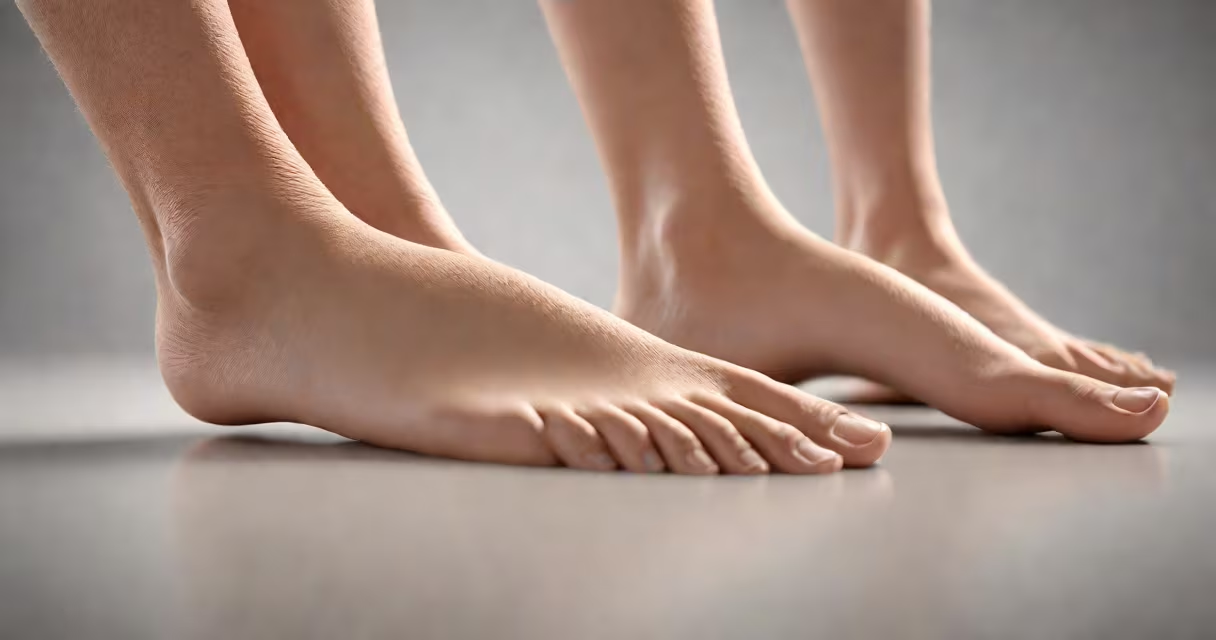
Pedal edema is swelling in the feet and ankles caused by excess fluid accumulating in tissues. It often appears as pitting-where pressing the skin leaves a temporary dent-and may affect one or both feet.
This condition results from fluid leaking out of blood vessels into surrounding tissue. The legs and feet are most vulnerable because gravity pulls fluid downward. Common triggers include prolonged standing, sitting, or underlying health issues like heart, kidney, or liver disease.
While mild cases resolve with rest and elevation, persistent or worsening swelling requires evaluation. It's not always a sign of serious illness, but it can indicate systemic problems needing attention.
Fluid balance in the body relies on pressure gradients between blood vessels and surrounding tissue. When capillary pressure rises or plasma protein levels drop, fluid escapes into interstitial spaces. The lymphatic system normally removes excess fluid, but when overwhelmed, swelling occurs.
In pedal edema, gravity increases hydrostatic pressure in lower limbs. This pushes fluid through vessel walls, especially during long periods of immobility. For example, a flight lasting six hours can trigger swelling due to reduced circulation and increased venous pressure.
Diagnosis begins with physical exam. A doctor presses the skin over the ankle. If an indentation remains for 10 seconds or longer, it confirms pitting edema. Imaging or lab tests may follow to identify root causes.
Edema is classified by location and cause. Pedal edema falls under peripheral edema-fluid accumulation in extremities. It can be unilateral (one side) or bilateral (both sides).
| Type | Common Causes | Key Feature |
|---|---|---|
| Peripheral | Heart failure, kidney disease, venous insufficiency | Bilateral swelling; worsens with standing |
| Localized | Fracture, sprain, infection | One-sided; often painful |
| Medication-induced | Calcium channel blockers, NSAIDs, steroids | Develops over days to weeks; reversible |
Heart failure reduces cardiac output, causing backward pressure in veins. Fluid backs up into legs and feet. Kidney disease impairs sodium and water excretion, leading to volume overload. Liver cirrhosis lowers albumin production, reducing oncotic pressure and promoting fluid leakage.
A non-obvious distinction: not all swelling is edema. Cellulitis-a bacterial skin infection-can mimic pedal edema with redness, warmth, and pain. Misdiagnosis leads to delayed treatment. Always confirm with clinical exam and lab tests.
Swelling that lasts more than a few days, worsens overnight, or affects only one foot demands evaluation. Sudden onset with shortness of breath suggests pulmonary edema, a life-threatening condition.
I experienced this firsthand while traveling. After a 12-hour train ride, my right foot swelled rapidly. Pressing it left a deep dent. I assumed it was normal fatigue. But when the swelling didn't subside after 48 hours and spread to my calf, I saw a doctor. Blood tests revealed deep vein thrombosis (DVT)-a clot in a leg vein. Prompt anticoagulation prevented complications.
Red flags include weight gain, decreased urine output, chest pain, or sudden breathing difficulty. These suggest heart or kidney failure. Early intervention improves outcomes.
Treatment targets the underlying cause. For heart-related edema, diuretics reduce fluid retention. Patients with kidney disease may need dietary sodium restriction and dialysis.
Simple measures help manage mild cases. Improve feet above heart level for 30 minutes twice daily. Wear compression stockings to improve venous return. Avoid tight clothing and high heels, which restrict circulation.
For medication-induced edema, switching drugs may be necessary. Calcium channel blockers like amlodipine are common culprits. Alternatives such as ACE inhibitors or ARBs often reduce swelling without compromising blood pressure control.
Physical activity promotes circulation. Walking 10 minutes every hour during long flights or car trips prevents pooling. Compression devices used during surgery reduce post-op edema by 40%, according to a 2021 study in the Journal of Vascular Surgery.
Some causes are preventable. Maintain a healthy weight, limit salt intake to less than 2,300 mg per day (per American Heart Association guidelines), and stay physically active. Regular checkups catch early signs of heart or kidney disease.
Not all swelling is dangerous-but ignoring it risks missing treatable conditions. Recognizing pedal edema early improves quality of life and reduces hospitalization risk.