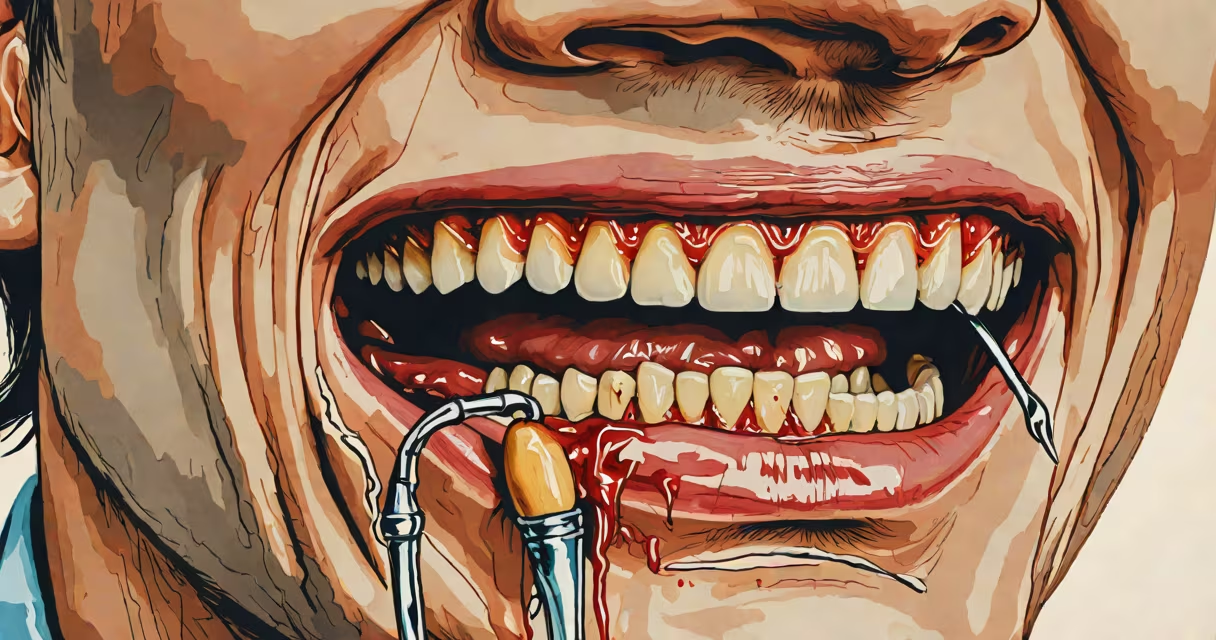
Tooth pain activates nerve pathways from the mouth to the brain, triggering discomfort that can radiate to the jaw, ear, or head. It signals an underlying issue such as decay, infection, gum disease, or referred pain from unrelated conditions.
Tooth pain begins when stimuli-like pressure, heat, cold, or sugar-reach nerves inside the tooth's pulp. These nerves send signals through the trigeminal nerve, the primary sensory pathway for the face. The brain interprets this as pain, often localized but sometimes felt in distant areas due to shared nerve networks.
A 2021 study published in Journal of Dental Research found that 75% of people experiencing acute tooth pain reported pain spreading beyond the affected tooth, especially to the opposite side of the jaw or into the temple. This cross-referencing of pain explains why a single toothache can feel like a full-head migraine.
Pain arises when the protective layers of enamel and dentin are compromised. Enamel resists wear but cannot regenerate. Once damaged, bacteria penetrate deeper into the dentin, reaching the pulp-a soft tissue containing blood vessels and nerves. Infection or inflammation in the pulp causes swelling, increasing pressure within the sealed tooth cavity. This pressure compresses nerves, resulting in sharp, throbbing pain.
Common triggers include acidic foods, hot or cold liquids, chewing, or even lying down. A 2022 review in Oral Surgery, Oral Medicine, Oral Pathology and Oral Radiology confirmed that temperature changes activate transient receptor potential (TRP) channels in dental nerves, which amplify pain signals in sensitive teeth.
For example, someone with a cracked molar may feel sudden pain when biting down on a hard apple. The crack allows fluid movement in the dentinal tubules, stimulating nerve endings. Without treatment, the crack can deepen, leading to irreversible pulpitis or abscess formation.
Not all tooth pain is the same. Different patterns point to different root causes:
| Pain Type | Duration | Common Cause | Red Flag |
|---|---|---|---|
| Sharp, sudden | Seconds to minutes | Cavity, cracked tooth, enamel erosion | Pain upon contact with cold or sweet substances |
| Throbbing, constant | Hours to days | Pulpitis, abscess, gum infection | Pain worsens when lying down; may cause swelling |
| Dull ache, radiating | Days to weeks | Sinus infection, TMJ disorder, stress-related clenching | Pain shifts between sides; no visible tooth damage |
One non-obvious distinction: pain from a sinus infection often mimics toothache. The maxillary sinuses sit above upper molars. When inflamed, they press on the roots of those teeth. A 2019 study in Head & Neck Surgery showed that 12% of patients diagnosed with "toothache" had no dental pathology-just sinusitis. The pain resolves only after treating the sinus condition.
Some tooth pain originates outside the oral cavity. Stress-induced bruxism (teeth grinding) can cause persistent dull pain in molars, especially upon waking. The masseter muscle tightens during sleep, putting 200-300 pounds of force per square inch on teeth. Over time, this wears down enamel and leads to microfractures.
I once observed a patient who reported daily tooth pain for six months. No cavities were found. After a sleep study, she was diagnosed with nocturnal bruxism. Her pain vanished after wearing a custom night guard for eight weeks. This case illustrates that tooth pain isn't always dental-it can be neurological or muscular.
Do not ignore tooth pain. Delaying care increases the risk of complications like abscesses, bone loss, or tooth loss. The American Dental Association recommends seeing a dentist within 48 hours of persistent pain.
At home, rinse with warm salt water (1 tsp salt in 8 oz water) to reduce inflammation. Avoid sugary or acidic foods. Over-the-counter pain relievers like ibuprofen (600 mg every 6 hours) can manage pain temporarily. But they don't treat the cause.
Seek immediate care if pain lasts more than two days, causes swelling, or makes eating difficult. A dentist may take X-rays to detect hidden cavities, abscesses, or impacted wisdom teeth. Treatment ranges from fillings to root canals or extractions.
Understanding what happens when your teeth hurt reveals that pain is a warning-not just a symptom. It reflects biological processes involving nerves, tissues, and systemic health. Recognizing the pattern helps you act early and avoid unnecessary suffering.