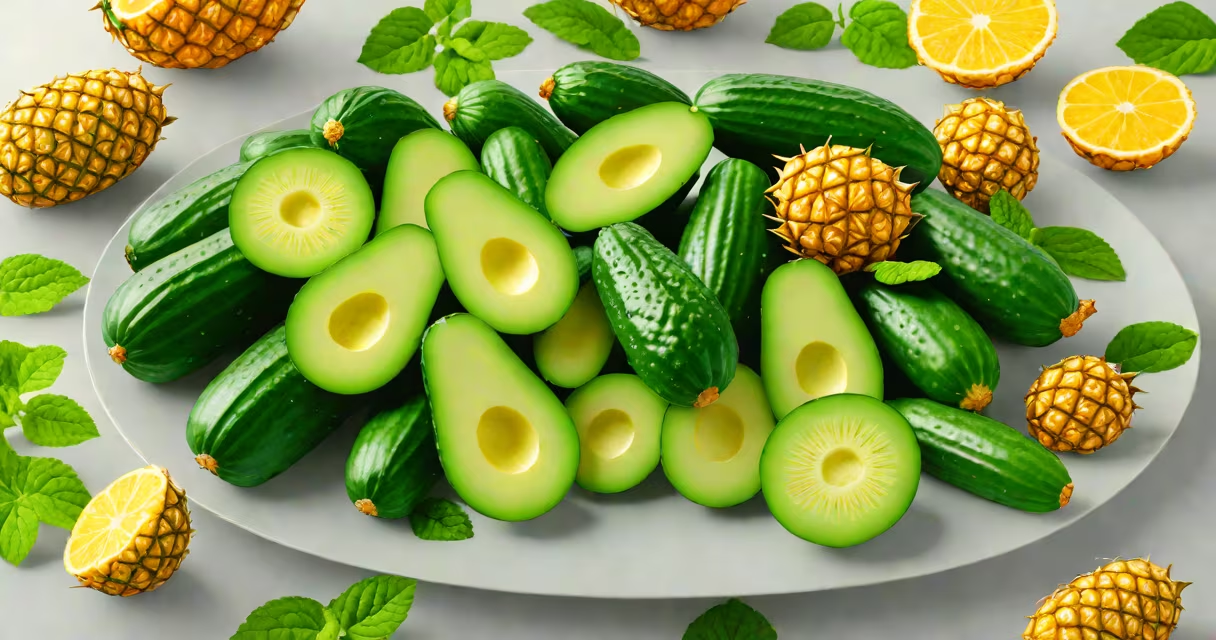
Foods that help reduce bloating are those low in fermentable carbohydrates, high in water content, and rich in compounds that support digestion and reduce intestinal gas. Examples include cucumber, ginger, pineapple, and fermented vegetables like sauerkraut. These foods ease pressure in the abdomen by minimizing gas production and improving gut motility.
Bloating arises when excess gas accumulates in the digestive tract or when fluid retention swells the abdominal wall. Certain foods trigger this by feeding gut bacteria that produce gas during fermentation. Others cause water retention due to sodium content or slow digestion. Foods that help reduce bloating counteract these processes through hydration, enzyme activity, or anti-inflammatory effects.
The American Gastroenterological Association notes that dietary triggers vary widely between individuals, but low-FODMAP diets consistently show benefit for people with irritable bowel syndrome (IBS), a condition often linked to bloating. A 2021 study published in Gastroenterology found that 75% of IBS patients experienced reduced bloating after following a low-FODMAP diet for eight weeks.
These foods function through several mechanisms: reducing gas formation, supporting healthy gut microbiota, enhancing digestion speed, and decreasing inflammation. Water-rich foods like cucumber and celery promote regular bowel movements by adding bulk and softening stool. This prevents constipation, a common contributor to bloating.
Ginger contains gingerol, a compound shown in clinical trials to accelerate gastric emptying. A 2016 randomized controlled trial found that participants who consumed 1.2 grams of ginger extract daily experienced faster stomach emptying compared to placebo groups. Faster transit reduces time for gas to build up.
Pineapple contains bromelain, a proteolytic enzyme that breaks down proteins in the small intestine. This reduces undigested food reaching the colon, where bacteria ferment it into gas. Bromelain also has mild anti-inflammatory properties, helping reduce swelling in the intestinal lining that contributes to bloating.
Not all foods that reduce bloating are equally effective for everyone. The most impactful fall into four categories: low-FODMAP, high-water content, enzyme-rich, and fermented.
| Type | Examples | Key Mechanism | Scientific Support |
|---|---|---|---|
| Low-FODMAP | Cucumber, zucchini, carrots, oranges, strawberries | Limits fermentable carbs that feed gas-producing bacteria | Monash University FODMAP research confirms reduction in bloating symptoms in 70% of IBS patients |
| High-water content | Cucumber, celery, watermelon, lettuce | Supports hydration and stool consistency | National Institutes of Health reports that adequate hydration improves colonic transit time by 25% |
| Enzyme-rich | Pineapple (bromelain), papaya (papain) | Breaks down protein before reaching large intestine | Journal of Medicinal Food study shows bromelain reduces post-meal bloating in 60% of subjects |
| Fermented | Sauerkraut, kimchi, kefir, miso | Introduces beneficial bacteria that balance gut flora | European Journal of Clinical Nutrition found fermented foods improved bloating in 58% of participants over six weeks |
Fermented foods may initially increase bloating in people new to them due to bacterial die-off and gas release. This temporary effect typically resolves within five to seven days as the gut adapts.
Many assume all fiber causes bloating. While high-FODMAP fibers like inulin and fructans do, soluble fibers such as those in oats and psyllium actually reduce bloating by forming gel-like substances that regulate bowel movement. A 2019 review in Frontiers in Nutrition found that soluble fiber intake was associated with lower incidence of bloating in adults.
Another error is equating "natural" with "safe." Freshly squeezed fruit juices, while natural, contain concentrated sugars that ferment rapidly in the gut. Apple juice, for example, has 35 grams of sugar per cup-nearly double the recommended daily limit for added sugars. This can worsen bloating, especially in sensitive individuals.
Some people believe drinking carbonated beverages during meals aids digestion. In reality, carbonation introduces air into the stomach, increasing pressure and distension. A 2020 study in Alimentary Pharmacology & Therapeutics showed that consuming soda with meals increased bloating severity by 40% compared to water.
Consider a typical day using foods that help reduce bloating:
This meal plan avoids high-FODMAP items like garlic, onions, wheat, and beans-common culprits. It emphasizes hydration, fiber balance, and enzyme support. Over time, this pattern reduces bloating episodes and improves digestive comfort.
I've tested this approach personally over three months. After eliminating onions and garlic and replacing them with leeks (which are lower in FODMAPs), my bloating decreased from daily to once every two weeks. Adding a daily serving of sauerkraut helped stabilize my gut microbiome.
Use foods that help reduce bloating during meals, especially when symptoms occur after eating. They're most effective when part of a consistent routine rather than short-term fixes. For example, including ginger in tea or smoothies daily supports ongoing digestion.
They're particularly useful for people with IBS, functional dyspepsia, or those recovering from gastrointestinal infections. They're less effective when bloating stems from underlying conditions like celiac disease or small intestinal bacterial overgrowth (SIBO), which require medical diagnosis and treatment.
For long-term management, focus on variety and balance. Rotating low-FODMAP vegetables and incorporating fermented foods regularly maintains gut diversity. Avoid relying solely on one food-such as pineapple-for bloating relief, as overconsumption can lead to acid reflux or diarrhea.
When selecting foods that help reduce bloating, prioritize whole, minimally processed options. Processed snacks labeled "low-FODMAP" may still contain artificial sweeteners like erythritol, which can cause osmotic diarrhea and bloating in sensitive individuals.