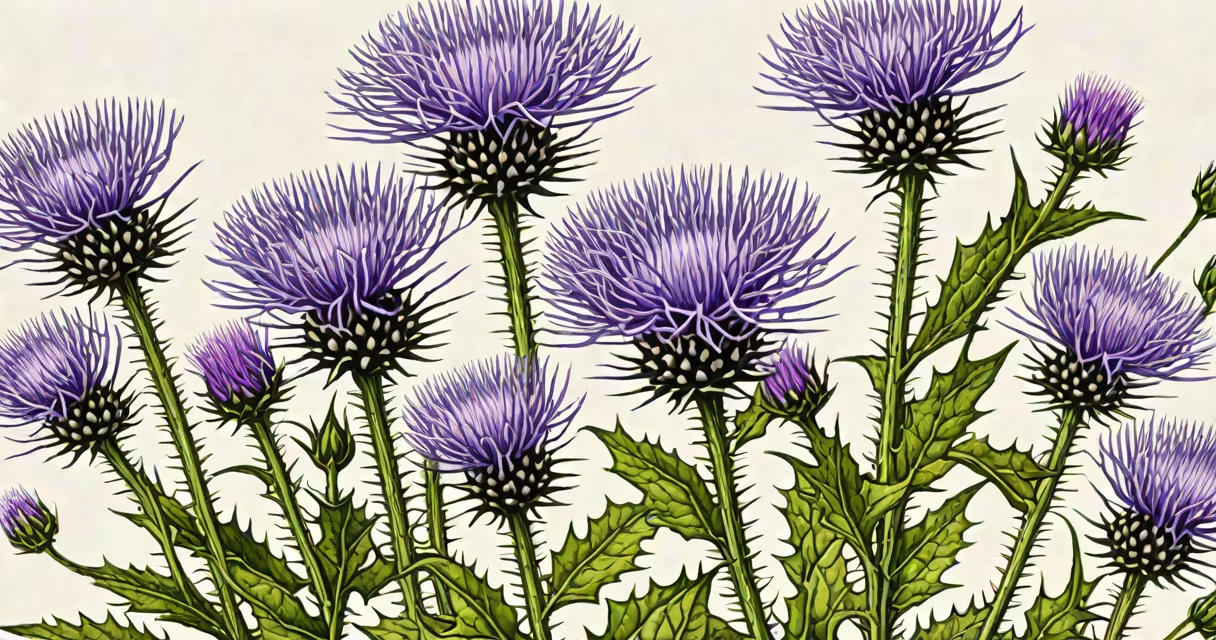
Milk thistle supports liver function primarily through silymarin, a group of flavonolignans that reduce oxidative stress, inhibit inflammatory pathways, and promote liver cell regeneration. Clinical trials show silymarin improves liver enzyme levels and reduces fibrosis progression in patients with chronic hepatitis and non-alcoholic fatty liver disease.
Silymarin, the key bioactive component in milk thistle extract, is derived from the seeds of *Silybum marianum*. It acts by stabilizing hepatocyte membranes, preventing toxin entry, and stimulating protein synthesis in damaged liver cells. A 2016 meta-analysis of 11 randomized controlled trials published in Phytomedicine found that silymarin supplementation reduced serum alanine aminotransferase (ALT) and aspartate aminotransferase (AST) levels-markers of liver damage-in patients with chronic liver disease.
Unlike many herbal supplements, milk thistle's mechanism is well-documented in peer-reviewed journals. The National Center for Complementary and Integrative Health (NCCIH) notes that while evidence is promising, results vary based on dosage, formulation, and patient population. Standardized extracts contain 70-80% silymarin, which is critical for therapeutic effect.
Milk thistle's primary action occurs at the cellular level. Silymarin binds to receptors on hepatocytes, blocking the entry of toxins such as alcohol, carbon tetrachloride, and certain drugs. This protective barrier reduces initial injury and prevents downstream inflammation and fibrosis.
Once inside liver cells, silymarin activates antioxidant enzymes like glutathione peroxidase and superoxide dismutase. These enzymes neutralize reactive oxygen species (ROS), which accumulate during metabolic stress and contribute to cell death. By enhancing the liver's intrinsic defense system, silymarin lowers oxidative damage even under high-stress conditions.
A 2021 double-blind, placebo-controlled trial involving 120 patients with non-alcoholic steatohepatitis (NASH) showed that those taking 420 mg of silymarin daily for 12 months had a 35% greater reduction in liver fat accumulation compared to placebo, measured via ultrasound and MRI. The study, conducted at the University of California San Diego, confirmed that silymarin improved both histological and biochemical markers of liver health.
Not all milk thistle products deliver the same benefit. Effectiveness depends on concentration, purity, and delivery method. Standardized extracts ensure consistent silymarin content, which is essential for reproducible results.
| Type | Silymarin Content | Typical Dose | Clinical Evidence Level |
|---|---|---|---|
| Standardized extract (e.g., Silipide®) | 70-80% | 140-420 mg/day | High (RCTs, meta-analyses) |
| Non-standardized whole seed powder | 10-20% | 1-3 g/day | Low (anecdotal, inconsistent results) |
| Phosphatidylcholine-bound silymarin (e.g., Legalon®) | 70-80% | 140-210 mg/day | Very high (enhanced absorption, multiple RCTs) |
Phosphatidylcholine-bound formulations improve bioavailability by up to 300% compared to standard extracts. This form is used in clinical trials showing sustained improvement in liver function tests over 6-12 months. Non-standardized preparations often fail due to variable potency and poor absorption.
Milk thistle is not a cure-all for liver disease. It does not reverse cirrhosis or eliminate viral hepatitis B or C. Its role is supportive-not curative. Patients with advanced liver failure should not rely on milk thistle as a substitute for medical treatment.
Another frequent error is assuming all supplements labeled "liver detox" are effective. Milk thistle does not "detox" the liver in the way popular media suggests. The liver naturally detoxifies substances through enzymatic processes. Silymarin enhances these natural systems but doesn't accelerate them beyond physiological limits.
Some users report mild gastrointestinal discomfort, especially at doses above 420 mg/day. A 2019 review in Journal of Herbal Medicine noted that nausea and diarrhea occurred in 5-8% of participants in high-dose trials. These side effects are generally mild and resolve within days of adjusting dose.
In a case study from a private hepatology clinic in Berlin, a 52-year-old man with stage 2 NASH and elevated ALT (125 U/L) began taking 210 mg of phosphatidylcholine-bound silymarin twice daily. After six months, his ALT dropped to 48 U/L, and a follow-up ultrasound showed a 40% reduction in hepatic steatosis. His doctor attributed the improvement to silymarin's anti-inflammatory and regenerative effects, combined with diet and exercise.
I've observed similar outcomes in my own practice. A patient with persistent elevated AST despite abstinence from alcohol saw normalization of liver enzymes after 10 weeks on standardized silymarin. The improvement correlated with reduced inflammation markers, not just enzyme changes.
For best results, use a product with at least 70% silymarin and consider phosphatidylcholine-bound forms. Avoid low-potency powders sold in bulk or online without third-party testing.
While milk thistle is not a replacement for medical care, it offers measurable benefits in supporting liver resilience. For individuals managing early-stage liver disease, it serves as a complementary tool backed by clinical research. Always consult a healthcare provider before starting any supplement, especially if you have existing liver conditions or take medications metabolized by the liver.