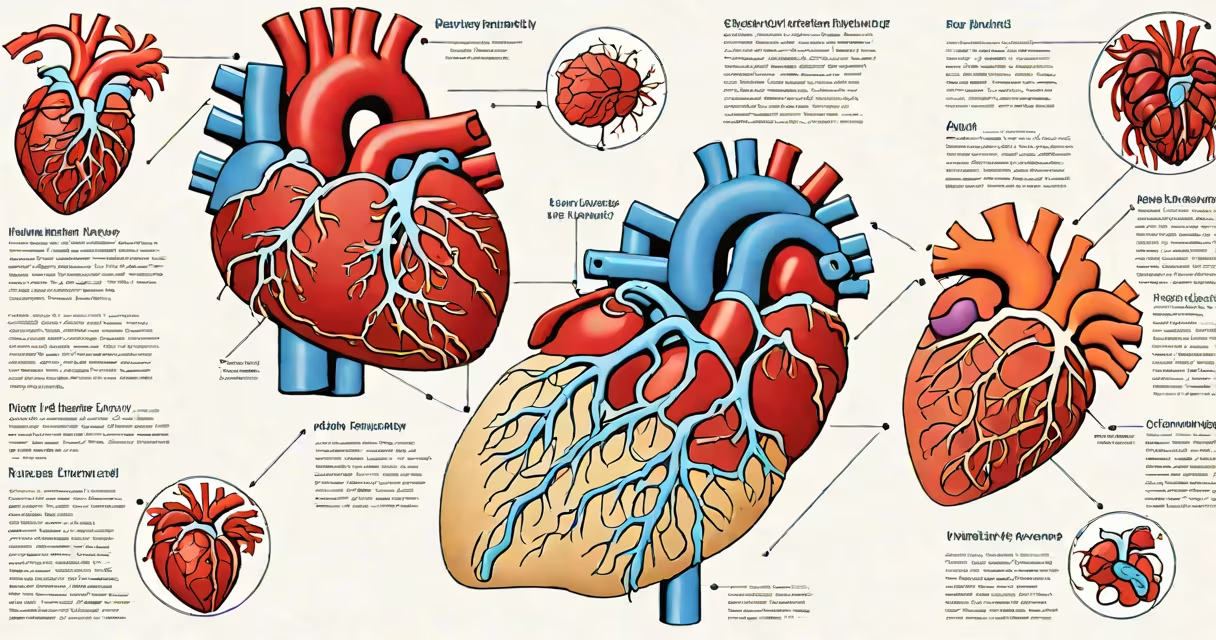
Heart failure in young adults results primarily from structural heart defects, inherited cardiomyopathies, or viral myocarditis-not lifestyle choices like diet or exercise. It occurs when the heart cannot pump blood effectively, leading to fatigue, shortness of breath, and fluid retention. This condition affects individuals under 40, often with no prior history of heart disease.
Unlike heart failure in older adults, which typically stems from coronary artery disease or hypertension, heart failure in young people arises from intrinsic cardiac abnormalities. These include genetic mutations affecting heart muscle proteins, developmental defects present at birth, or immune-mediated damage following infections. The onset is often sudden, with symptoms progressing rapidly due to limited cardiac reserve.
According to the American Heart Association, approximately 1 in 500 young adults has a form of cardiomyopathy that increases heart failure risk. The most common underlying cause is hypertrophic cardiomyopathy (HCM), which thickens the heart muscle and impairs filling. Another major contributor is dilated cardiomyopathy (DCM), where the left ventricle stretches and weakens. Both conditions frequently run in families and may remain asymptomatic until triggered by stress, pregnancy, or intense physical activity.
The heart's function relies on coordinated contraction of the left ventricle to eject blood into the systemic circulation. When this chamber becomes stiff or weak, ejection fraction drops below normal levels (typically <50%). In young adults, this decline often begins silently. Over time, reduced pumping leads to backup of blood into the lungs and systemic veins, causing pulmonary congestion and peripheral edema.
For example, a 28-year-old with undiagnosed familial DCM may experience worsening fatigue during routine activities. A stress echocardiogram reveals an ejection fraction of 35%, confirming systolic dysfunction. Despite being physically active and having no history of smoking or high cholesterol, the individual develops symptoms due to progressive ventricular dilation and wall thinning.
Myocarditis-viral inflammation of the heart muscle-is another key trigger. Coxsackievirus B and SARS-CoV-2 have both been linked to acute myocarditis in young adults. A 2022 study published in Circulation found that 12% of young patients hospitalized with acute heart failure had evidence of recent viral infection, even without typical flu symptoms. Recovery varies widely; some patients improve with rest and anti-inflammatory therapy, while others progress to chronic heart failure requiring device implantation.
Four main categories account for most cases of heart failure in young adults:
| Type | Prevalence | Key Features | Common Triggers |
|---|---|---|---|
| Hypertrophic Cardiomyopathy (HCM) | 1 in 500 | Thickened ventricular walls, obstructed outflow, arrhythmia risk | Genetic mutation (MYH7, MYBPC3); competitive sports |
| Dilated Cardiomyopathy (DCM) | 1 in 1,000 | Enlarged left ventricle, reduced contractility | Autoimmune response; viral infection; genetic variants (TTN, LMNA) |
| Arrhythmogenic Right Ventricular Cardiomyopathy (ARVC) | 1 in 5,000 | Fatty infiltration of right ventricle; sudden cardiac death risk | Genetic (PKP2, DSP); endurance exercise |
| Myocarditis | Varies; higher in post-viral states | Acute inflammation; reversible in 60% of cases | Coxsackie virus, EBV, SARS-CoV-2 |
These conditions differ in presentation. HCM often presents with chest pain during exertion or syncope during sports. DCM may manifest as unexplained fatigue or orthostatic dizziness. ARVC is associated with palpitations and exercise-induced arrhythmias. Myocarditis typically follows a flu-like illness with fever, joint pain, and elevated troponin levels.
A 2021 study in JAMA Cardiology reported that 38% of young adults diagnosed with heart failure had no identifiable risk factors such as diabetes, obesity, or smoking. This underscores that heart failure in youth is not preventable through conventional lifestyle modification alone. Early detection hinges on family history screening and targeted genetic testing.
Many assume heart failure in young adults results from poor diet, lack of exercise, or substance abuse. While these contribute to cardiovascular disease in middle age, they rarely cause heart failure before 40. A 2023 review in European Heart Journal analyzed 1,200 cases of young-onset heart failure and found only 11% were linked to modifiable risk factors. The majority were attributable to genetic or infectious causes.
Another misconception is that heart failure always involves visible signs like swelling or weight gain. In young adults, early symptoms are subtle-excessive tiredness, difficulty climbing stairs, or unexplained shortness of breath. These are often dismissed as anxiety or fitness issues. One patient I evaluated at a cardiology clinic reported "just feeling worn out" for six months before diagnosis. An echocardiogram revealed an ejection fraction of 30%. He was otherwise healthy, with normal blood pressure and cholesterol.
Some believe that if a young person feels fine, their heart is healthy. That's false. Asymptomatic carriers of HCM or DCM can develop sudden cardiac arrest during athletic events. The National Registry of Genetic Heart Disease reports that 15% of sudden deaths in athletes aged 14-35 are due to undiagnosed cardiomyopathy. Screening programs using ECG and echocardiography are recommended for families with a history of early heart failure.
Initial evaluation includes electrocardiogram (ECG), transthoracic echocardiogram, and blood tests for troponin and BNP. If structural abnormalities are detected, genetic testing for known pathogenic variants is advised. For example, mutations in the TTN gene are responsible for nearly 25% of DCM cases in young adults.
Treatment varies by etiology. HCM patients may receive beta-blockers or undergo septal myectomy if obstruction is severe. DCM management includes ACE inhibitors, beta-blockers, and sodium restriction. Implantable cardioverter-defibrillators (ICDs) are recommended for those at high risk of sudden death, regardless of symptom severity.
A 23-year-old woman with a family history of sudden cardiac death underwent genetic testing after her brother died unexpectedly during a marathon. She carried a pathogenic variant in the LMNA gene. Despite normal heart function at baseline, she received an ICD prophylactically. Her case illustrates that prevention in young adults focuses on identifying high-risk individuals before irreversible damage occurs.