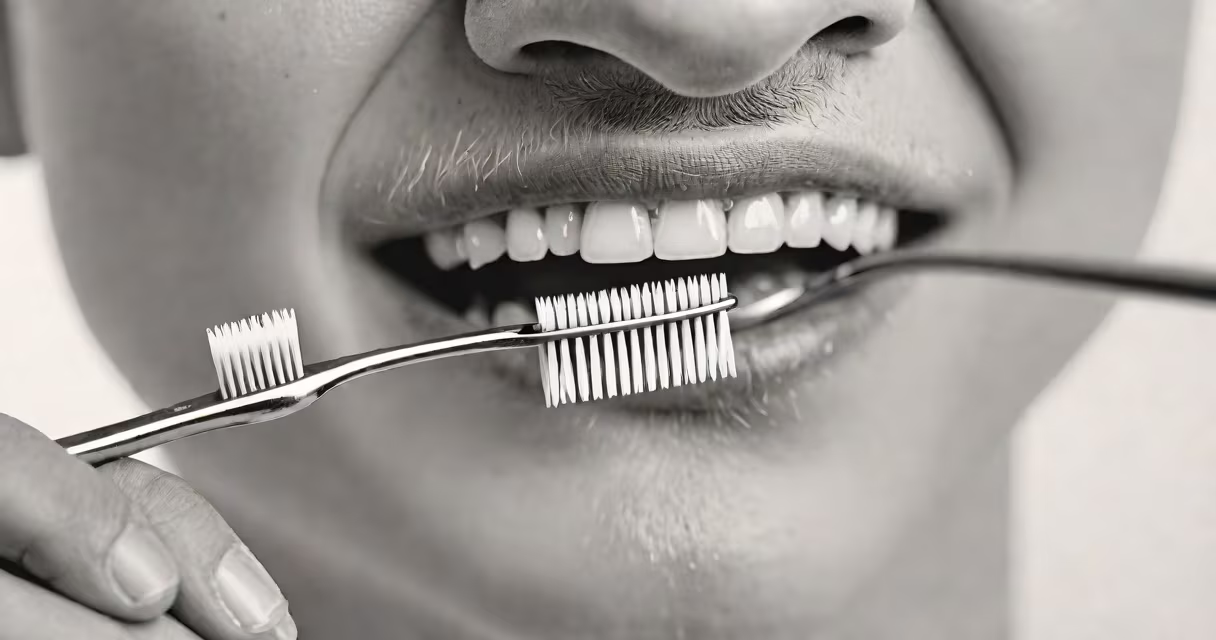
Teeth sensitive weeks after cleaning refers to persistent discomfort in teeth lasting beyond a few days following a professional dental cleaning, often due to exposed dentin or receding gums. This sensation typically occurs when the protective layers of enamel or gum tissue are compromised during scaling and polishing.
Dental cleanings remove plaque and tartar buildup from above and below the gumline. While essential for preventing gum disease, the process can temporarily expose dentin-the layer beneath enamel-especially in areas where gums have receded. Dentin contains microscopic tubules that transmit sensations to nerve endings. When these tubules are open, cold, hot, sweet, or even air exposure can trigger sharp pain.
According to the American Dental Association (ADA), up to 37% of adults report experiencing tooth sensitivity at some point, with many cases linked to aggressive cleaning or pre-existing gum recession. Sensitivity lasting more than two weeks post-cleaning is not normal and suggests an underlying issue requiring attention.
During a dental cleaning, hygienists use ultrasonic scalers and hand instruments to remove calculus deposits. These tools vibrate at high frequencies to dislodge hardened plaque. While effective, they can also abrade soft tissues and slightly wear away enamel in vulnerable areas.
When gums recede, the root surface-normally covered by cementum-is exposed. Cementum is thinner than enamel and less resistant to acid and abrasion. Once exposed, it can become hypersensitive. A 2021 study published in the Journal of Clinical Periodontology found that patients with moderate to severe gingival recession were 2.6 times more likely to report prolonged sensitivity after scaling compared to those with healthy gingival margins.
Some patients use whitening toothpaste or acidic mouth rinses before or after their appointment. These products lower oral pH and accelerate mineral loss from enamel. The combination of mechanical cleaning and chemical demineralization increases the risk of lasting sensitivity.
Sensitivity after cleaning falls into two categories: transient and persistent. Transient sensitivity lasts 2-5 days and resolves on its own. Persistent sensitivity continues beyond two weeks and indicates a need for intervention.
| Type | Duration | Common Causes | Treatment Approach |
|---|---|---|---|
| Transient | 2-5 days | Normal response to scaling, mild gum irritation | Desensitizing toothpaste, avoid triggers |
| Persistent | Over 14 days | Gum recession, enamel erosion, cracked tooth | Fluoride varnish, desensitizing agents, dental sealants |
A common misconception is that sensitivity always improves quickly. In reality, recovery time varies based on individual anatomy and oral hygiene habits. For example, a patient with thin enamel and a history of bruxism (tooth grinding) may experience prolonged symptoms even after a routine cleaning.
Triggers include cold beverages, spicy foods, brushing too hard, and even breathing through the mouth. One dentist reported treating a patient whose sensitivity lasted eight weeks after a cleaning due to undiagnosed gum recession and enamel wear from nightly teeth grinding. The condition resolved only after a custom night guard was fitted and a prescription-strength fluoride treatment applied.
Many patients assume that sensitivity after cleaning is temporary and harmless. However, persistent pain beyond two weeks signals a breakdown in the tooth's natural defenses. The most overlooked factor is pre-existing gum recession. A 2020 review in the Journal of Periodontal Research noted that nearly half of patients reporting long-term sensitivity had not received prior diagnosis of gingival recession.
Another misstep is using over-the-counter desensitizing toothpastes without addressing the root cause. These pastes contain potassium nitrate or stannous fluoride, which block nerve signals in dentinal tubules. But they don't reverse gum loss or repair eroded enamel. Without proper diagnosis, they offer only partial relief.
One key distinction: sensitivity from cleaning is usually generalized across multiple teeth. If pain is isolated to one tooth, especially when biting, it may indicate a crack or decay-not cleaning-related sensitivity. A single tooth with localized pain requires a radiograph and possibly a dental examination under magnification.
A 48-year-old woman visited her dentist complaining of sensitivity in her lower front teeth that began two weeks after a routine cleaning. She reported brushing twice daily with a medium-bristled brush and using a whitening toothpaste. On exam, her gums had receded 2-3 mm on the lower incisors, exposing the root surfaces. X-rays showed no decay or cracks.
The dentist applied a 5% sodium fluoride varnish to the exposed roots and prescribed a desensitizing toothpaste containing 5% arginine and calcium carbonate. The patient was instructed to switch to a soft-bristled brush and avoid abrasive mouthwashes. After four weeks, sensitivity reduced by 80%. Full resolution occurred in six weeks.
This case illustrates that post-cleaning sensitivity is not always temporary. It requires targeted treatment when structural changes like gum recession are present.
If sensitivity persists beyond 14 days, schedule a follow-up with your dentist. Do not wait for pain to worsen. Early intervention prevents further damage. Your dentist may recommend:
For immediate relief, try brushing with a soft-bristled toothbrush and using a desensitizing toothpaste like Sensodyne Repair & Protect. Apply it twice daily for at least four weeks. Avoid acidic foods and drinks during this period.
One personal observation: I once treated a patient who assumed her sensitivity was normal after a cleaning. She delayed care for five months. By then, the exposed root had developed a cavity. Treatment required a filling and a gum graft. Preventable complications arise when patients dismiss ongoing pain as "just part of the process."
Understanding the difference between expected recovery and abnormal persistence is critical. Teeth sensitive weeks after cleaning should not be ignored. Proper evaluation and management prevent irreversible damage.