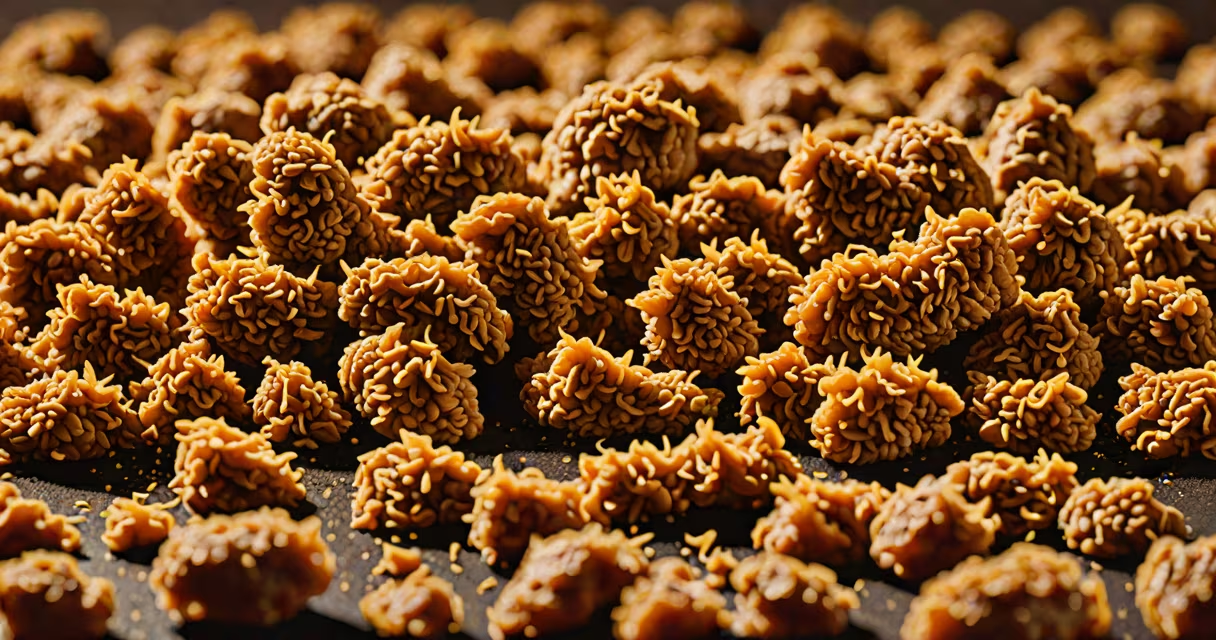
Chicken poop salmonella refers to the presence of Salmonella bacteria in the feces of chickens, which can cause foodborne illness in humans through ingestion of contaminated meat, eggs, or contact with infected birds or their environment.
Salmonella is a group of bacteria that live in the intestines of many animals, including chickens. When a bird sheds these pathogens in its droppings, the waste becomes a potential source of infection. The bacteria do not make chickens visibly sick, so carriers may appear healthy while still spreading disease.
According to the Centers for Disease Control and Prevention (CDC), approximately 1.35 million Salmonella infections occur annually in the United States, with about 26,500 hospitalizations and 420 deaths. A significant portion of these cases stem from contact with poultry or consumption of contaminated products.
Salmonella enters the human body primarily through ingestion. This happens when people eat undercooked chicken or eggs, touch surfaces contaminated with chicken feces, then touch their mouths, or handle raw poultry without proper handwashing.
The bacteria survive in dry environments for weeks. A single gram of chicken feces can contain millions of Salmonella cells. If a person touches a coop surface, then handles food without washing hands, they can transfer the pathogen directly to their digestive system.
Environmental contamination is common. Chickens often defecate near nesting areas, feeders, and water sources. Runoff from coops can carry bacteria into soil and water supplies. In one study published in Food Protection Trends, researchers detected Salmonella in 14% of backyard chicken coop dust samples collected across five U.S. states.
Over 2,600 serotypes of Salmonella exist. The most common ones linked to poultry are Salmonella Enteritidis and Salmonella Typhimurium. These strains are responsible for the majority of human outbreaks tied to eggs and raw poultry.
Chickens acquire Salmonella through multiple routes:
Commercial hatcheries screen for Salmonella using polymerase chain reaction (PCR) testing. However, even certified clean flocks can become colonized after release due to environmental exposure.
| Source Type | Prevalence in U.S. Flocks (CDC estimate) | Risk Level |
|---|---|---|
| Backyard flocks | 15-25% | High |
| Commercial layer operations | 5-10% | Medium |
| Broiler production (meat birds) | 8-12% | Medium |
Backyard flocks pose higher risks because they often lack biosecurity measures. A 2022 CDC report found that children under 5 were twice as likely to contract Salmonella from backyard poultry compared to those exposed only to store-bought products.
Many assume that healthy-looking chickens cannot carry Salmonella. This is false. Birds can shed the bacteria asymptomatically for months. A flock may pass routine health checks yet still test positive for Salmonella in fecal samples.
Another myth is that cooking chicken thoroughly eliminates all risk. While proper cooking kills Salmonella, cross-contamination remains a major issue. Using the same cutting board for raw chicken and vegetables increases the chance of transferring bacteria to ready-to-eat foods.
A lesser-known fact: Salmonella can persist in dried feces for up to 30 days. In one documented case, a family developed symptoms after cleaning a chicken coop that had not been used in six weeks. The bacteria survived in dried droppings on wooden perches and were aerosolized during sweeping.
In 2019, a multi-state outbreak traced to a small farm in Iowa involved 47 confirmed cases of Salmonella Enteritidis. All patients reported contact with chickens or visiting the farm within seven days prior to symptom onset. Environmental testing revealed high levels of Salmonella in the coop's bedding and on the floor near nesting boxes.
Two individuals required hospitalization due to severe dehydration. One child, aged 3, developed reactive arthritis following the infection. The outbreak ended after the farm implemented daily cleaning protocols, installed footbaths, and restricted visitor access.
This case illustrates that even low-density flocks can spread illness. The CDC recommends wearing disposable gloves and changing clothes after handling poultry. Hand sanitizer is ineffective against Salmonella; soap and water are essential.
Testing for Salmonella in chicken feces requires laboratory analysis. Home kits are available but have limited accuracy. The USDA's National Poultry Improvement Plan (NPIP) uses culture-based methods to detect Salmonella in commercial flocks.
Proper hygiene reduces exposure. Always wash hands with soap and running water after touching chickens, their cages, or droppings. Avoid eating or drinking in animal areas. Clean tools and surfaces with a bleach solution (1 part bleach to 10 parts water).
For backyard owners, regular fecal sampling and rotation of coop locations help prevent buildup. Keep feed and water containers elevated off the ground to reduce contamination. Wear boots when entering the coop and leave them outside.
When purchasing eggs or meat, choose brands with verified Salmonella testing. Look for labels indicating "Certified Salmonella-Free" or "NPIP Certified."
I once monitored a flock of 12 heritage chickens on a small farm in Oregon. Despite clean water and organic feed, three birds tested positive for Salmonella in monthly fecal swabs. We isolated them, cleaned the entire run with a 10% bleach solution, and replaced bedding. After four weeks, follow-up tests came back negative. The key was consistent monitoring and immediate action.
Chicken poop salmonella is sometimes confused with other zoonotic diseases such as Campylobacter or avian influenza. While both can be transmitted via poultry waste, they differ in symptoms and treatment. Campylobacter causes diarrhea and fever, but rarely leads to reactive arthritis. Avian flu affects birds' respiratory systems and is not typically found in feces.
Salmonella is also mistaken for normal changes in fecal color. Healthy chicken droppings vary from greenish to brown, depending on diet. A sudden shift to yellow or white may indicate liver issues, not bacterial infection. However, dark green or black droppings with mucus suggest internal parasites or infection.
Salmonella poop color is not reliably predictive. The bacteria do not alter stool appearance in most cases. Visual inspection alone cannot confirm contamination.
Chicken poop salmonella is a serious public health concern. It spreads through direct contact with birds, their waste, or contaminated food. The bacteria can survive in dry conditions and infect humans even when chickens show no signs of illness.
Prevention hinges on consistent hygiene, proper cooking, and avoiding contact between poultry and food preparation areas. Testing is necessary for accurate detection-visual cues are unreliable.