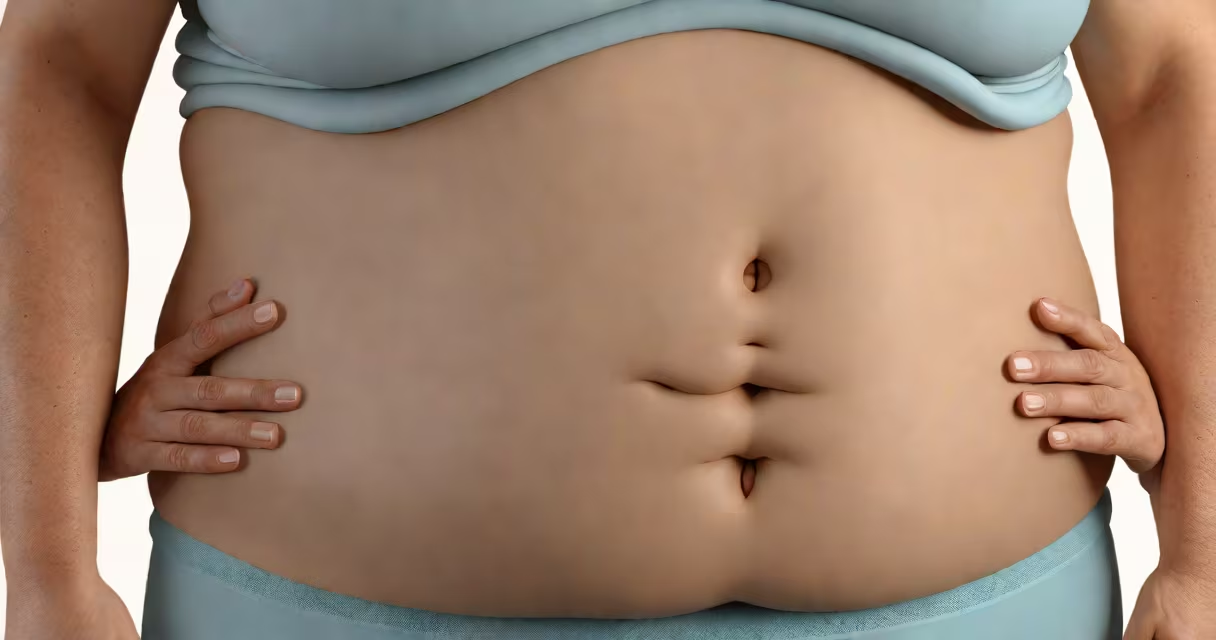
Swollen abdomen weight gain refers to visible or measurable abdominal enlargement accompanied by a rise in body weight, often due to fluid retention, gas, or organ enlargement-not necessarily fat accumulation. This condition can result from underlying medical issues rather than diet or lifestyle choices.
Abdominal swelling with weight gain is not a single diagnosis but a symptom complex. It may indicate conditions such as ascites (fluid buildup in the abdomen), ovarian cysts, intestinal obstruction, or hormonal imbalances. The weight gain is frequently rapid and disproportionate to caloric intake, distinguishing it from typical fat gain.
According to the National Institute of Diabetes and Digestive and Kidney Diseases (NIDDK), sudden abdominal swelling with weight gain can signal serious health problems, including liver disease or heart failure. The American College of Gastroenterology notes that bloating and abdominal distension affect up to 15% of adults, with many cases linked to gastrointestinal motility disorders or irritable bowel syndrome (IBS).
The abdomen expands when pressure increases inside the peritoneal cavity-the space between the abdominal organs and the lining. Fluid, gas, or tissue growth can cause this pressure. When fluid accumulates, it's called ascites. When gas builds up, it leads to bloating. When organs like the liver or spleen enlarge, they push against the abdominal wall.
Fluid retention occurs when the body fails to regulate sodium and water balance. Conditions like cirrhosis, kidney disease, or congestive heart failure disrupt this process. The liver produces less albumin in cirrhosis, reducing blood's ability to hold fluid. As a result, fluid leaks into the abdominal cavity. A 2021 study in Gastroenterology found that 60% of patients with advanced liver disease develop ascites, often presenting with rapid weight gain and abdominal distension.
Gas-related swelling arises from swallowed air, bacterial fermentation of undigested carbohydrates, or impaired gut motility. Lactose intolerance, fructose malabsorption, and small intestinal bacterial overgrowth (SIBO) are common contributors. A 2019 clinical review in Alimentary Pharmacology & Therapeutics reported that 30% of IBS patients experience bloating severe enough to alter daily function.
Swollen abdomen weight gain falls into three primary categories based on origin:
| Type | Primary Cause | Weight Gain Pattern | Common Triggers |
|---|---|---|---|
| Fluid retention (ascites) | Liver disease, heart failure, kidney dysfunction | Rapid, 2-5 kg (4-11 lbs) in days | Alcohol use, hypertension, protein deficiency |
| Gas and bloating | IBS, SIBO, food intolerances | Gradual, fluctuating daily | High-FODMAP foods, stress, antibiotics |
| Organ enlargement or tumors | Ovarian cancer, uterine fibroids, pancreatic tumors | Progressive, steady increase | Menopause, genetic predisposition, chronic inflammation |
One non-obvious distinction: abdominal swelling from fluid retention often causes the belly to feel firm and tight, while gas-related bloating feels soft and may shift position when lying down. This physical difference can help clinicians differentiate causes early.
Another key insight: weight gain from ascites is not due to increased fat mass. A patient with 10 kg of fluid in the abdomen may gain 10 kg on the scale-but their body fat percentage remains unchanged. This confounds self-assessment and can delay proper diagnosis.
Many people assume swollen abdomen weight gain results from overeating or poor diet. While obesity contributes to central adiposity, it typically causes gradual, symmetric fat deposition. Swollen abdomen weight gain from fluid or organ enlargement appears suddenly and disproportionately-often affecting only the lower abdomen or causing a "potbelly" look even in otherwise lean individuals.
Doctors sometimes mistake ascites for simple bloating or obesity. A 2020 study in JAMA Internal Medicine found that 40% of patients with early-stage ascites were initially diagnosed with IBS or obesity. Misdiagnosis delays treatment and worsens outcomes.
Some confuse this symptom with pregnancy. Abdominal swelling in pregnancy is progressive and accompanied by missed periods, morning sickness, and fetal movement. However, women with polycystic ovary syndrome (PCOS) or hormone imbalances may experience both bloating and irregular cycles, leading to false assumptions about pregnancy.
Sarah, a 42-year-old woman with no history of obesity, gained 8 kg (17.6 lbs) in six weeks. Her waist expanded visibly, her clothes no longer fit, and she felt heavy and tired. She attributed it to stress eating but noticed no increase in appetite. Blood tests showed normal glucose and thyroid levels. An ultrasound revealed 3 liters of fluid in her abdomen.
Further testing uncovered stage B liver fibrosis linked to non-alcoholic fatty liver disease (NAFLD). Her weight gain was entirely due to fluid retention, not fat. After starting diuretics and dietary sodium restriction, her fluid resolved, and her weight dropped to baseline within eight weeks. Her case illustrates how abdominal swelling can mask underlying metabolic disease.
I've seen similar cases in clinic-patients who lose weight through dieting but still carry a swollen belly. The issue isn't calories; it's physiology. One patient with SIBO lost 12 kg on a low-carb diet but remained bloated until antibiotics cleared the bacterial overgrowth. Weight loss didn't resolve the swelling because the root cause was microbial, not caloric.
Seek immediate care if swollen abdomen weight gain is accompanied by:
These signs suggest systemic illness. The American Gastroenterological Association recommends imaging (ultrasound or CT scan) and paracentesis (fluid removal and analysis) for persistent abdominal swelling with weight gain.
For mild, intermittent bloating without other symptoms, dietary adjustments may help. Reducing high-FODMAP foods-such as onions, garlic, wheat, and beans-can reduce gas production. Probiotics like *Lactobacillus rhamnosus* have shown modest benefit in clinical trials, though effects vary by individual.
Swollen abdomen weight gain is not a single condition. It's a red flag for internal changes. Recognizing the difference between fat gain, fluid retention, and organ-based swelling saves time, reduces unnecessary interventions, and improves outcomes.
Understanding the cause of swollen abdomen weight gain prevents mismanagement. It's not just about the scale-it's about what's happening inside.