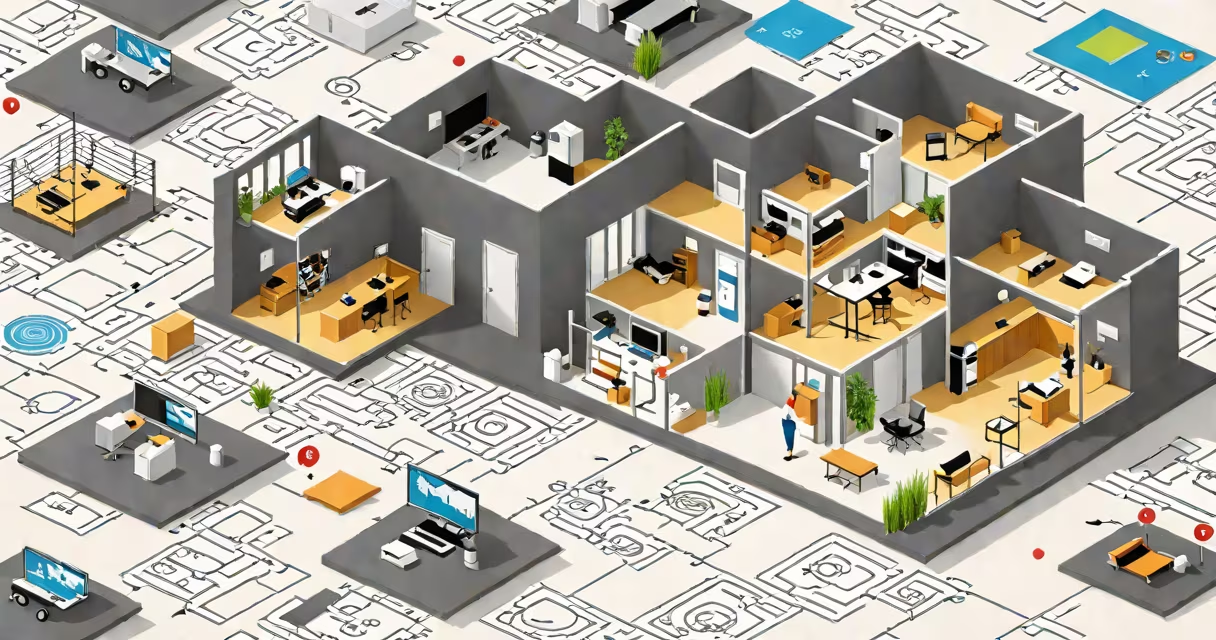
Smart property management uses integrated software platforms and automation tools to simplify rental operations, including rent collection, maintenance tracking, tenant screening, and lease administration. These systems replace manual processes with digital workflows that reduce errors, save time, and improve decision-making for landlords and property managers.
At its core, smart property management relies on cloud-based platforms that centralize all property-related data. Instead of spreadsheets, paper forms, and scattered emails, managers access real-time updates on occupancy status, payment history, repair tickets, and lease expiration dates through a single interface. The system can automatically send reminders for rent due dates, flag late payments, and generate reports on cash flow and occupancy rates.
Smart property management systems operate through a combination of cloud infrastructure, APIs, and embedded automation logic. When a tenant submits a maintenance request via a mobile app, the system logs the issue, assigns it to a vetted vendor based on location and service history, and sends a confirmation to both parties. Once completed, the vendor uploads photos and a completion report, which the manager reviews and approves.
These platforms integrate with external services such as bank payment gateways, credit reporting agencies, and digital signature tools. For instance, when a new tenant signs a lease online, the system verifies their credit score through a third-party API, checks criminal records (where permitted), and generates a legally binding contract using e-signature technology. All documents are stored securely in encrypted cloud storage.
Advanced systems use machine learning to predict vacancy risks. By analyzing historical data on lease renewals, local market trends, and seasonal demand patterns, the software can recommend optimal rent pricing and suggest outreach strategies for tenants nearing lease expiration. A study by the National Multifamily Housing Council found that properties using predictive analytics in their management systems had a 22% higher renewal rate than those relying solely on manual outreach.
Not all smart property management tools offer the same capabilities. They vary by scale, integration depth, and target audience. The following table outlines common tiers:
Many platforms now include mobile apps with offline mode functionality. This allows maintenance staff to log repairs even without internet access. Once connectivity resumes, the data syncs to the central system. This feature proved critical during a power outage in early 2023, when a team in Stone Mountain used the offline mode to document 14 emergency repairs, ensuring no work was lost or duplicated.
Smart property management is often mistaken for simply "using a spreadsheet" or "emailing tenants." That's not accurate. While spreadsheets can track rent, they don't automate tasks, enforce compliance, or provide audit trails. A spreadsheet cannot flag a tenant who missed three consecutive payments or notify a vendor when a water heater fails.
Another misconception is that smart property management requires high technical skill. In reality, most platforms are designed for non-technical users. A landlord in Nashville reported setting up a full system-including tenant portals, automated rent collection, and maintenance tracking-in under two hours using step-by-step guided setup. The interface resembles popular consumer apps like Google Calendar or Apple Messages.
Some assume these tools are only for large investors. But small-scale owners benefit. A 2022 survey by the Urban Institute found that 68% of landlords with fewer than five units reported improved financial control after adopting smart property management software. The average time spent on administrative tasks dropped from 12 hours per month to 3.5 hours.
Consider a 12-unit apartment building in downtown Louisville. Before switching to smart property management, the owner relied on handwritten notes, phone calls, and a shared Google Sheet. Rent collection took two weeks per cycle. Maintenance delays averaged 4.3 days. Tenant turnover was 38% annually.
After implementing a mid-tier platform, the owner saw immediate improvements. Rent collection time dropped to 48 hours. Maintenance response times fell to under 24 hours. The system flagged potential lease renewals 60 days in advance, prompting proactive outreach. Within one year, tenant turnover decreased to 19%, and net operating income increased by 14% due to reduced vacancies and faster collections.
During a storm in October, the system automatically sent weather alerts to tenants and triggered a checklist for flood risk assessment. One unit had minor water damage. The system assigned a plumber within 90 minutes and documented the entire process. The owner later reviewed the incident report and identified a recurring issue with basement drainage-now addressed proactively.
Smart property management is not a luxury. It's a practical upgrade for anyone managing rental assets. It replaces guesswork with data, manual effort with automation, and inconsistency with standardized procedures. As of 2023, 73% of U.S. property managers used at least one digital tool for core operations, according to the National Apartment Association.
When choosing a system, prioritize transparency in fees, clear compliance with Fair Housing and privacy laws, and support for local regulations. Avoid platforms that lock users into long-term contracts or charge hidden fees for basic functions. Always test the customer support responsiveness before committing.
Smart property management transforms how rental properties are run. It's not about replacing people-it's about giving them better tools to manage their responsibilities effectively and efficiently.