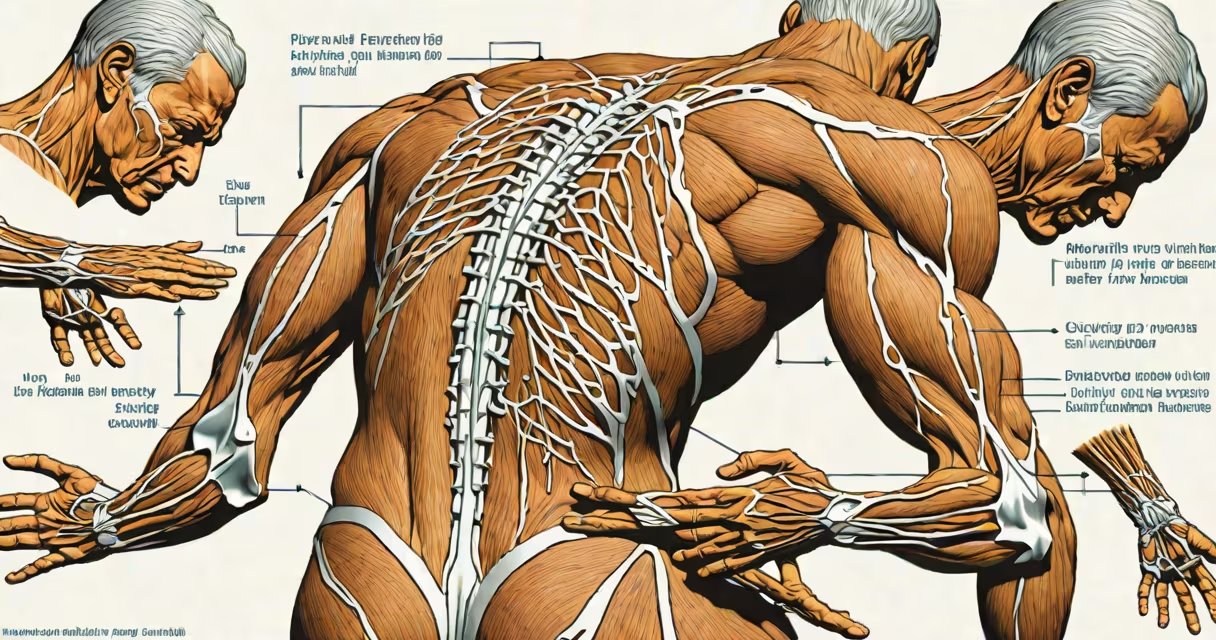
Rhomboid muscle spasms are sudden, involuntary contractions in the rhomboid muscles-located between the spine and shoulder blades-that cause sharp, localized pain in the upper back. These spasms often result from poor posture, repetitive strain, or sudden movements during lifting or reaching.
The rhomboids stabilize the scapula and assist in retracting the shoulder blades. When fatigued or overstretched, they can go into spasm, leading to discomfort that may radiate to the neck or down the arm. Spasms typically last seconds to minutes but can persist if the underlying cause remains unaddressed.
Unlike general muscle soreness, rhomboid spasms are abrupt and intense. They do not resolve with rest alone if the root issue-such as prolonged sitting at a desk or improper ergonomics-is unchanged. Identifying triggers early prevents recurring episodes.
Spasms happen when nerve signals to the rhomboid muscles become misfired due to muscle fatigue, dehydration, or electrolyte imbalance. The muscles contract uncontrollably, causing localized pain and stiffness. This is a protective mechanism meant to prevent further injury, but it can become disruptive.
Prolonged forward head posture-common among office workers-overloads the rhomboids. As the shoulders round forward, the rhomboids shorten and weaken. Over time, this imbalance leads to micro-tears and increased susceptibility to spasm. A 2021 study in the Journal of Orthopaedic & Sports Physical Therapy found that 68% of adults reporting upper back pain had altered scapular positioning linked to muscle imbalances.
Repetitive motions such as typing, using a mouse, or carrying heavy bags on one shoulder also strain the rhomboids. Even sleeping in a position that twists the torso can trigger a spasm overnight. The nervous system interprets these stresses as threats, initiating a protective contraction.
While rhomboid spasms are a single condition, their onset varies based on cause. The most frequent types are:
| Type | Common Cause | Typical Duration | Relief Method |
|---|---|---|---|
| Acute | Sudden movement or lifting | Seconds to minutes | Stretching, heat application |
| Chronic | Poor posture, repetitive strain | Hours to days | Posture correction, physical therapy |
| Nocturnal | Unfavorable sleep position | Minutes to hours | Adjust pillow height, avoid stomach sleeping |
Dehydration and low levels of potassium, magnesium, or calcium can lower the threshold for muscle contraction. A 2020 review in Nutrients noted that individuals with serum magnesium below 0.7 mmol/L were twice as likely to report muscle cramps, including in the upper back region.
One overlooked trigger is emotional stress. Anxiety increases muscle tone throughout the body, including the rhomboids. During high-stress periods, people often clench their jaw and shoulders without awareness-this sustained tension can lead to spasm after several hours of static loading.
Rhomboid muscle spasms are frequently mistaken for heart-related pain. The sensation of tightness or pressure between the shoulder blades can mimic angina. However, cardiac pain typically occurs during exertion, lasts longer than five minutes, and may be accompanied by shortness of breath or nausea. Rhomboid spasms resolve quickly with movement or stretching and are not associated with cardiovascular symptoms.
Another confusion arises with referred pain from the cervical spine. A herniated disc at C5-C6 can irritate nerves that supply the rhomboids, causing pain that feels like a spasm. But this pain persists beyond rest and may include numbness or tingling in the arm. Imaging is required to differentiate between muscular and neurological sources.
A key distinction: rhomboid spasms are localized. They don't cause weakness in the arm or hand. If you lose grip strength or feel pins and needles down your arm, the issue is likely nerve compression-not a muscle spasm.
In my experience working with office professionals, a 34-year-old graphic designer reported waking with severe pain between her shoulder blades. She described a "cramping" sensation that worsened when turning her head. After ruling out cardiac issues via ECG and checking blood work, we identified poor workstation setup as the root cause.
She sat with her monitor too far away, forcing her to lean forward. Her arms hung at 90-degree angles, and she used a standard chair without lumbar support. Over weeks, this posture strained her rhomboids. A single session of targeted stretching reduced the frequency of spasms within three days.
Effective relief includes:
For persistent cases, a physical therapist can assess scapular control and prescribe neuromuscular re-education drills. Research from the British Journal of Sports Medicine shows that patients who completed eight weeks of targeted exercise saw a 76% reduction in recurrent spasms compared to those who only rested.
Seek evaluation if spasms recur daily, last longer than 30 minutes, or interfere with sleep. Red flags include numbness, weakness, or pain that spreads down the arm. These suggest nerve involvement or structural issues like spinal stenosis.
For acute episodes, over-the-counter NSAIDs like ibuprofen reduce inflammation and ease pain. Topical lidocaine patches may provide temporary relief. Avoid massaging the area aggressively-this can increase irritation.
Prevention focuses on consistent posture habits. Set reminders every hour to stand, stretch, and reset your spine. Use a standing desk if possible. Maintain hydration and ensure adequate intake of magnesium-rich foods like spinach, almonds, and black beans.
Understanding rhomboid muscle spasms helps distinguish them from other conditions. Addressing posture, movement patterns, and nutrition reduces recurrence. For ongoing issues, consult a healthcare provider to rule out underlying pathology.