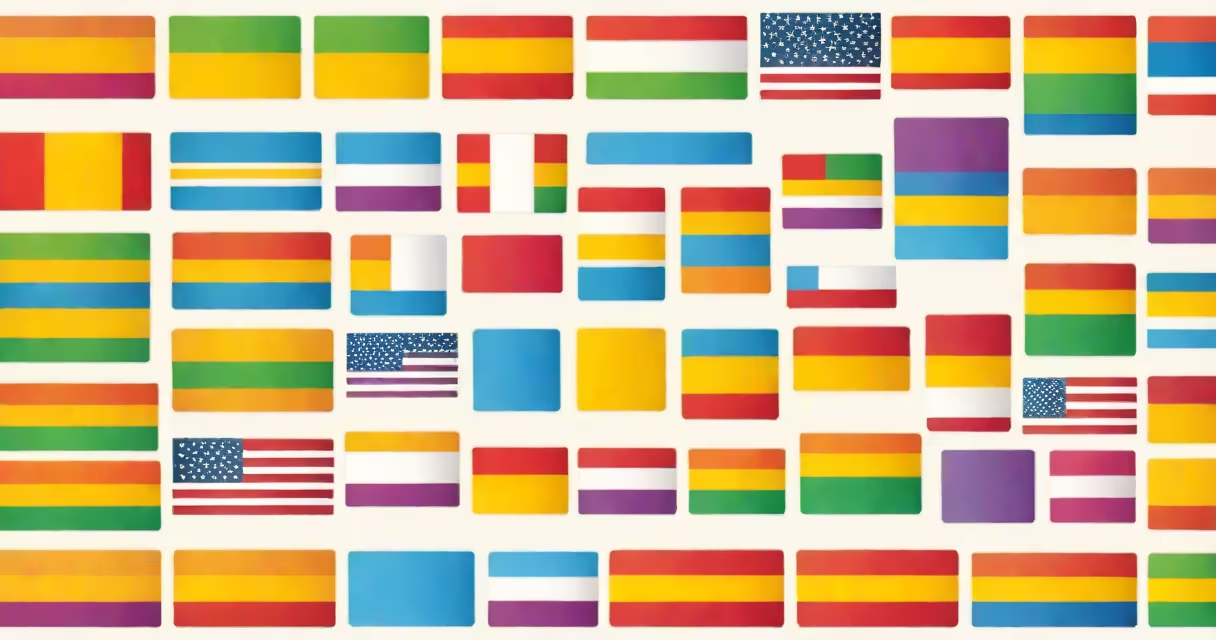
pride flag icons are standardized visual symbols representing distinct identities within the LGBTQ+ community, each with unique colors, patterns, and historical context. They serve as tools for visibility, solidarity, and identity affirmation.
These icons originated in the late 20th century as part of broader efforts to create visible markers for marginalized sexual and gender identities. The most widely recognized is the rainbow flag, designed by Gilbert Baker in 1978. It was created to replace the pink triangle, a symbol associated with Nazi persecution of gay men, with something positive and celebratory. The original version had eight colors-hot pink, red, orange, yellow, green, turquoise, indigo, and violet-each with symbolic meaning. Over time, the design evolved into the six-color version still used today.
Each pride flag icon uses color combinations to convey specific messages. For example, the blue, pink, and white stripes of the transgender flag represent male, female, and non-binary identities respectively. The black and brown stripes in the pansexual flag symbolize attraction to people regardless of gender, while the inclusion of blue, pink, and purple reflects the spectrum of gender and sexuality. These designs are not arbitrary-they emerge from lived experiences and community consensus.
pride flag icons function through consistent color coding and layout. The arrangement of colors and shapes communicates identity, often based on cultural and political history. A flag's design may reflect personal narratives, social movements, or demographic data. For instance, the bisexual flag features pink, purple, and blue-colors chosen to represent attraction to both same and different genders.
When used correctly, pride flag icons reinforce belonging. They appear on clothing, social media profiles, event signage, and public displays. Their presence signals support and recognition. Misuse-such as applying a flag to unrelated contexts or altering its proportions-can dilute meaning or misrepresent communities.
According to the Human Rights Campaign, accurate representation of LGBTQ+ identities through symbols like pride flags helps reduce stigma and improves mental health outcomes. A 2021 study published in the Journal of LGBT Youth found that youth who saw pride flags in school environments reported higher levels of safety and acceptance.
There are over 60 documented pride flag icons, each representing a distinct identity. Below are key examples:
| Flag Name | Colors | Meaning | Origin Year |
|---|---|---|---|
| Rainbow (LGBTQ+) | Red, Orange, Yellow, Green, Turquoise, Violet | Unity across sexual and gender identities | 1978 |
| Transgender | Light Blue, Pink, White | Male, Female, Non-Binary | 1999 |
| Pansexual | Hot Pink, Purple, Electric Blue | Attraction beyond gender | 2010 |
| Asexual | Gray, Black, White | Low or absent sexual attraction | 2010 |
| Nonbinary | Yellow, White, Purple, Black | Gender identities outside the binary | 2014 |
Some flags have evolved. The original asexual flag included a gray stripe with a black circle, symbolizing lack of sexual attraction. In 2018, the design was updated to include a white stripe to represent allosexual allies, reflecting growing inclusivity.
Not all pride flag icons are universally accepted. The bisexual flag, for example, has faced criticism for its use of pink and blue-colors historically linked to gendered stereotypes. Despite this, it remains a widely adopted symbol due to its grassroots adoption and emotional resonance.
pride flag icons appear in public spaces during Pride Month (June), at rallies, in classrooms, and on digital platforms. They are used to show solidarity, celebrate progress, and advocate for rights. Cities like San Francisco and Toronto display pride flags on municipal buildings annually.
Organizations use them in branding. The American Civil Liberties Union (ACLU) includes pride flag icons in campaign materials to signal support for LGBTQ+ rights. In education, schools use them to promote inclusive curricula. A 2022 report from GLSEN found that schools displaying pride flags had lower rates of bullying and higher student well-being scores.
On social media, users apply pride flag icons as profile pictures or in posts. This practice increases visibility and fosters community. However, performative use-such as changing a profile picture for one month without ongoing engagement-can undermine authenticity. According to a 2023 survey by the Williams Institute, 68% of LGBTQ+ respondents felt that such actions were superficial and did not translate into meaningful allyship.
One widespread error is assuming all pride flag icons are interchangeable. The rainbow flag represents the entire LGBTQ+ community, but it does not stand for individual identities. Using it to represent a specific group-like transgender individuals-can erase detailed experiences.
Another misconception is that pride flag icons are solely decorative. They carry legal and social weight. In some countries, displaying certain flags is illegal. In Russia, Ukraine, and parts of Eastern Europe, displaying pride flags can lead to arrest or harassment. Conversely, in nations like Canada and Germany, they are protected under human rights laws.
A lesser-known fact: the original rainbow flag had eight colors. The hot pink and turquoise stripes were removed due to production constraints. Hot pink represented sex, turquoise stood for healing. Their removal simplified manufacturing but reduced symbolic depth. Today, some activists restore the original design in art and protest materials to reclaim lost meaning.
I once attended a Pride parade in Portland where a vendor sold handmade pride flag icons. One customer asked if they could mix colors from different flags. The artist explained that doing so risks creating confusion-using the trans flag's blue and pink with the bisexual flag's purple could imply a false identity. That moment clarified how deeply these symbols are tied to lived reality.
pride flag icons differ from other LGBTQ+ symbols like the pink triangle or the interlocking rings. The pink triangle was co-opted by Nazis to mark gay men. After the Holocaust, it was reclaimed by activists in the 1980s as a protest symbol against AIDS-related stigma. It is not a pride flag icon-it lacks the color-based identity coding that defines pride flags.
The interlocking rings, used in the International Gay and Lesbian Association logo, represent unity but do not denote specific identities. They are not meant to be worn or displayed in the same way as pride flag icons. Pride flags are designed for public visibility and personal expression; other symbols are more institutional.
Using pride flag icons correctly requires understanding context. For example, the lesbian flag features magenta, red, orange, yellow, and white-colors chosen to represent love, identity, and resilience. Its design avoids stereotypical imagery, unlike earlier depictions of lesbians as "butch" or "femme." This shift reflects evolving community standards.