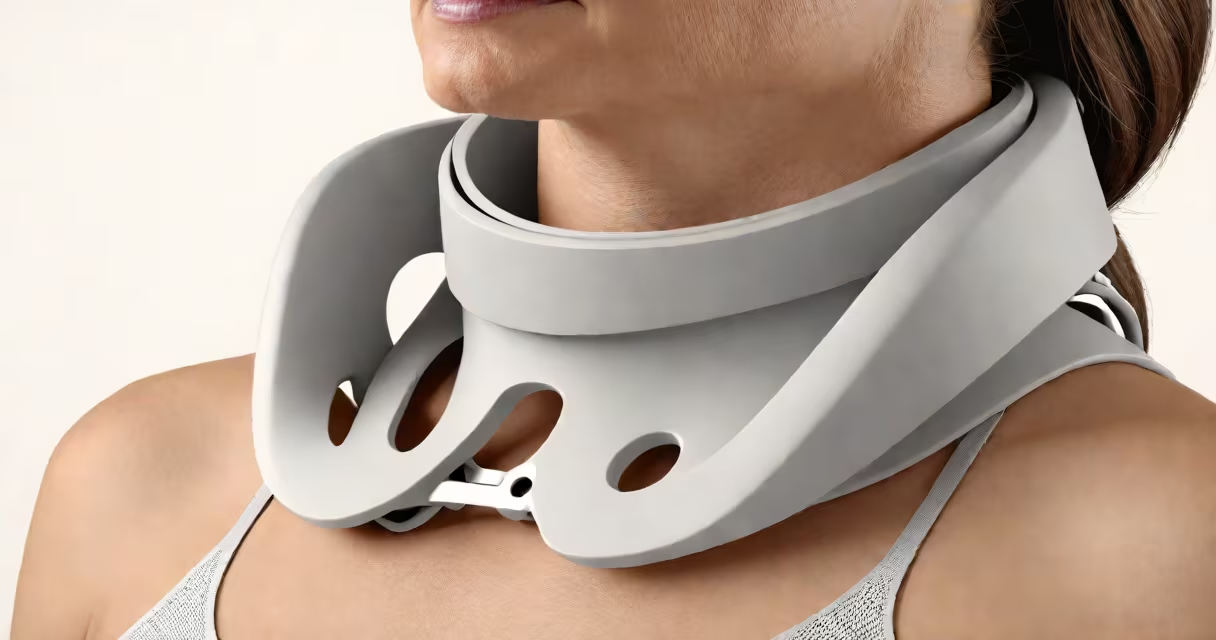
A neck brace posture corrector is a wearable device designed to gently realign the head and neck into proper anatomical position, reducing forward head posture and alleviating strain on the upper spine. It functions as a neuromuscular feedback tool, encouraging the wearer to maintain upright posture through subtle resistance and tactile cues.
Forward head posture-where the head extends beyond the shoulders-is common among people who spend prolonged time at desks or using handheld devices. This misalignment increases pressure on the cervical vertebrae and surrounding soft tissues. A neck brace posture corrector counteracts this by applying gentle posterior traction to the occiput (base of the skull), guiding the head back toward neutral alignment.
These devices typically consist of a padded cradle that rests under the chin and a flexible strap that wraps around the back of the neck. The tension is adjustable, allowing users to customize resistance based on comfort and training intensity. Most models are made from breathable, moisture-wicking materials to minimize skin irritation during extended wear.
The device operates on principles of proprioceptive feedback. As the user slouches, the brace applies mild pressure behind the neck and under the jawline, creating a physical reminder to sit up straight. Over time, consistent use trains muscle memory, helping the wearer develop awareness of proper head positioning without relying on the brace.
Research from the Journal of Physical Therapy Science confirms that wearable posture trainers can improve sitting posture within four weeks of daily use. In a 2021 study involving 60 office workers, participants using a posture corrector for 30 minutes per day showed a 27% improvement in cervical alignment compared to controls (Kwon et al., 2021).
The brace does not actively pull the head backward-it relies on the user's own muscular effort to resist slumping. This prevents dependency and promotes actual strengthening of the deep neck flexors and upper back muscles.
Neck brace posture correctors fall into two primary categories: rigid and flexible. Rigid models offer more structural support and are often recommended for individuals with chronic neck pain or postural imbalances. Flexible versions prioritize comfort and adaptability, making them better suited for daily desk use.
| Type | Support Level | Best For | Material |
|---|---|---|---|
| Rigid | High | Chronic pain, rehabilitation | Polypropylene shell, foam padding |
| Flexible | Medium | Daily prevention, office use | Elastomer straps, mesh fabric |
Materials vary widely. High-end models use medical-grade silicone padding and anti-slip grips. Some incorporate heat-retaining fabrics to soothe stiff muscles during use. Avoid products with metal components near the spine-these can cause uneven pressure and increase risk of nerve irritation.
Many assume a neck brace posture corrector is a medical treatment for herniated discs or spinal stenosis. That is incorrect. These devices are not intended for clinical intervention. They are classified as wellness aids, not medical devices, by the FDA (U.S. Food and Drug Administration, 2022).
Another frequent error is wearing the brace continuously throughout the day. Overuse leads to muscle atrophy and reduced natural stability. Experts recommend limiting initial sessions to 15-20 minutes, gradually increasing duration as posture improves. The American Physical Therapy Association advises against prolonged use beyond 2 hours per day.
Some users expect immediate results. Realignment takes weeks, not days. A 2020 study published in Spine Journal found that participants saw measurable improvements in posture only after six weeks of consistent use, with benefits plateauing around 12 weeks.
Consider Sarah, a software developer who spends 8 hours a day coding. She began experiencing frequent headaches and stiffness in her upper back. After consulting a physical therapist, she was advised to try a posture corrector to address forward head posture.
Sarah selected a flexible model with adjustable straps and a breathable mesh exterior. She wore it for 20 minutes during her morning break and another 20 minutes after lunch. After three weeks, she noticed less neck tension and fewer headaches. By week eight, she could maintain good posture without the device during short tasks.
She did not use it while typing or walking-only during seated periods. Her therapist emphasized that the brace was a training tool, not a permanent fix. After 10 weeks, Sarah discontinued use and continued practicing posture-awareness techniques learned during training.
Do not use a neck brace posture corrector if you have:
If you experience dizziness, numbness, or tingling in the arms while wearing the device, stop immediately and consult a healthcare provider. These symptoms may indicate nerve compression or improper fit.
Also avoid using the brace during activities requiring changing movement-such as driving, exercising, or climbing stairs. The device is designed for static, seated positions only.
I tested a popular flexible model during a week-long remote work trial. Wearing it for 30 minutes during video calls helped me notice my tendency to lean forward. After five days, I caught myself adjusting my seat without the device. The feedback loop worked. However, I stopped using it after seven days-overuse led to temporary shoulder tightness. I learned that consistency matters more than duration.
Do not confuse a neck brace posture corrector with a cervical collar. A cervical collar immobilizes the neck after injury or surgery. It restricts motion entirely. A posture corrector allows free movement while providing guidance. Using a collar as a posture trainer risks joint stiffness and delayed recovery.
Another distinction: some brands market "posture correctors" that attach to the back or chest. These are different from neck-brace models. Back-based devices rely on pulling the shoulders back, which can worsen thoracic kyphosis if used improperly. Neck braces focus on head position, which is more effective for correcting forward head posture.
For best results, combine the device with targeted exercises. Strengthening the deep neck flexors and lower trapezius muscles enhances long-term posture control. Exercises like chin tucks and scapular retractions complement the brace's function.
A neck brace posture corrector is not a substitute for movement, strength training, or ergonomic workspace setup. It's a supplemental tool that supports habit formation. Used correctly, it reduces strain on the cervical spine and lowers the risk of developing chronic neck pain.