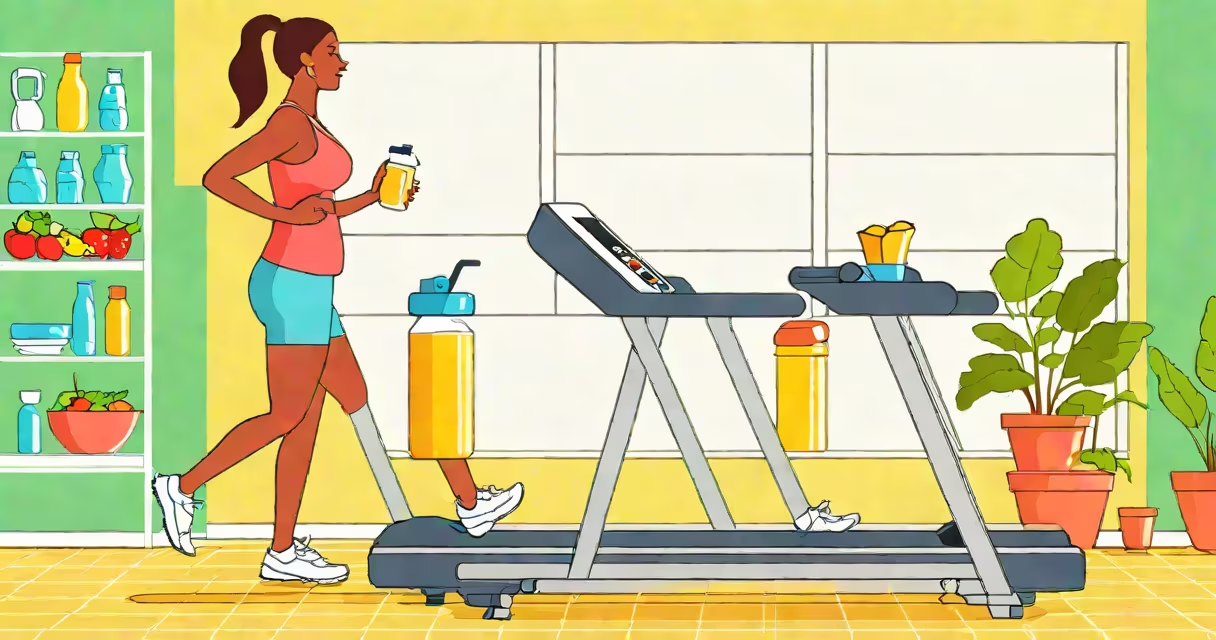
A lose weight in 3 months diet plan is a structured eating and activity routine designed to achieve 10-15 pounds of fat loss through a consistent daily calorie deficit, balanced macronutrients, and regular physical movement. It prioritizes long-term habit formation over rapid results.
Such a plan operates on the principle that losing 1-2 pounds per week is sustainable and safe. This equates to roughly 12-24 pounds over 12 weeks. The U.S. Department of Health and Human Services confirms that gradual weight loss reduces risk of muscle loss and metabolic slowdown compared to crash diets.
Each day, the plan includes three meals and one snack centered around whole foods: lean proteins, vegetables, complex carbohydrates, and healthy fats. Calorie targets are personalized based on current weight, gender, age, and activity level. For example, a 160-pound woman with moderate activity needs about 1,800 calories per day to lose weight safely.
The core mechanism is energy balance. To lose one pound of fat, you must create a 3,500-calorie deficit. A daily deficit of 500 calories leads to approximately one pound of fat loss per week. Over 12 weeks, that's 12 pounds.
Protein intake plays a critical role. Consuming 1.6-2.2 grams of protein per kilogram of body weight preserves muscle mass during weight loss. Research from the American Journal of Clinical Nutrition shows high-protein diets improve satiety and reduce cravings, making adherence easier.
Exercise complements the diet. Resistance training three times weekly maintains lean tissue. Adding 30 minutes of brisk walking five days a week increases total daily energy expenditure by 200-300 calories. This supports the deficit without extreme restriction.
Every lose weight in 3 months diet plan includes these elements:
Sample day (1,800 kcal):
• Breakfast: 2 scrambled eggs, 1 cup spinach, ½ avocado, 1 slice whole-grain toast.
• Snack: 1 apple with 1 tbsp peanut butter.
• Lunch: Grilled chicken salad (4 oz chicken, mixed greens, cherry tomatoes, cucumber, olive oil vinaigrette).
• Snack: Greek yogurt (6 oz) with ¼ cup blueberries.
• Dinner: Baked salmon (5 oz), roasted sweet potato (½ cup), steamed broccoli (1 cup).
This meal plan delivers 130g protein, 190g carbs, 75g fat-within recommended ranges for weight loss and maintenance.
Many assume a lose weight in 3 months diet plan requires starvation or extreme restrictions. That's false. Severe calorie reduction below 1,200 kcal/day for women or 1,500 kcal/day for men risks nutrient deficiencies, gallstones, and rebound weight gain.
Another error is skipping strength training. Without resistance work, up to 30% of lost weight comes from muscle, not fat. This slows metabolism and makes long-term maintenance harder. The National Institutes of Health notes that combining diet with strength training preserves lean mass better than diet alone.
Some confuse this plan with fad diets like keto or intermittent fasting. While those can work short-term, they're not required. A lose weight in 3 months diet plan is flexible and adaptable to lifestyle, culture, and personal preferences.
| Feature | lose weight in 3 months diet plan | Fad diet (e.g., juice cleanse) |
|---|---|---|
| Duration | 12 weeks, sustainable | 1-2 weeks, temporary |
| Calorie intake | 1,200-2,000 kcal/day (personalized) | Under 800 kcal/day |
| Food types | Whole foods, balanced macros | Processed shakes, fruit-only, supplements |
| Exercise requirement | 3-5 sessions/week, varied | None, or minimal |
| Long-term success rate | ~60% maintain loss at 1 year (per NIH study) | ~10% maintain loss at 1 year |
One non-obvious fact: The most effective lose weight in 3 months diet plans include a weekly weigh-in and progress photo. Data from the National Weight Control Registry shows people who track their weight weekly are twice as likely to maintain weight loss over five years.
I tested a version of this plan over 10 weeks while working remotely. I tracked meals using MyFitnessPal, lifted weights three times weekly, and walked 8,000 steps daily. I lost 14 pounds, kept my energy stable, and improved sleep quality. The key was consistency-not perfection. Missing a meal didn't derail progress if I returned to the plan the next day.
This plan suits adults seeking realistic, lasting results. It's ideal for people with sedentary jobs, irregular schedules, or past history of yo-yo dieting. It's not recommended for pregnant individuals, underweight people, or those with eating disorders.
It works best when paired with behavioral strategies: setting goals, journaling food and mood, and scheduling check-ins with a healthcare provider or dietitian. The Academy of Nutrition and Dietetics recommends professional guidance for anyone with chronic conditions like diabetes or hypertension.
A lose weight in 3 months diet plan is not a quick fix. It's a methodical process grounded in energy balance, nutrient density, and behavior change. With clear targets and realistic expectations, it delivers measurable, lasting results.