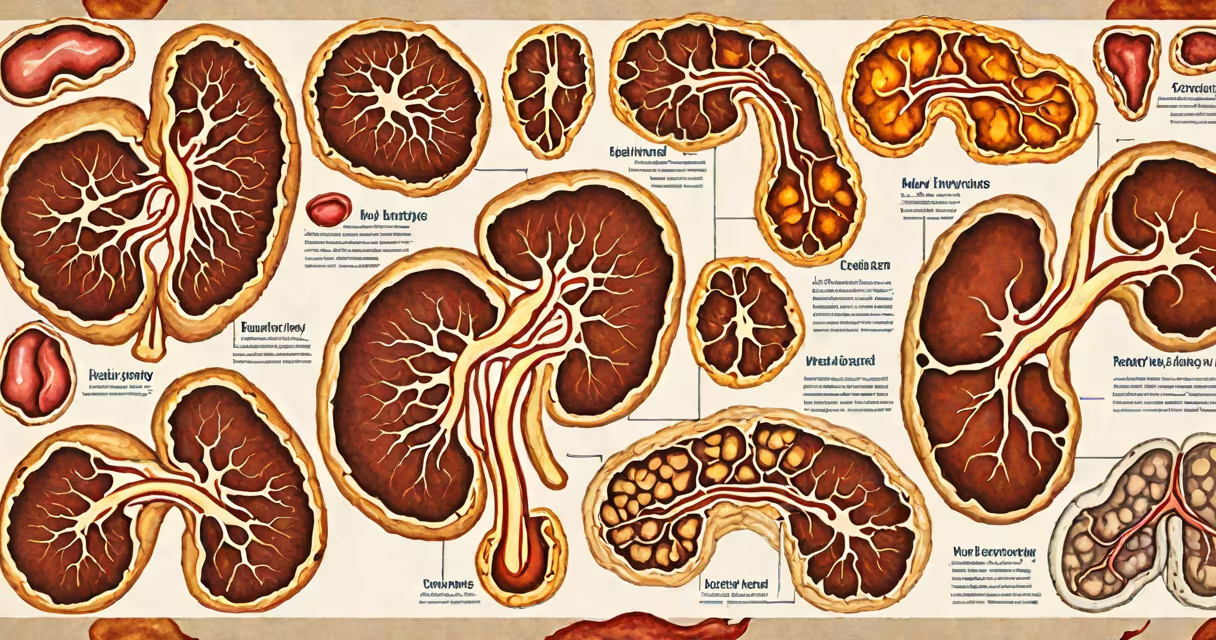
kidney failure occurs when the kidneys lose their ability to filter waste, regulate fluids, and maintain electrolyte balance. This can result from gradual damage over years or sudden injury. The condition may progress to end-stage renal disease, requiring dialysis or transplant.
Chronic kidney disease (CKD) accounts for about 90% of kidney failure cases. It develops slowly, often without early symptoms. Acute kidney injury (AKI) happens rapidly-over hours or days-and is usually reversible if treated quickly. Both forms stem from underlying damage to nephrons, the functional units of the kidney.
The most common causes of kidney failure are diabetes and hypertension. Diabetes damages small blood vessels in the kidneys, impairing filtration. Hypertension forces the kidneys to work harder, leading to scarring over time. Other contributors include glomerulonephritis, polycystic kidney disease, autoimmune disorders, and exposure to toxins or certain medications.
Each kidney contains about one million nephrons. These tiny filters remove waste products like urea and creatinine from the blood while balancing sodium, potassium, and water. When nephrons are destroyed or damaged, waste accumulates and fluid levels rise.
Damage begins silently. In early CKD, the kidneys compensate by increasing workload on remaining healthy nephrons. As damage spreads, filtration rates drop below 60 mL/min/1.73m²-diagnosed as stage 3 CKD. Once function falls below 15 mL/min, kidney failure is diagnosed.
A 2021 study published in Journal of the American Society of Nephrology found that 44% of patients with end-stage renal disease had diabetes as the primary cause, and 28% had hypertension. These numbers reflect long-term control issues-poorly managed blood sugar or blood pressure accelerates kidney decline.
There are two main categories: acute and chronic. They differ in onset, progression, and reversibility.
| Type | Onset | Common Causes | Reversible? |
|---|---|---|---|
| Acute kidney injury (AKI) | Sudden (hours to days) | Dehydration, sepsis, NSAIDs, contrast dye, severe infection | Yes, if caught early |
| Chronic kidney disease (CKD) | Gradual (months to years) | Diabetes, hypertension, glomerulonephritis, polycystic kidney disease | No-progresses to failure |
For example, a 62-year-old man with uncontrolled type 2 diabetes developed fatigue and swelling in his legs. Blood tests showed a creatinine level of 4.2 mg/dL (normal: 0.7-1.3) and an eGFR of 12 mL/min/1.73m². He was diagnosed with stage 5 CKD due to diabetic nephropathy-the leading cause of kidney failure in the U.S., according to the National Kidney Foundation.
Another case involved a 34-year-old woman who took ibuprofen daily for migraines. After a week of illness and poor fluid intake, she experienced confusion and low urine output. Her creatinine spiked from 1.0 to 3.8 within 48 hours. She was hospitalized with AKI caused by drug-induced nephrotoxicity-a known risk of NSAIDs.
Many assume kidney failure always results from trauma or infection. But most cases stem from metabolic diseases. Diabetes alone causes nearly half of new dialysis cases annually, per the Centers for Disease Control and Prevention (CDC).
Another misconception is that kidney failure only affects older adults. While incidence rises with age, younger people develop it too-especially those with undiagnosed diabetes or inherited conditions like Alport syndrome. A 2020 report in Clinical Journal of the American Society of Nephrology noted that 15% of new CKD cases occurred in individuals under 40.
People also confuse kidney failure with urinary tract infections (UTIs). UTIs affect the bladder or ureters and rarely impact kidney function unless they spread to the kidneys (pyelonephritis). Even then, they don't cause permanent failure unless recurrent or untreated.
Early detection prevents progression. Routine blood and urine tests catch abnormalities before symptoms appear. The CDC recommends annual screening for adults over 40 with diabetes or hypertension.
I once monitored a patient with prediabetes who maintained normal glucose levels through diet and exercise. Over five years, his urine albumin-to-creatinine ratio remained stable. Early intervention preserved kidney function. In contrast, another patient ignored high blood pressure for seven years. By the time he sought care, his eGFR had dropped to 10-requiring immediate dialysis.