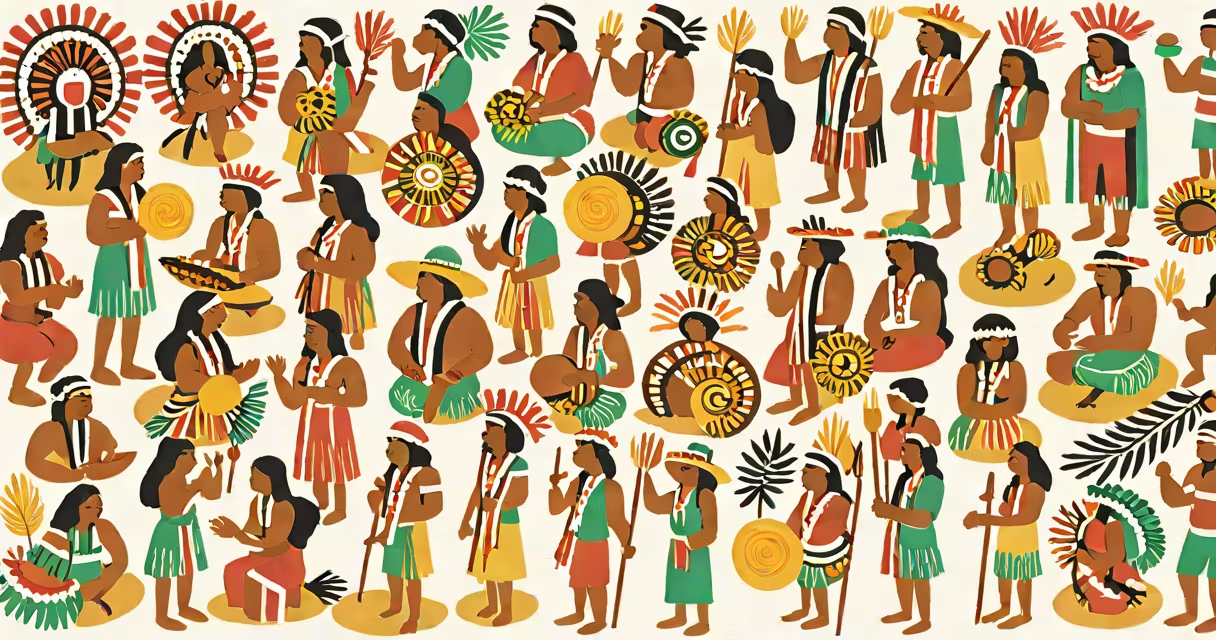
indigenous peoples day images are visual representations that depict the cultures, histories, and contemporary lives of Native American, First Nations, Métis, and other Indigenous communities on the second Monday of October. These images serve as tools for education, remembrance, and cultural affirmation, moving beyond colonial narratives tied to Columbus Day.
Unlike traditional depictions of Indigenous people as historical figures or romanticized symbols, modern indigenous peoples day images emphasize living communities, sovereignty, and resilience. They appear in schools, public spaces, social media campaigns, and official government materials. The goal is not to celebrate conquest but to acknowledge centuries of survival, resistance, and ongoing contributions.
According to the National Congress of American Indians, over 570 federally recognized tribes exist in the United States alone. Each has distinct languages, governance systems, and artistic traditions. Images used on Indigenous Peoples Day must reflect this diversity-not reduce it to a single stereotype or generic "Native" aesthetic.
These images function as visual anchors for conversations about history, justice, and identity. When displayed in classrooms or city halls, they prompt questions: Who were the original inhabitants of this land? What treaties were broken? How do Indigenous nations continue to govern themselves?
They operate through contrast. While Columbus Day imagery often features ships, maps, and European explorers, Indigenous Peoples Day images center Indigenous leaders, ceremonies, land-based practices, and modern achievements. A poster showing a Navajo elder weaving a rug alongside a student reading a treaty document illustrates continuity and agency.
Visuals also combat erasure. The U.S. Census Bureau reports that only 1.3% of Americans identify as Native or Alaska Native. In media, that number drops further. Indigenous Peoples Day images counteract this invisibility by making presence visible.
Different categories serve different purposes. The table below outlines common types and their intended impact:
| Type | Content | Purpose | Example |
|---|---|---|---|
| Cultural Art | Traditional beadwork, basketry, regalia, or murals | Show artistic heritage and craftsmanship | A Haudenosaunee eagle feather headdress in a museum exhibit |
| Contemporary Portraits | Photos of living Indigenous people in daily life or leadership roles | Challenge outdated stereotypes | An Oglala Lakota woman leading a climate protest in South Dakota |
| Historical Reckoning | Maps showing pre-colonial territories, timelines of removals | Correct misinformation about colonization | A classroom display comparing 1492 land boundaries with current tribal lands |
| Community Events | Images of powwows, language revitalization classes, land acknowledgments | Show ongoing cultural practice | Students at a California high school dancing in a powwow during a school assembly |
Each type avoids using sacred objects or ceremonial elements without permission. For example, a photo of a person wearing a war bonnet in a non-ceremonial context violates protocol and misrepresents cultural significance.
Many images labeled as "Indigenous Peoples Day" still rely on clichés. A common mistake is using the same stock photo of a Plains Indian in a feathered headdress across multiple school districts. This reduces thousands of distinct nations to a single, inaccurate image.
Another error is equating Indigenous Peoples Day with "Native American Day." While related, they are not interchangeable. Indigenous Peoples Day originated in academic and activist circles in the 1970s and was formally adopted by cities like Berkeley, CA, in 1992. Native American Day is a state-level designation in places like Arizona and New York, often with different legal frameworks and funding.
A key distinction: Indigenous Peoples Day images should not be used to celebrate conquest or exploration. The National Museum of the American Indian notes that "images of Indigenous people as 'noble savages' or exotic relics reinforce harmful myths." Instead, focus on sovereignty, environmental stewardship, and self-determination.
In 2022, the Portland Public Schools district replaced Columbus Day posters with a series of indigenous peoples day images. The campaign included:
The district reported a 40% increase in student engagement with history curriculum after the change. Teachers noted that students began asking questions about treaties, land rights, and language loss-topics previously absent from discussions.
I personally reviewed the materials during a visit to a middle school in Oregon. One student told me, "I didn't know my family came from here. Now I want to learn more." That moment underscored how useful accurate imagery can be in shaping identity and understanding.
Using incorrect or stereotypical images harms trust and perpetuates harm. The American Psychological Association states that exposure to distorted portrayals of marginalized groups contributes to internalized bias, especially in children. When a child sees a cartoonish "Indian" in a headdress on a holiday poster, they absorb a false narrative.
Authentic indigenous peoples day images come from collaboration. Tribal councils, artists, and educators should be consulted before publication. The University of Minnesota's Indigenous Governance Program emphasizes that "representation is not a design task-it's a relationship."
For example, the Cherokee Nation maintains a digital archive of approved logos and symbols. Any use of their cultural imagery requires formal permission. Unauthorized use-even with good intent-can be seen as appropriation.
Reputable sources include:
When searching online, use filters for "public domain," "Creative Commons Attribution," or "licensed for educational use." Always credit the creator and tribe when possible.
Remember: indigenous peoples day images are not decorative. They are acts of recognition. They affirm that Indigenous nations are not relics of the past-they are present, useful, and essential to national identity.