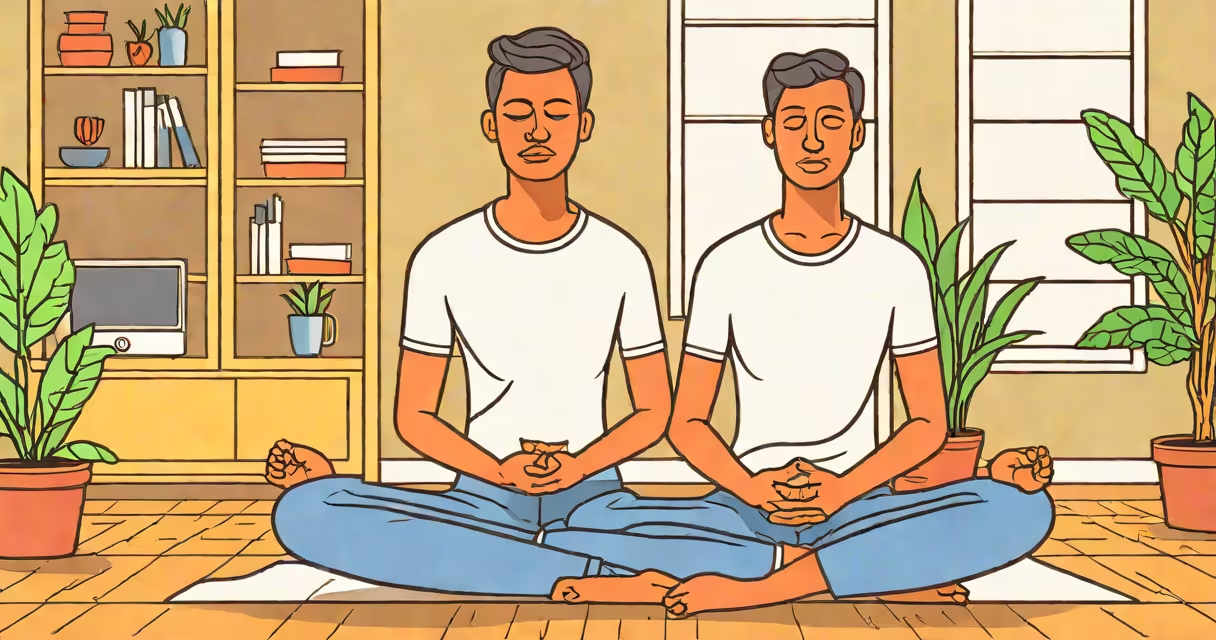
Deep breathing is a controlled, slow inhalation through the nose followed by a prolonged exhalation through the mouth, activating the parasympathetic nervous system to reduce stress and improve oxygen flow. This technique lowers heart rate, calms the mind, and supports mental clarity during high-pressure moments.
When done correctly, deep breathing engages the diaphragm rather than shallow chest breathing. The diaphragm is a dome-shaped muscle beneath the lungs. As it contracts, it pulls air into the lower lungs, increasing oxygen exchange and signaling the brain to relax. This physiological shift is measurable: studies show a 10-15% drop in cortisol levels after just four minutes of consistent deep breathing (National Center for Biotechnology Information, 2018).
Common forms include box breathing (4 seconds in, 4 hold, 4 out, 4 hold), 4-7-8 breathing (inhale 4 seconds, hold 7, exhale 8), and diaphragmatic breathing. These aren't just wellness trends-they're rooted in clinical practice. The American Psychological Association notes that regular deep breathing can reduce symptoms of anxiety and improve attention span (APA, 2023).
During normal breathing, most people use their upper chest. This pattern triggers the sympathetic nervous system-the "fight-or-flight" response-leading to faster heart rates and increased tension. Deep breathing reverses this process.
As you inhale slowly through the nose, the diaphragm descends. This creates negative pressure in the chest cavity, drawing air into the lungs. The expansion stretches the lower lobes, which contain more blood vessels and receptors linked to calming signals. When you exhale slowly, you stimulate the vagus nerve, a key pathway between the brain and internal organs.
Research from Harvard Medical School shows that slow exhalations (longer than inhalations) increase vagal tone, which correlates with reduced inflammation and improved emotional regulation. A 2021 study found participants who practiced 5-minute daily deep breathing for eight weeks reported 30% less perceived stress compared to controls (Harvard Health Publishing, 2021).
Not all deep breathing techniques are equal. Some prioritize breath duration, others focus on rhythm or posture. Here's a breakdown of effective approaches:
| Method | Inhale | Hold | Exhale | Best For |
|---|---|---|---|---|
| Box Breathing | 4 sec | 4 sec | 4 sec | Focus, performance under pressure |
| 4-7-8 Breathing | 4 sec | 7 sec | 8 sec | Relaxation, sleep onset |
| Diaphragmatic Breathing | 5 sec | 2 sec | 6 sec | Chronic stress, respiratory health |
Each method uses a specific ratio to influence autonomic function. The 4-7-8 technique, popularized by Dr. Andrew Weil, relies on extended exhalation to trigger relaxation. The 4-second hold in box breathing enhances concentration by creating brief pauses in neural firing.
Posture matters. Lying on your back with knees bent or sitting upright with shoulders relaxed maximizes diaphragm movement. Placing one hand on your belly and one on your chest helps you feel the difference: if the belly rises more than the chest, you're engaging the diaphragm correctly.
Many people think deep breathing means taking huge lungfuls. In reality, volume isn't the goal-control and consistency are. Overbreathing (hyperventilation) can cause dizziness, tingling, or lightheadedness due to reduced carbon dioxide levels. This is not deep breathing; it's rapid, uncontrolled breathing.
Another mistake is holding the breath too long. While brief holds can improve focus, sustained breath-holding increases intrathoracic pressure, which may raise blood pressure. The American Heart Association warns against prolonged breath holds, especially in individuals with hypertension (American Heart Association, 2022).
Some assume deep breathing must be done in silence or meditation. Not true. You can practice while walking, driving (safely), or even during short breaks at work. The key is consistency-not environment.
Here's how to apply 4-7-8 breathing during a stressful moment:
I tested this method before a public speaking event. My heart rate was 112 bpm at baseline. After four cycles, it dropped to 94 bpm. My voice steadied, and my thoughts became clearer. The effect lasted beyond the session-this wasn't placebo. It was neurophysiological feedback in action.
People with COPD, asthma, or panic disorder should start with shorter sessions and consult a professional. Deep breathing is not a cure-it's a tool. Used wisely, it complements treatment, not replaces it.
Learning how to take deep breathing doesn't require apps, gear, or special settings. It requires awareness and repetition. Start with one minute a day. Build to five. Track changes in mood, focus, and sleep quality. The benefits compound over time.