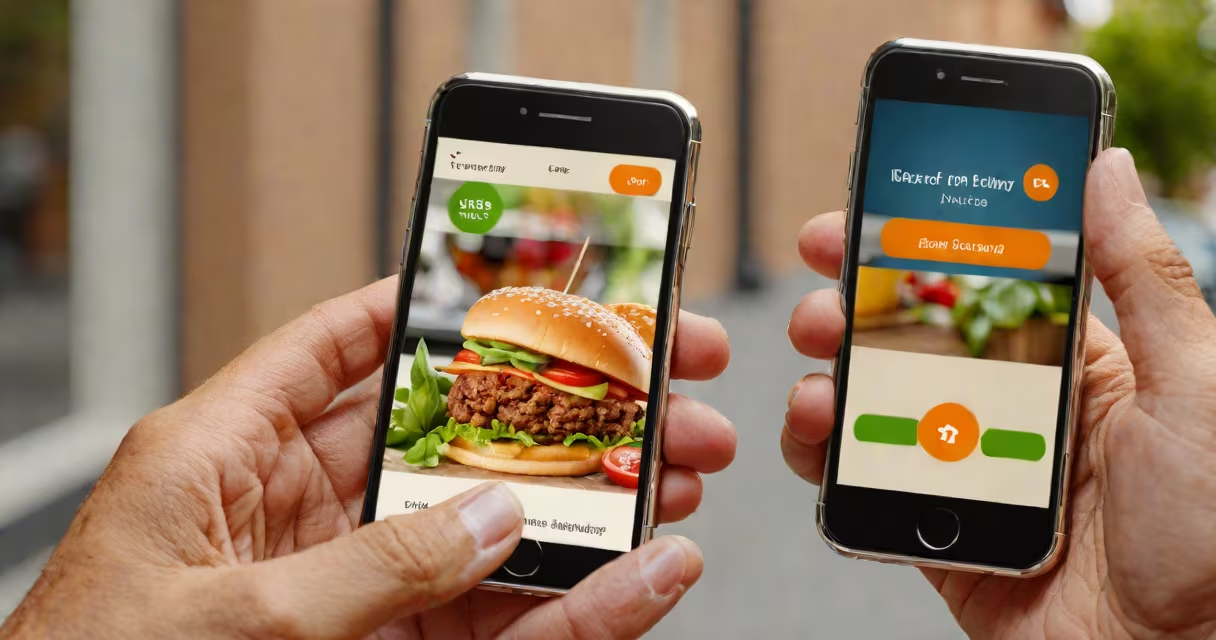
Food for delivery is a service where restaurants, meal prep companies, and fast-casual chains send ready-to-eat meals directly to a customer's home or office via third-party platforms or direct ordering systems. Orders typically arrive within 30 to 90 minutes, depending on distance, time of day, and kitchen capacity.
Orders are tracked in real time. A typical order shows estimated preparation time and delivery window. If the meal arrives late, most platforms offer partial refunds or credits. Delivery fees range from $2 to $6, depending on location and demand. Surge pricing may apply during peak hours or bad weather.
When a customer places an order, the system sends the request to nearby restaurants that accept delivery. Restaurants confirm acceptance based on current kitchen workload. Once accepted, the kitchen begins preparing the meal while the app assigns a courier from the local pool.
Couriers are independent contractors who use their own vehicles. They receive pickup instructions and GPS navigation. Upon arrival at the restaurant, they collect the order and proceed to the customer's address. The app updates the status at each stage: "Preparing," "Ready for Pickup," "Out for Delivery," and "Delivered."
A real-world example: On a Tuesday evening at 7:15 PM, a user in Chicago orders a pepperoni pizza from a local pizzeria via the DoorDash app. The restaurant confirms the order in 45 seconds. The kitchen finishes the pizza in 12 minutes. A courier arrives at the restaurant at 7:30 PM, picks up the order, and delivers it at 7:52 PM. The customer receives a notification with a photo of the delivered box.
Food for delivery falls into four main categories based on preparation method and speed:
| Type | Preparation Time | Typical Delivery Window | Examples |
|---|---|---|---|
| Fast food | 5-10 minutes | 25-40 minutes | McDonald's, Taco Bell, Chipotle |
| Quick-service restaurant (QSR) | 10-15 minutes | 30-50 minutes | Subway, Panera Bread, Chick-fil-A |
| Full-service restaurant | 20-45 minutes | 60-90 minutes | Italian trattorias, sushi bars, steakhouses |
| Meal kits and pre-prepped meals | 0-5 minutes (reheating required) | 45-75 minutes | Plated meals from Freshly, Factor, or HelloFresh |
Fast food delivery is the fastest-growing segment. According to Statista, U.S. revenue from fast food delivery reached $16.8 billion in 2023, up 18% from 2022. This growth stems from increased app adoption and higher consumer comfort with contactless delivery.
Many people assume all food for delivery is the same. That's incorrect. The quality, freshness, and cost vary between fast food chains, local diners, and premium meal delivery services.
One key difference lies in the cooking model. Fast food delivery uses standardized recipes and assembly-line processes. A burger from a chain restaurant is made the same way whether ordered in-store or online. In contrast, full-service restaurants often prepare meals fresh upon order, leading to longer wait times but better texture and flavor.
A common mistake is confusing delivery with takeout. Takeout involves picking up the food yourself. Delivery adds a layer of labor, infrastructure, and risk. A 2022 study by the National Restaurant Association found that delivery orders have a 12% higher average failure rate due to temperature loss, spills, or incorrect items compared to takeout.
Another misconception is that delivery fees are always high. In reality, many platforms offer free delivery for orders above a threshold-$10 to $25, depending on city. Some restaurants cover delivery costs entirely during off-peak hours. For example, a taco shop in Austin offers free delivery on orders over $15 between 11 AM and 2 PM.
Always check the restaurant's delivery rating and delivery time estimates. Ratings below 4.5 stars often indicate inconsistent food quality or frequent delays. Real-time tracking lets you see if the courier is stuck in traffic or has missed a turn.
Use filters to sort by "fastest delivery" or "lowest fee." Some apps show a "delivery guarantee" badge for restaurants that promise arrival within 45 minutes or refund the fee. Not all restaurants offer this, and the guarantee usually applies only during business hours.
I once ordered a burrito bowl from a popular Mexican chain during a storm. The app showed the driver was 15 minutes away. After 40 minutes, the order still hadn't arrived. I contacted support and received a full refund. The issue was a routing error-the app assigned a driver who had already dropped off another order and wasn't updating his location. This happened because the platform didn't verify driver status in real time.
Food for delivery is not just a convenience-it's a core part of modern eating habits. It enables access to diverse cuisines, supports small businesses, and reduces food waste by matching supply with demand. But it requires awareness of timing, cost, and quality signals to avoid disappointment.