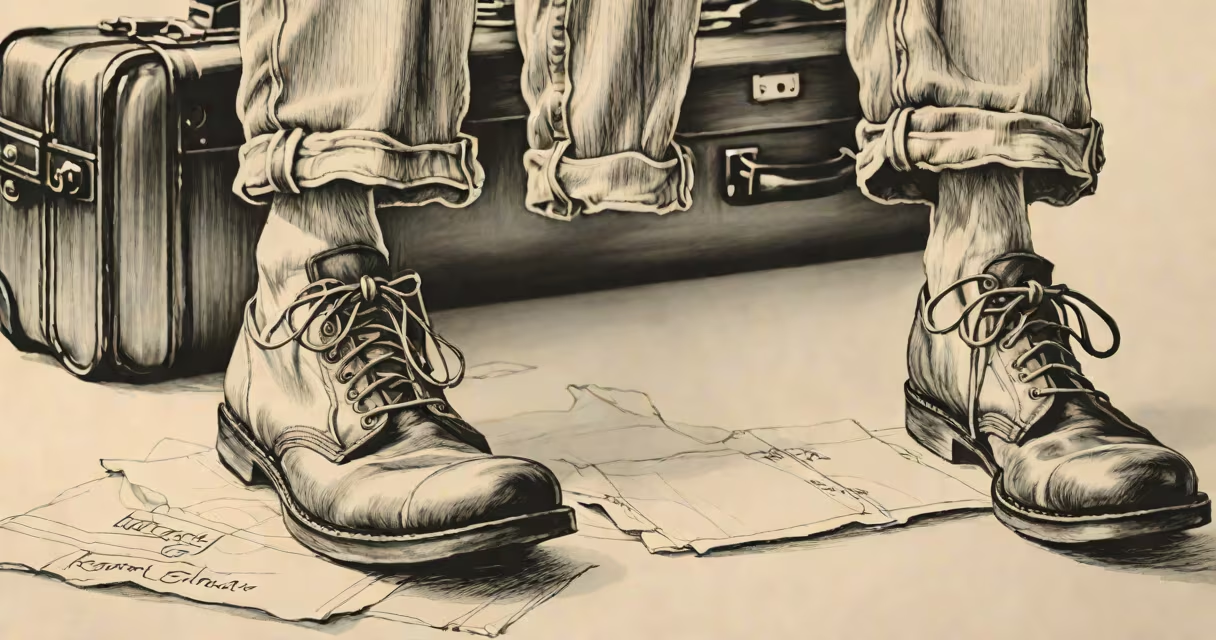
Feet swell when traveling due to fluid retention caused by extended sitting, reduced blood flow, and changes in cabin pressure during air travel. This condition affects many people on long flights or road trips and results from gravity pulling fluids into the lower limbs.
During travel, especially on flights lasting four hours or longer, the body's circulatory system slows. Sitting still for hours prevents calf muscles from contracting, which normally helps pump blood back toward the heart. Without this muscle pump action, fluid accumulates in the feet and ankles. The effect is worsened by low humidity and decreased oxygen levels in airplane cabins, both of which contribute to mild dehydration and vascular constriction.
A 2021 study published in The Journal of Travel Medicine found that 68% of passengers on flights over six hours reported some degree of leg or foot swelling. The study noted that individuals with preexisting venous insufficiency were twice as likely to experience significant swelling compared to those without. Compression socks reduced swelling by 42% in participants who wore them throughout the flight.
Swelling occurs when capillaries leak fluid into surrounding tissues. Normally, the lymphatic system removes excess fluid. But when movement is limited, the lymphatic system cannot keep up. Fluid pools in the feet and ankles because they are the lowest point in the body when seated.
For example, a passenger flying from New York to Tokyo spends 14 hours in a seat. Their legs remain immobile for most of that time. Blood vessels dilate slightly due to low cabin pressure, increasing permeability. Fluid seeps into the interstitial space-between cells-and causes visible puffiness. The swelling typically resolves within 24 hours after standing and walking.
Swelling is not always harmless. Persistent or painful swelling may indicate deeper issues such as deep vein thrombosis (DVT), a blood clot that forms in a deep vein. The CDC reports that DVT risk increases by 2.5 times during long-haul flights, particularly in travelers with risk factors like obesity, recent surgery, or hormonal contraceptive use.
Not all swelling during travel is the same. The cause and severity vary based on duration, activity level, and individual health.
| Type | Duration | Common Causes | Typical Resolution Time |
|---|---|---|---|
| Transient swelling | Under 6 hours | Sitting in a car, short flight | Minutes to 1 hour after moving |
| Travel-induced edema | 6-12 hours | Long flights, road trips | 12-24 hours |
| Persistent swelling | Over 24 hours | Preexisting conditions, DVT risk | Requires medical evaluation |
Transient swelling is normal and reversible. Travel-induced edema is common but manageable. Persistent swelling-especially if one foot swells more than the other, or if pain, redness, or warmth develops-requires prompt attention. These symptoms may signal a clot or infection.
Many assume that drinking water during a flight worsens swelling. In reality, staying hydrated improves circulation and reduces blood viscosity, lowering clot risk. Dehydration thickens blood and increases the chance of clots. The American College of Sports Medicine recommends drinking 150 mL of water per hour during long flights to maintain hydration.
Another misconception is that compression socks are only for older adults. They benefit anyone who sits for long periods. A 2019 randomized trial in Clinical Interventions in Aging showed that healthy adults aged 25-50 wearing graduated compression socks (15-20 mmHg) had 37% less ankle circumference increase after a 7-hour flight compared to controls.
I once flew from Seattle to Sydney with a pair of 20 mmHg compression socks. My feet remained flat and comfortable. When I removed them after landing, my ankles were visibly smaller than before takeoff. That experience confirmed what research shows: consistent pressure aids venous return.
Simple actions reduce swelling during travel. Stand and walk every 30 minutes. Flex and point your toes while seated. Avoid tight clothing around the waist and legs. Wear loose-fitting shoes or go barefoot in the cabin.
Compression socks are the most effective preventive tool. Choose socks with 15-20 mmHg pressure. Look for smooth construction and breathable fabric. Wearing them from departure to arrival minimizes fluid accumulation. A 2022 review in Phlebology concluded that compression garments reduced travel-related edema by up to 50% across multiple studies.
Limit alcohol and salt intake before and during travel. Both promote fluid retention. Avoid crossing legs, which compresses veins and restricts blood flow. Improve your feet when possible-use a pillow or footrest.
Understanding why feet swell when traveling helps travelers make informed choices. The condition stems from physiology, not poor habits. With proper preparation, discomfort can be avoided. Staying active, hydrated, and using compression gear makes long journeys safer and more comfortable.