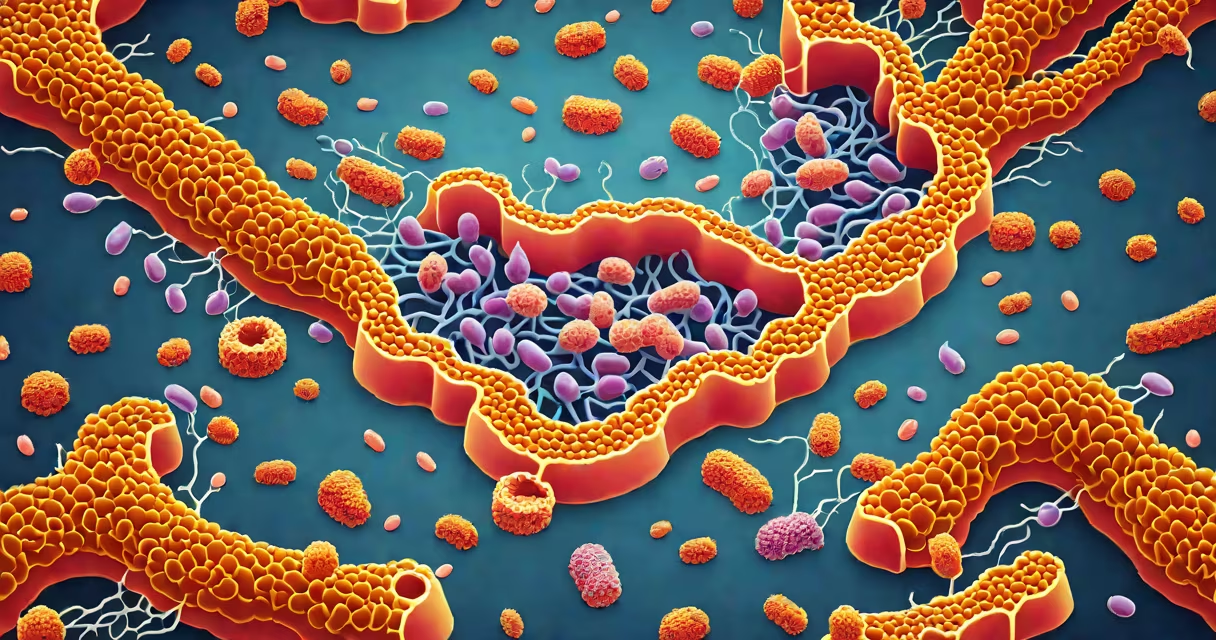
Chronic gut inflammation is a prolonged, abnormal immune reaction in the gastrointestinal tract that damages intestinal tissue, disrupts barrier function, and contributes to conditions like Crohn's disease, ulcerative colitis, and functional gastrointestinal disorders. It arises from persistent exposure to triggers such as poor diet, microbial imbalances, and autoimmune responses.
This condition differs from acute inflammation, which resolves quickly after injury or infection. Chronic gut inflammation fails to resolve, leading to ongoing tissue damage, altered motility, and systemic effects. The American Gastroenterological Association notes that unresolved inflammation in the gut correlates with increased risk of colorectal cancer and metabolic syndrome.
Unlike temporary bloating or discomfort, chronic gut inflammation involves measurable immune activation. Blood tests may show elevated C-reactive protein (CRP) or erythrocyte sedimentation rate (ESR), while endoscopy reveals redness, ulcers, or thickened mucosa. A biopsy can confirm infiltrates of lymphocytes and plasma cells-hallmarks of sustained immune activity.
The gut lining acts as a selective barrier between ingested material and the bloodstream. When this barrier weakens-due to stress, antibiotics, or high sugar intake-undigested proteins and bacterial fragments can cross into the underlying tissue. This breach activates immune cells like dendritic cells and macrophages, initiating a cascade of pro-inflammatory cytokines including TNF-alpha, IL-1β, and IL-6.
Once activated, the immune system fails to switch off. Regulatory T cells, which normally suppress excessive responses, become dysfunctional. This loss of control allows inflammation to persist even in the absence of a clear pathogen. Research from the National Institutes of Health shows that patients with chronic gut inflammation often have reduced levels of anti-inflammatory IL-10.
A key factor is dysbiosis-the imbalance of gut microbes. An overgrowth of pathobionts like adherent-invasive Escherichia coli (AIEC) has been isolated in ileal tissues of Crohn's patients. These bacteria invade epithelial cells and trigger NF-kB signaling, perpetuating inflammation. Conversely, beneficial species like Faecalibacterium prausnitzii, known for producing anti-inflammatory butyrate, are depleted in many individuals with chronic gut inflammation.
While chronic gut inflammation is not a single diagnosis, it manifests in several distinct clinical patterns:
| Type | Key Features | Common Triggers |
|---|---|---|
| Crohn's disease | Transmural inflammation, skip lesions, granulomas | Genetic predisposition (NOD2 mutations), smoking, Western diet |
| Ulcerative colitis | Continuous mucosal inflammation, rectal involvement | Autoimmune targeting of colonic epithelium, antibiotic use |
| Non-specific inflammatory bowel disease (IBD-U) | Chronic symptoms without definitive histology | Dietary sensitivities, food additives, low fiber intake |
| Functional GI disorders with inflammation | Normal endoscopy but elevated calprotectin | Stress, small intestinal bacterial overgrowth (SIBO), gluten sensitivity |
Some individuals meet criteria for chronic gut inflammation based on biomarkers but lack visible endoscopic changes. Fecal calprotectin-a protein released by activated neutrophils-can detect inflammation even when imaging appears normal. Levels above 50 µg/g indicate significant intestinal immune activity.
One overlooked cause is food additive-induced inflammation. A 2022 study published in Nature found that emulsifiers like polysorbate-80 and carboxymethylcellulose alter mucus layer integrity and promote bacterial encroachment into the epithelium. Mice fed these substances developed spontaneous colitis, highlighting their role in human disease progression.
Many assume chronic gut inflammation is synonymous with irritable bowel syndrome (IBS). While both involve abdominal pain and altered bowel habits, IBS lacks objective markers of inflammation. A 2021 review in Gastroenterology confirmed that IBS patients typically show normal calprotectin levels and no histologic evidence of immune cell infiltration.
Another myth is that all gut inflammation stems from infections. While pathogens like Salmonella or Clostridioides difficile can initiate acute inflammation, chronic forms are rarely infectious in origin. Instead, they result from host genetics, environmental exposures, and immune dysregulation.
Some believe eliminating all "bad" foods cures chronic gut inflammation. In reality, complete elimination diets often worsen outcomes by reducing microbial diversity. A 2023 trial in Cell Host & Microbe showed that participants who removed all processed foods and added high-fiber plant-based meals saw improved symptoms-but only when fiber was introduced gradually. Sudden restriction led to increased gut permeability and symptom rebound.
A 34-year-old woman presented with six months of daily diarrhea, fatigue, and unintentional weight loss. Colonoscopy revealed patchy erythema and friable mucosa in the terminal ileum. Biopsy showed dense CD3+ T-cell infiltration and crypt abscesses. Calprotectin was 180 µg/g-well above the threshold for active inflammation.
She had no family history of IBD but reported frequent consumption of ultra-processed meals, daily caffeine, and intermittent fasting. Stool testing detected low levels of Bifidobacterium and elevated Enterobacteriaceae. After discontinuing processed foods and adding fermented vegetables, her symptoms improved within eight weeks. Her follow-up calprotectin dropped to 32 µg/g.
This case illustrates that chronic gut inflammation is not always genetic. Environmental drivers-especially diet-play a central role. The improvement wasn't due to medication but to restoring microbial balance and reducing immune triggers.
If you suspect chronic gut inflammation, consult a gastroenterologist. Testing includes fecal calprotectin, blood markers (CRP, albumin), and endoscopy with biopsy. Avoid self-diagnosis based on online symptom checklists.
Chronic gut inflammation is not inevitable. With early detection and targeted intervention, remission is achievable. The goal is not suppression but restoration of immune tolerance and gut barrier integrity.