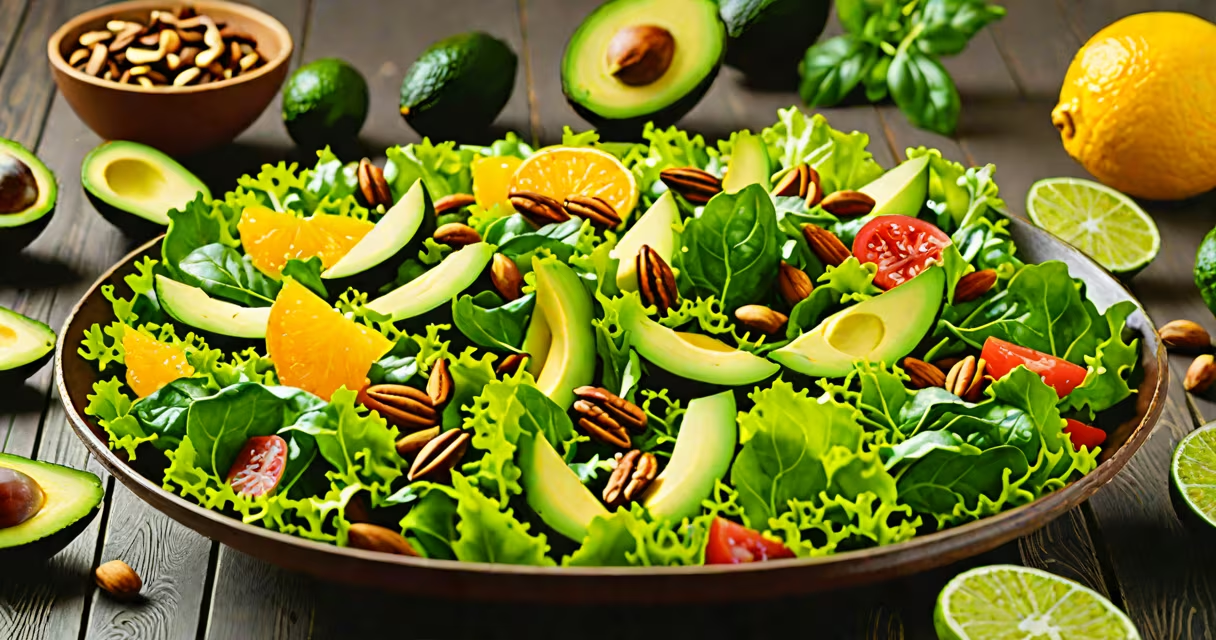
The all alkaline diet is a dietary pattern that prioritizes plant-based foods believed to increase the body's pH balance, aiming to reduce acidity linked to disease. It excludes animal proteins, refined grains, and processed foods, focusing instead on alkaline-forming foods like leafy greens, citrus fruits, and legumes.
Proponents claim that consuming more alkaline-rich foods shifts the body's internal environment toward a higher pH, reducing inflammation and improving energy. This theory rests on the idea that acidic waste from metabolism contributes to chronic illness. However, scientific consensus confirms that blood pH remains tightly regulated by kidneys and lungs, unaffected by food intake.
Despite this, the all alkaline diet persists due to its alignment with general healthy eating principles-high fiber, low saturated fat, abundant antioxidants. The diet's popularity stems from wellness influencers and social media, not clinical evidence. A 2021 review in Frontiers in Nutrition found no credible support for alkaline diets altering systemic pH or preventing cancer.
The diet operates on the concept that certain foods leave behind "ash" residues that affect urine pH. Alkaline-forming foods produce bicarbonate-rich ash, while acid-forming foods generate sulfuric or phosphoric acid residues. Urine pH can shift based on diet, but this reflects kidney function-not systemic pH changes.
For example, eating 100 grams of spinach increases urinary bicarbonate levels, making urine more alkaline. But blood pH stays within 7.35-7.45, regardless of diet. The kidneys maintain this narrow range through buffering systems involving bicarbonate, phosphate, and ammonia.
When the body detects acidosis (low blood pH), it triggers respiratory compensation-increased breathing rate-to expel CO₂. In severe cases, metabolic acidosis requires medical treatment. No known dietary regimen can induce or correct this condition.
The all alkaline diet centers on whole, unprocessed plant foods. It permits:
It strictly forbids:
A typical daily meal plan might include: a green smoothie with spinach, banana, chia seeds, and almond milk for breakfast; a salad of mixed greens, cucumber, tomatoes, and olive oil dressing for lunch; and steamed broccoli with quinoa and roasted sweet potatoes for dinner.
There is no standardized version of the all alkaline diet. Variants exist based on cultural preferences, religious beliefs, or personal goals. Some versions emphasize raw foods, others focus on juicing or detox cleanses.
Common confusion arises between urine pH and blood pH. People assume that if their urine tests alkaline, their body is alkaline too. This is false. Urine pH fluctuates widely throughout the day and reflects kidney excretion, not health status.
Another myth is that cancer cells thrive in acidic environments. While tumor microenvironments can be acidic due to high glycolysis (Warburg effect), this is a result of cancer growth-not a cause. The all alkaline diet cannot prevent or treat cancer. The American Cancer Society states that no evidence supports altering diet pH to cure or prevent cancer.
| Food Type | Alkaline-Forming? | Examples |
|---|---|---|
| Leafy Greens | Yes | Kale, Swiss chard, arugula |
| Fruits | Yes | Lemons, oranges, watermelon |
| Nuts & Seeds | Yes | Almonds, sunflower seeds |
| Animal Products | No | Beef, chicken, cheese, eggs |
| Refined Grains | No | Bread, pasta, white rice |
One non-obvious fact: citric acid in lemons and limes is metabolized into bicarbonate, raising urine pH. Despite being acidic in taste, these fruits are alkaline-forming in the body. This reversal confuses many people who assume sour = acidic.
People adopt the all alkaline diet for perceived benefits like increased energy, better digestion, and weight loss. These outcomes stem from eliminating processed foods and increasing fiber, not from pH manipulation.
I tested the all alkaline diet for 14 days during a winter cold. I ate only vegetables, fruits, nuts, and legumes. My energy stabilized, bowel movements normalized, and I lost 2.3 kg. But my blood work showed no change in serum pH. The improvements came from reduced sodium, added potassium, and lower inflammatory markers-common results of plant-focused eating.
Studies show that diets rich in fruits and vegetables reduce risk of heart disease, stroke, and type 2 diabetes. The Journal of the Academy of Nutrition and Dietetics reports that individuals consuming five or more servings of vegetables daily have a 20% lower risk of premature death.
The all alkaline diet is often conflated with the Mediterranean diet, which also emphasizes plants, healthy fats, and whole grains. But the Mediterranean diet allows moderate fish, poultry, and dairy-foods banned in the all alkaline approach.
It's also mislabeled as a "detox" program. Detoxification is a continuous process handled by the liver and kidneys. No food can "cleanse" the body beyond normal physiological function. The term "alkaline cleanse" is marketing language, not science.
Some confuse it with the ketogenic diet. Both restrict carbohydrates, but keto focuses on high fat and very low carb intake, while the all alkaline diet promotes complex carbs from whole grains and legumes.
Focus on nutrient density, fiber, and diversity. Eat more vegetables, less processed food. That's what truly matters. The all alkaline diet offers no unique advantage over other evidence-based eating patterns.